
 •
Rating:
•
Rating:
THE REVIEW
Coal Chamber can, in a sense, be considered the purists of nu metal: throughout their rather brief and tumultuous career, they released only three official albums and never showed any ignoble tendencies towards easy listening, not even when nu metal was a genre of mass consumption. It's also for this reason that their success never matched that of other representative names or even undeserving clones of the genre.
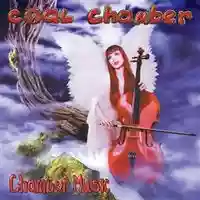
"Chamber Music," the second album, was released in 1999 and placed the band among the names that elevated this scene. The influence of Korn, which had so much (perhaps a bit too much) characterized the eponymous debut, is still present but filtered through electronics: Meegs' heavily downtuned guitars are extensively effected, and keyboards are introduced, providing the group’s music with dark hues, a dark and sepulchral distillation of personal obsessions and ghosts. A music, therefore, strongly expressionist and existentialist, as the lyrics demonstrate, once again highlighting the problems of singer Dez Fafara: "Not Living" and other songs describe a man destroyed by divorce, still pointlessly in love with the leech-like wife who abandoned him and took everything away. However, in "Tyler’s Song", dedicated to his son, he emerges as a wise and loving father.
Let's continue with the analysis of the musical content. After a short instrumental introduction with strings, "Mist"", which almost seems to take the album's title literally, the robotic and futuristic bitterness of "Tragedy" bursts in. This is the chamber music of Coal Chamber, even better exemplified by the subsequent tracks: "El Cu Cuy, UnTrue, What's In Your Mind?, Not Living, Entwined" and "Feed My Dreams" unfold in a rhythm section - Mike Cox on drums and Rayna Foss on bass - urgent and nervous, owing much to funk (speaking of Korn influences) and simple yet immensely powerful riffs that sporadically give way to leaden synthetic and futuristic melodies. On these structures, Dez Fafara's flexible voice oscillates vertiginously from fierce spoken parts - let's call them rap - and deep growls - let's call them growl - to a sung register that is now baritone, now perversely androgynous. Regarding the melodic component, the shadowy ballads "Burgundy" and "My Mercy" add touches of black to the autumnal electro-pop of Depeche Mode. Also noteworthy is the curious cover of "Shock The Monkey" by Peter Gabriel, where none other than Ozzy Osbourne joins Dez on vocals.
It's a pity about the somewhat underwhelming finale (truly mediocre "No Home" and "Notion", not even "Shari Vegas" is a gem), without which the work would have deserved top marks. It remains, however, a remarkable piece: its merits lie in its ability to combine the vigorous and masculine vigor of nu-metal with atmospheres of a more androgynous nature and to escape the stereotypes of the genre (first and foremost, nu metal = pumped-up and flashy rap metal). Coal Chamber deserved a better fate.
Loading comments slowly
Summary by Bot
Coal Chamber's 1999 album Chamber Music stands out in the nu metal scene with its dark, electronic-infused sound and expressive lyrics. The band avoids clichés and brings personal intensity, especially through Dez Fafara’s emotionally complex vocals. The album combines heavy riffs with atmospheric melodies and features a notable cover with Ozzy Osbourne. Despite a weaker ending, Chamber Music remains a remarkable and influential work in the genre.Tracklist Lyrics Videos
Coal Chamber
Coal Chamber is an American nu metal band from Los Angeles formed in 1993 by vocalist Dez Fafara and guitarist Miguel “Meegs” Rascón. They broke out with Coal Chamber (1997), expanded their palette on Chamber Music (1999), and delivered Dark Days (2002), later reuniting for Rivals (2015). Known for the singles Loco and Sway, and for covering Peter Gabriel’s Shock the Monkey with Ozzy Osbourne.03 Reviews
