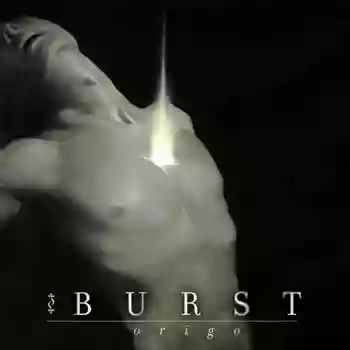

 •
Rating:
•
Rating: THE REVIEW
Given the premises set by 'Prey on Life', with expansive sounds, excessive use of effects, and broad-ranging songs, Burst's future seemed destined for a calm post-core/post-rock drift à la 'Isis' or 'Cult Of Luna'. Prediction incorrect.
However, the feeling is that the Swedish quintet of former Nasum member Jesper Liverod has unintentionally left something important behind: the very element that made a record like 'Prey On Life' great and which 'Origo' lacks.
'Prey On Life' naturally and spontaneously blended genres, while 'Origo' sounds artificial, stubborn in chasing the previous cumbersome model, unable to break away from the well-trodden path. The psychedelic excesses are now incorporated into a sound that's compact, solid, less experimental, and somewhat repetitive.
Stormwielder and Where The Wave Broke rebel against the norms, not coincidentally the most noticeable tracks, while Mercy Liberation opens with an (inadvertent?) homage to Morricone, only to evolve without further pursuing this intriguing contamination.
The tracklist seems to be crowded with too many fillers, in contrast to the remarkable run of masterpieces that was 'Prey On Life'. The increased use of Robert Reinholdz's pleasant clean voice serves no purpose when it goes hand in hand with the worsening performance of Linus Jägerskog, monotonous if you will, less sharp than before.
We might as well think of 'Prey On Life' as the seal that closes an era for Burst; 'Origo' is nothing more than the first step in a new evolutionary process: the result lacks well-defined contours and sometimes loses sight of the goal to be pursued but gives hope for what will be the endpoint.
Loading comments slowly
Summary by Bot
Burst's album Origo marks a step in their musical evolution but falls short compared to their earlier work Prey On Life. The record feels more compact and less experimental, with a tendency toward repetition and some filler tracks. Vocals show mixed results with Robert Reinholdz's clean voice contrasting a declining sharpness from Linus Jägerskog. Despite flaws, Origo hints at future potential.Tracklist Lyrics Videos
Burst
Burst are a Swedish post-metal/progressive metal group known for fusing hardcore and Scandinavian death metal with progressive and psychedelic textures. Their Relapse Records era includes Prey on Life (2003), Origo (2005), and Lazarus Bird (2008). Vocals alternate between Linus Jägerskog (harsh) and Robert Reinholdz (clean).04 Reviews
Other reviews
By The_Edza
The alternation between Jägerskog's fierce voice and Reinholdz's clean vocals is one of the album's best points.
'Origo' is already a great album, reaching an excellent quality level with potential for even greater works ahead.
