
 •
Rating:
•
Rating:
THE REVIEW
It's strange to rediscover old records, perhaps buried under rivers of dust and perhaps dented by time. It's strange because sometimes we forget how much good there really has been in Italian music, and I'm certainly not talking about the present, but a past that now seems prehistoric. I can't certainly remember it myself, being born just twenty years ago, but discovering that infinite world of musical solutions that Italy has given us, I can't remain indifferent. I am amazed at how these musical offerings have remained hidden and unknown to many.
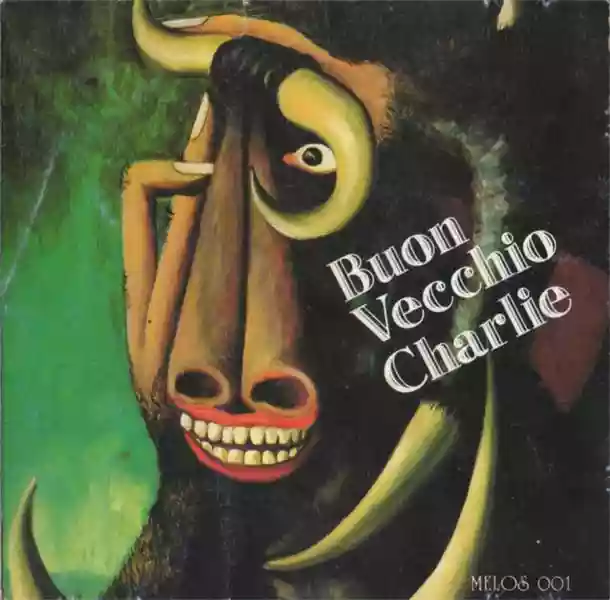
This album is an example of the inspiration that fueled the '70s. We were in the full swing of the progressive rock boom, with bands like Genesis and King Crimson abroad, and PFM in Italy, dominating the scenes. But obscured by the works of these leading groups, this decidedly good opera emerged from the minds of 6 talented musicians: Sandro Cesarini (winds), Paolo Damiani (bass), Rino Sangiorgio (drums), Sandro Centofanti (keyboards), Luigi Calabrò (second guitar), and, believe it or not, Richard Benson (lead guitar). The album was recorded in 1972 but was only released in 1990 with new artwork. And it's a shame because it would not have looked out of place among the works of the major progressive groups of those years.
The version I'm reviewing is the 1999 reissue with 2 bonus tracks: "Rosa" and "Il guardiano della valle". The first is a sweet ballad that nonetheless weaves the progressive mannerisms of those years: a pleasant piano intro and a solo finale. Benson's guitar is very recognizable, which has apparently remained unchanged in style over the years. The second, on the other hand, is an excellent acoustic track: cheerful, with an almost playful cadence. But the real album opens with the suite (mandatory for a progressive group) "Venite giù al fiume". It originally picks up the theme from Grieg's Peer Gynt but soon gently falls into the instrumental section. "Fascinating" is enough to describe the atmospheres created by the voice supported by Benson's acoustic, but it's also impossible not to be struck by the excellent work on the winds and keyboards. It then picks up again with the almost country pace of "Evviva la contea di Lane". The PFM atmospheres are alive, but the work on this track is commendable: unpredictable openings and continuous changes of atmospheres make the track inimitable. The work continues with the second suite: "all'uomo che raccoglie cartopni" is rare in its complexity and beauty. 7 minutes of pure complexity precede the suffering voice, only to fall back into the hectic chase of the instruments, which has never been so fitting.
An excellent work. Discovered late and underrated at the time, it adds to the excellence of the progressive of those years. It doesn't have the excellent production of the more renowned bands, but it lives with its own personality and, perhaps because of its late discovery, it lives with a youthfulness and freshness that I didn't imagine.
Loading comments slowly
Summary by Bot
This review delves into Buon vecchio Charlie’s self-titled album, a long-overlooked Italian progressive rock work from 1972. Praised for its fresh and complex compositions, the album stands proudly alongside major contemporaries like PFM and Genesis. The 1999 reissue includes notable bonus tracks enriching the listening experience. Despite poor initial exposure, the album holds a unique personality and youthful energy.Tracklist Videos
Buon Vecchio Charlie
Buon Vecchio Charlie are an Italian progressive rock band active in the early 1970s. Their self-titled album was recorded in 1972, first released in 1990, and later reissued with bonus tracks.03 Reviews
Other reviews
By emanuele
The sextet offers us a fine progressive rock album played perfectly, extremely complex in its structures, with far and vaguely medieval tones.
A delicious and exquisitely PROG ROCK suite: moving on first fast and aggressive coordinates and then slow and sweet, the 15 minutes will take you on a musical journey beyond the limits of the imaginable.
By GATTINATOR
This beautiful concept album from 1972 maintains a more symphonic imprint thanks to the jazz influence and the dominance of the flute.
Surely this is an essential album for the Italian prog school, it’s a pity that I don’t have the latest reissue to describe the two bonus tracks to you.
