
 •
Rating:
•
Rating:
THE REVIEW
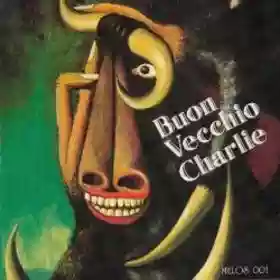
Like Chapter 6, this Italian band also produced a single work, creating a sound similar to the greatest Anglo-Saxon prog groups. Based on the typical sounds of "Colosseum," "King Crimson," "Genesis," and "The Nice," this beautiful concept album from 1972 maintains a more symphonic imprint thanks to the jazz influence and the dominance of the flute.
The tracks are three: "Venite giù al fiume," "Evviva la contea di Lane" and "All'uomo che raccoglie i cartoni". Notably, there is an excellent digipack reissue from Akarma Records which includes two bonus tracks: "Rosa" and "Il Guardiano della Valle". Let me delve deeper into the album's content, directed and led by a young and talented Rino Sangiorgio on drums, by the virtuoso guitarist Luigi Calabrò, by Richard Benson (today's antichrist) with a warm and sensual voice, and Sandro Cesaroni on winds, who does an impeccable and outstanding job.
The opening track is an extremely classical composition: it sounds English, but the mastery of the flute is like the Anderson of "Tull," in 12 minutes there are strong epic moments alternating with rather frenetic, fun, and melodramatic flute riffs... unmistakable are the folk shades present. "Evviva la contea di Lane" instead is the only one in line with Italian sounds and especially PFM, written by the guitarist Benson, it is an excellent example of Italian-made virtuosity, with great mastery of the guitar and a lively solo.
The third and final track, 15 minutes long, is the most technically complex gem because it consists of multiple constantly changing tempos. The jazz improvisation with organ and flute is excellent (at times it feels like listening to Osanna), while the inclusion of medieval-style chords, dragging the work into exciting folk scenarios, is original.
Surely this is an essential album for the Italian prog school, it's a pity that I don't have the latest reissue to describe the two bonus tracks to you. Still, 100% a cult classic of Italian music.
Loading comments slowly
Summary by Bot
Buon Vecchio Charlie's 1972 album is a prized Italian progressive rock work, blending symphonic elements with jazz and folk hues. Led by talented musicians like Rino Sangiorgio and Luigi Calabrò, it echoes Anglo-Saxon prog giants while maintaining distinct Italian virtuosity. The album features three epic tracks with dynamic tempos and impressive flute performances. Praised as a cult classic, it is essential listening for fans of the genre.Tracklist Videos
Buon Vecchio Charlie
Buon Vecchio Charlie are an Italian progressive rock band active in the early 1970s. Their self-titled album was recorded in 1972, first released in 1990, and later reissued with bonus tracks.03 Reviews
Other reviews
By emanuele
The sextet offers us a fine progressive rock album played perfectly, extremely complex in its structures, with far and vaguely medieval tones.
A delicious and exquisitely PROG ROCK suite: moving on first fast and aggressive coordinates and then slow and sweet, the 15 minutes will take you on a musical journey beyond the limits of the imaginable.
By Matt7
It would not have looked out of place among the works of the major progressive groups of those years.
An excellent work...it lives with a youthfulness and freshness that I didn’t imagine.
