
 •
Rating:
•
Rating:
THE REVIEW
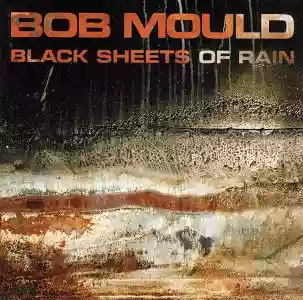
In the midst of the grunge era comes the second solo work by Bob Mould. The singer-guitarist from Minneapolis, after an unconvincing and all in all uninspired debut with "Workbook" and its folk-alternative rock, decides to reconnect with rock. But the past never returns as it was, and indeed once again, there are few pieces that hark back to the glorious adventure of Husker Du.
In the end, however, this is nothing but a good sign, as Bob prefers to give us five rock songs based on great melodies over repetitive riff patterns rather than repeating standards (in keeping with the rule that sequels never match the quality and success of originals). The best is "Stand Guard", the most catchy is "It's Too Late", almost disarming, considering it was composed by someone who, until recently, would instantly self-combust every time he strapped on a guitar. The others are the heartfelt "Stop Your Crying", the fast "Out Of Your Life", and the spectacular "Hear Me Calling", all offbeat with beautiful choral vocals.
More traditional are the punk song "Disappointed" and the violent caustic finale of "Sacrifice - Let There Be Peace". In between, a folk episode in the pleasant yet too traditional ballad titled "The Last Night", and two mid-tempo rock tracks, "Hanging Tree" but especially "One Good Reason", which seems to come straight from the less commercial wing of the Seattle Sound, with Screaming Trees leading the way. One wonders, indeed racks one's brain, to enumerate one by one the bands that have drawn — or borrowed extensively — from the taste of Husker Du (not just Bob). Emblematic, in this regard, is the opening title track, reminiscent of the famous "Crush With Eyeliner" by those quirky R.E.M. from the "Monster" period, with the addition of a special of thumping guitars and screams that in forty seconds explains half the discography of Nirvana.
A work that is worthwhile, beyond the resonances with the emerging bands of the time, for the melody and the brightness of five gems of rock songs and on the remaining tracks, perhaps less inspired, but on which one can perceive the overall solidity of Bob Mould's compositional structure, as well as his indisputable capabilities as an arranger and performer.
Loading comments slowly
Summary by Bot
Bob Mould's second solo album, 'Black Sheets Of Rain,' marks a confident return to rock after a folk-alternative debut. While not revisiting Husker Du's glory directly, the album shines with five standout melodic rock tracks. Influences from the Seattle scene and 1990s grunge are evident, making it a worthwhile listen. The album balances caustic punk energy with folk elements, showcasing Mould's skills as a composer and performer.Tracklist Lyrics Videos
Bob Mould
Bob Mould is an American singer-songwriter and guitarist, known as a co-leader of the 1980s Minneapolis band Hüsker Dü and for a long-running solo career that blends punk-driven rock with melody-forward songwriting.11 Reviews
