
 •
Rating:
•
Rating:
THE REVIEW
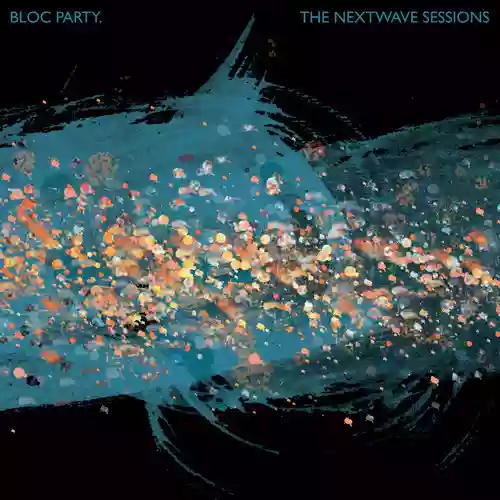
A year after Four, in mid-August 2013, Bloc Party released The Nextwave Sessions, an EP containing five tracks previously performed live during their North American tour. Not even 18 minutes of music for songs that actually seem like a collection of B-sides from Four. The style is the same.
However, these are songs that, despite everything, always make you get up and dance, suitable for a party, as in the case of "Ratchet" and "French Exit," which follow "Octopus," "Team A," and "So He Begins to Lie" from Four.
Others instead, "Obscene" and "Montreal," make you close your eyes and relax: delicate and perhaps the best of the EP, they hark back to the sounds of "The Healing" and, going further back, "Signs" from Intimacy.
Nothing new then except for the last song, "Children of the Future," which has a basic riff reminiscent of early Placebo. An interesting but isolated case.
A short but pleasant and not trivial EP as it might seem. An EP that, in the end, sums up where these four Englishmen have arrived.
Loading comments slowly
Summary by Bot
Bloc Party's The Nextwave Sessions EP, released in 2013, offers five tracks totaling less than 18 minutes. The songs mostly resemble B-sides from their previous album Four, mixing upbeat dance tracks like "Ratchet" and "French Exit" with more relaxed tunes such as "Obscene" and "Montreal." The EP closes with "Children of the Future," a unique song with early Placebo vibes. Overall, a concise but pleasant summary of the band's musical evolution.Tracklist Videos
Bloc Party
Bloc Party are an English indie rock band formed in London, first gaining major attention in the mid-2000s with their debut album “Silent Alarm.” Their catalog is often discussed in terms of a shift from angular, post-punk-influenced guitar rock toward more prominent electronic and pop elements on later releases.17 Reviews
