
 •
Versione 1
Rating:
•
Versione 1
Rating:
THE REVIEW
The avid rock music enthusiast, a keen browser of market stalls, scrutinizer of album covers, inspector of familiar names in the credits—be they the producer or some more or less guest instrumentalist—is not infrequently won over by bands he has never heard before, spending a few euros blind, having learned not to trust a sampling on YouTube that can often trigger superficial evaluations.
It’s one thing, after all, to listen from a computer or mobile phone to a few snippets of tracks; it’s quite another to take home an unknown but intriguing record and listen to it in peace—perhaps on headphones, maybe two or three times in a row—while at the same time consulting the sleeve or booklet notes, absorbing the photos, the graphics, the whole package.
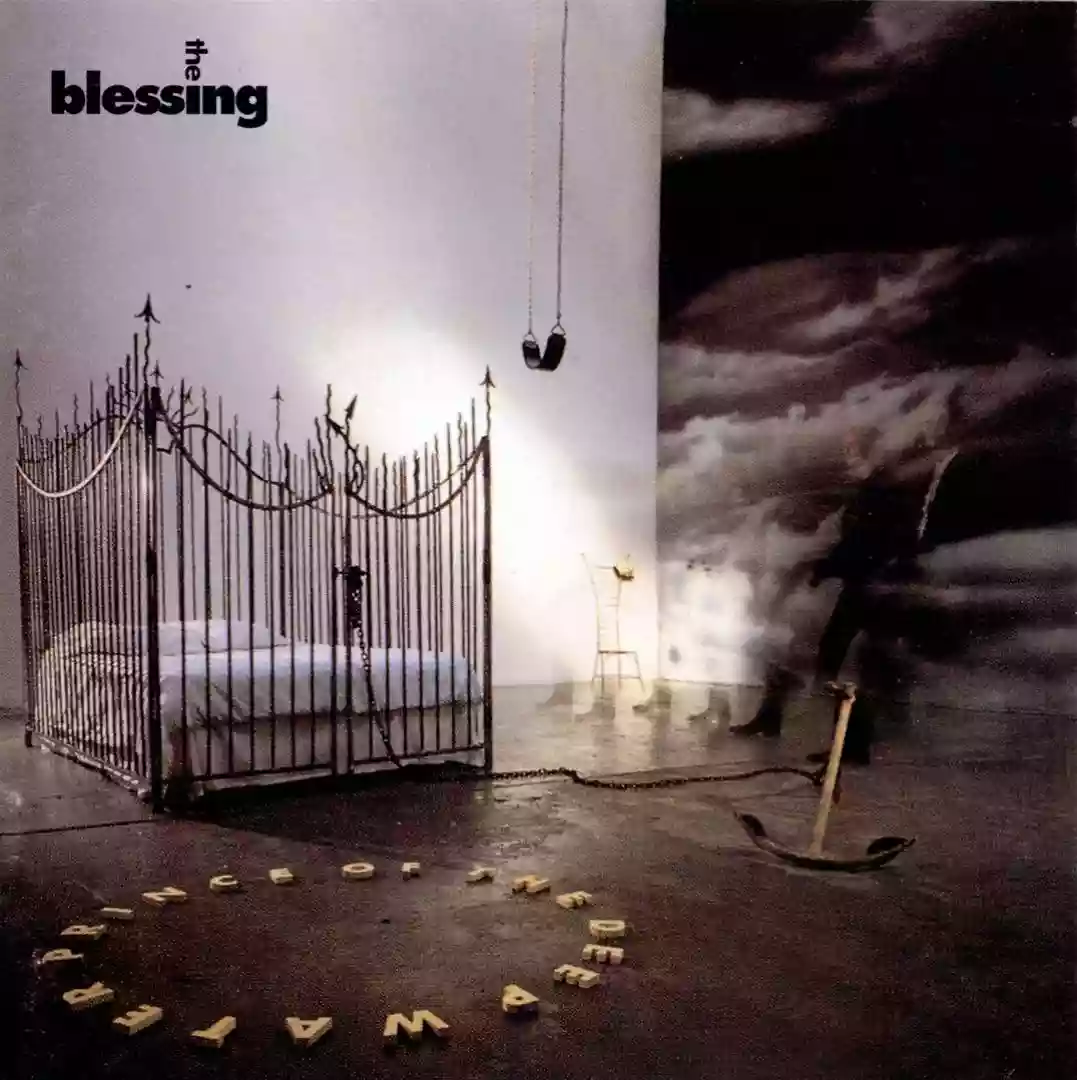
"Prince of the Deep Water" was, at the time, one of my blind purchases. Anyone like me, with a well-stocked disc collection at home, probably has expertise and even a certain sensitivity when it comes to the budget level at which an album was made: the design, the care in the lettering, the high caliber (and related engagement cost, no doubt) of those appearing as session men or guests—all point to professionalism and possible pleasant surprises.
Even the mere frequency with which you come across an unknown album among all the other records in shops or at the markets says something: it means the distribution was widespread and so a powerful record company had bet heavily on it. "Prince of the Deep Water" by the British band Blessing immediately made me sense it was a big major production, into which, for some reason, a lot of money had been invested—with the obvious hope of recovering it through substantial sales.
Having taken note of the impeccable packaging and the unknown names of the members of this British sextet, your eye inevitably falls on the lengthy thanks extended to the array of musicians who "helped": names like Jeff Porcaro, Steve Ferrone, and Mel Gaynor on drums, Nathan East and John Giblin among the bass players, Robben Ford among the guitarists, Nicky Hopkins and Bruce Hornsby among the many pianists… In all, a couple dozen fine people, and when listening to the record, it’s clear they were the ones who "made" the eleven songs on the tracklist: too polished, balanced, attentive, and refined to have all originated with five unknown debutant instrumentalists. And I could recognize Porcaro’s drumming even underwater.
A specific mention for the sixth man, the singer: this William Topley is a decent performer, blending blues, pop, and rock inflections. Nothing particularly exceptional, though—his voice makes its mark, but after a while, it also gets tiresome. Still, it definitely gives character to this 1991 debut from Blessing, a band that managed to release only two more albums after this.
Among the twelve tracks on "Prince…" I pick up a few really strong moments, notably "Delta Rain," and even more so the final number, which also gives the album its title. The rest is neither good nor bad, but if you like moderately rocking blues and you happen to find it for five euros (not that hard), go for it.
Loading comments slowly
Summary by Bot
This review provides an assessment of Blessing’s album 'Prince of the Deep Water.' It explores the musical direction and style adopted by the band. Highlights of the album's strengths and any notable weaknesses are discussed. The review offers a balanced perspective, giving the album a mid-range rating. It caters to readers interested in alternative or 1990s rock music.
Blessing
Blessing are a British music group whose 1991 debut Prince of the Deep Water showcased a polished blend of rock, blues, and pop, fronted by vocalist William Topley and supported by high-profile session musicians.00 Reviews
