
 •
Rating:
•
Rating:
THE REVIEW
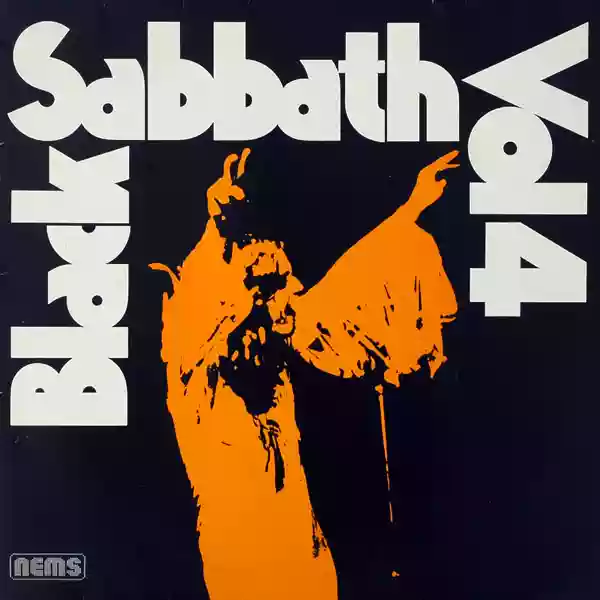
In 1970, a band emerged with the desire to create a sound that went against the "Peace and Love" trends that were in vogue at the time, a dark, gloomy, and modern sound that would lay the foundations for a genre still widely followed today: metal. Black Sabbath weren't playing metal yet, but rather hard rock played for the first time with the guitar tuned down a half step (a technique used by a myriad of metal guitarists) and influenced by blues and psychedelia with lyrics interested in occultism (although it is said that the only member of the group interested in black magic was Geezer Butler, the bassist). Here I would like to talk about the fourth work of this extraordinary group. Vol. 4 marks a stylistic turn from the previously published works by Black Sabbath. It was released in 1972 after the first three works, which, in my opinion, will remain in the history of popular music of the 20th century.
In this album, there are noticeable differences compared to the gloomy bluesy hard-rock of the first three albums. In some tracks, among other beautiful ones, the influence of progressive rock is evident, which was spreading so much during that period. It's worth remembering that Tony Iommi played guitar for a short period with Jethro Tull, the famous prog rock band of Ian Anderson. Among these songs, Changes is the one where the change of direction is most felt: the presence of a piano that accompanies the melancholic voice of Ozzy Osbourne narrating the sadness of a lost love. Beautiful too is Wheels of Confusion, especially in the final solo, which fades into a mysterious guitar echo. Nonetheless, there are also songs that reconnect to the dear old hard-rock sounds of the past, like Tomorrow's Dreams and Supernaut, always amazing, but especially the doom sound characteristic of Iommi's guitar style, as in Cornucopia, but especially in Under the Sun, which, in my opinion, is the best piece on the album. It opens with a very dark riff, then proceeds into another riff that creates loops, then dies in a truly chilling final solo, all intertwined with Ozzy's usual powerful (then, not today) and screeching voice that consecrates it into a true masterpiece. Another important piece is Snowblind, which initially was supposed to give the album its name, but the record companies preferred not to use it due to rumors surrounding the track's title, allegedly referring to cocaine (blind snow). However, the track is really beautiful, a powerful and melodic hard-rock at the same time. Also beautiful are the acoustic Laguna Sunrise and St.Vicious Dance, even if they don't stand out among the others. It may not be a much-acclaimed album, but it's one of my favorite records, among the best in Sabbath's discography.
P.S: Please don't be harsh with your comments, as this is my first review, but I would greatly appreciate advice. Bye and thanks to everyone!!
Loading comments slowly
Summary by Bot
Black Sabbath's Volume 4 marks a notable stylistic shift from their earlier bluesy hard rock towards progressive rock influences. The album balances darker doom metal riffs with melodic and acoustic interludes. Standout tracks like 'Under the Sun,' 'Snowblind,' and 'Changes' showcase the band's evolving sound. This album remains a favorite for its pioneering role in metal and hard rock history.Tracklist Lyrics Videos
Black Sabbath
English heavy metal band formed in Birmingham in 1968, widely credited as pioneers of heavy metal and led musically by guitarist Tony Iommi.91 Reviews
Other reviews
By 2+2=5
Black Sabbath presented themselves as a band devoid of any fear towards sonic experimentation.
Tony Iommi’s riffs shine with their own light yet never seem decontextualized from the melodic structure.
By poeta
When Osbourne took command of the Black Sabbath that year, he deliberately set about relentlessly producing timeless masterpieces!
Those who called Osbourne Ozzy the "proletarian of heavy music" were not wrong, I tell you because he bit the head off a flying rat!
By Tragopano
If there is one term that can describe this album, it is 'discontinuous'.
The general impression is that of a jumble of poorly developed ideas, left only in potential, that do not go beyond the dimension of filler.
