
 •
Rating:
•
Rating:
THE REVIEW
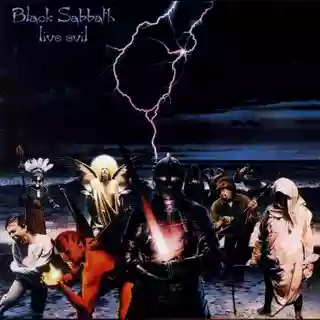
There's no point beating around the bush, when Black Sabbath at the end of the seventies parted ways once again with Ozzy, who was lost in his problems, no one would have bet too much on a return in grand style for the four from Birmingham. The last studio effort, "Never Say Die!", was a half-flop and the popularity was no longer what it used to be. Ronnie James Dio, an Italian-American from New York with a glorious past in Ritchie Blackmore's Rainbow, however, is the right man at the right time. With a voice and attitude completely different from his predecessor, the singer brought new life to a band on the verge of collapse, managing to direct the quartet towards sounds closer to the heavy metal scene of the time, enormously rejuvenating a musical proposal that was already starting to show its age. The production of the first album from this collaboration was troubled, Geezer Butler, the backbone of the Sabs, was unsure about staying, forcing the others to find replacements for him from time to time. In the end, the crisis, yet another, subsided and finally in 1980 "Heaven And Hell" hit the stores, an album that would make history in the genre, becoming a true point of reference for future generations and effectively reviving a band that many, perhaps too many, thought was already done for. The lyrics, fantastic and full of metaphors, are all Dio’s own and help to give this new incarnation of the Sabbath an epic flavor that the previous ones, of necessity, did not have and which would have a not insignificant influence on the epic metal scene that would emerge shortly thereafter. The subsequent "Mob Rules", of the following year, despite losing an irrecoverable Bill Ward, continues in the vein of the previous record, not matching its level, but still showing musicians in a state of grace. What better occasion to finally release a live album, the first in the long career of the English? "Live Evil", released in 1982, was intended to seal a two-year period of success, but in reality, it turned out to be the epitaph of yet another version of the group, with the quartet in fact already dissolved before the record even reached the stores. What happened? Let’s take it step by step. The evocative cover, with each character representing a classic of Black Sabbath, introduces an album that shows the Sabs at their peak form, as perhaps hadn't been seen since their golden days. Among the four there seems to be a good chemistry, or so it would appear, and the packed arenas confirm that they were heading in the right direction. Black Sabbath with Dio is not the same as with Ozzy, they could almost be considered a separate band, thanks to Ronnie James's strong personality, but that's fine, complaining about albums like "Heaven And Hell" would be madness. The setlist divides excellently between old and new classics, naturally with songs from "Mob Rules" asserting themselves over the others. Where is the problem? The record in question is indeed recorded live but sometimes you almost get the impression you're listening to a studio album with crowd noise added afterwards. Despite the name, "Live Evil" turned out to be one of the "live" albums most heavily edited in rock'n'roll history, the result of endless "fixes" that created more than a few disputes within the group and, as a final result, led to dear Ronnie James, always a somewhat difficult figure, storming off, taking his ally Vinny Appice with him. Regardless of the tampering, it remains a fact that "Live Evil", more than thirty years after its release, is a fascinating album, paradoxically also thanks to its "peculiar" sound, an authentic sum of a golden period, the first "Dio era", unrepeatable, which truly saw Black Sabbath reclaiming their status as one of the "heavy" names on the global rock scene. There is no need to say that Dio interprets the songs he wrote masterfully, while he seems a bit cold and detached when singing songs meant for Ozzy, but it is undeniable that his version of "Black Sabbath" is one of the best, perhaps even more sinister and chilling than the original. The long "Heaven And Hell", one of the few tracks where the audience’s presence is actually palpable, incorporates an exemplary "The Sign Of The Southern Cross", highlighting once again, as if needed, the greatness of this incarnation of the Sabs. A grand finale, even back then, entrusted to the classics of the classics, namely "Paranoid" and "Children Of The Grave". Dio's departure put a definitive end to a relative stability within Black Sabbath: from that moment, continuous lineup changes would ensue but, it must be acknowledged, the quality of the studio works would remain practically unchanged. Despite the setback, Tony Iommi and Geezer Butler decided to move forward, finding themselves putting together a rather questionable new lineup, with an Ian Gillan more interested in a Deep Purple reunion than being Black Sabbath's umpteenth singer, and inexplicably recalling even Bill Ward back to the fold, who was now more devoted to the bottle than to the drums. The result would be "Born Again" in 1983 but that really is another story.
"Live Evil":
- E5150
- Neon Knights
- N.I.B.
- Children Of The Sea
- Voodoo
- Black Sabbath
- War Pigs
- Iron Man
- The Mob Rules
- Heaven And Hell
- The Sign of the Southern Cross/Heaven And Hell (Continued)
- Paranoid
- Children Of The Grave
- Fluff
Black Sabbath:
- Ronnie James Dio, vocals
- Tony Iommi, guitar
- Geezer Butler, bass
- Vinny Appice, drums
- Geoff Nicholls, keyboards
Loading comments slowly
Summary by Bot
Live Evil captures Black Sabbath at the peak of their revitalized Dio era, showcasing a powerful setlist blending old and new classics. Despite heavy editing controversies, the album remains a fascinating document of the band's rebirth. Ronnie James Dio’s vocals bring a fresh and epic dimension to the band’s sound, helping Black Sabbath reclaim their heavy metal throne. The live album also marks the end of a relatively stable period before further lineup upheavals. A must-listen for fans of classic heavy metal.Tracklist Lyrics Videos
Black Sabbath
Black Sabbath are a British heavy metal band formed in Birmingham in 1968. The classic lineup featured Ozzy Osbourne, Tony Iommi, Geezer Butler and Bill Ward, with later acclaimed eras fronted by Ronnie James Dio and Tony Martin. Their influence spans generations; the group released the comeback album 13 in 2013 and concluded with a final tour in 2017.92 Reviews
Other reviews
By MaZo1
Dio quickly shows all the fans what he’s made of in the two albums from the Dio era.
A great live show with magnificent performances by Tony Iommi and the band.
