
 •
Rating:
•
Rating:
THE REVIEW
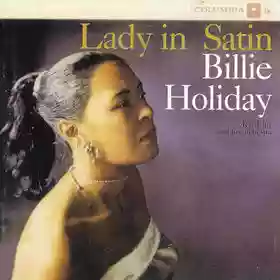
Notoriously, few sounds are as bitter and heartbreaking as the dusty ones coming from the descending curtain. And "Lady in Satin" is certainly further proof of this. This famous and controversial album contains the last recordings of the divine Billie Holiday, made in February 1958.
Famous because it constituted a kind of artistic testament of someone who, with her magical voice, had fed jazz to the masses, painting it with fiery iridescent blues: soon after, the liver and heart of Eleonara Fagen (her real name) would surrender after a life scattered with chemical abuses, consuming passions, and unhappiness. This gave a dramatic and frightening intensity to the way Holiday rendered standards like "You've changed" or "You don't know what love is".
Controversial as Billie’s last earthly journey was ferried by a 40-piece orchestra, masterfully conducted by Ray Ellis. A monumental accompaniment, with a cinematic flavor and at times overflowing, which still today makes jazz purists and the same Holiday exegetes turn up their noses.
We are not interested in dissecting this long-standing controversy here. What is certain is that Holiday herself considered this her most successful album. Perhaps because she was aware that, since her vocal abilities had been impaired by the varied vicissitudes of her existence, it was precisely with the shrewd and romantic use of strings that she could compensate, and with a flick of the tail, reverse the trend of a career that had been declining for some time. Listening to "Lady in Satin" indeed suggests how certain arrangements, at times so ecstatic and majestic as to seem penned by Morricone or John Barry, constituted a considerable emotional thrust for Holiday.
And then that voice, as much wounded and cracked, was still capable of enchanting, of reaffirming a fundamental archetype for the entire twentieth century (a random name: Portishead) and of cleaving through the impressive orchestral bark. Simply piercing, as in the quintessential "I'm a fool to love you", epitome of all the torments that dotted Billie Holiday's life.
The best possible farewell, then: not only to the world, but above all to a part of herself that she could never have denied.
.
Loading comments slowly
Summary by Bot
Lady in Satin is Billie Holiday's final album, recorded in 1958 during a difficult phase of her life. Featuring lush orchestral arrangements by Ray Ellis, it delivers a powerful emotional impact despite controversy among jazz purists. Holiday's cracked yet enchanting voice brings a heartrending quality to classic standards, making this album a poignant and memorable farewell.Tracklist Lyrics Videos
Billie Holiday
Billie Holiday (1915–1959) was an American jazz and swing singer known as Lady Day. Renowned for her emotive phrasing and unmistakable timbre, she influenced generations of vocalists and left landmark recordings across the 1930s–1950s.02 Reviews
