
 •
Versione 1
Rating:
•
Versione 1
Rating:
THE REVIEW
Michael (and John and Troy and then Gregg too)
It's January 1981, and three Californian guys under twenty decide to form a band.
Michael plays the bass, sings, and composes the songs; John is on the guitar, and Troy is on the drums.
They decide to call themselves Salvation Army and play something akin to garage-punk.
In those days, if you say garage-punk, you mean the Fuzztones of Rudi Protrudi and the Gravedigger V of Leighton Koizumi.
Rudi and Leighton aren't exactly the kind of people a well-mannered girl would introduce to her parents.
But Michael is.
The garage-punk Michael has in mind lacks the brazen and self-satisfied wildness of what is played by Fuzztones and Gravedigger V; on the contrary, it's a gentle and well-mannered garage-punk, if garage-punk can ever be so.
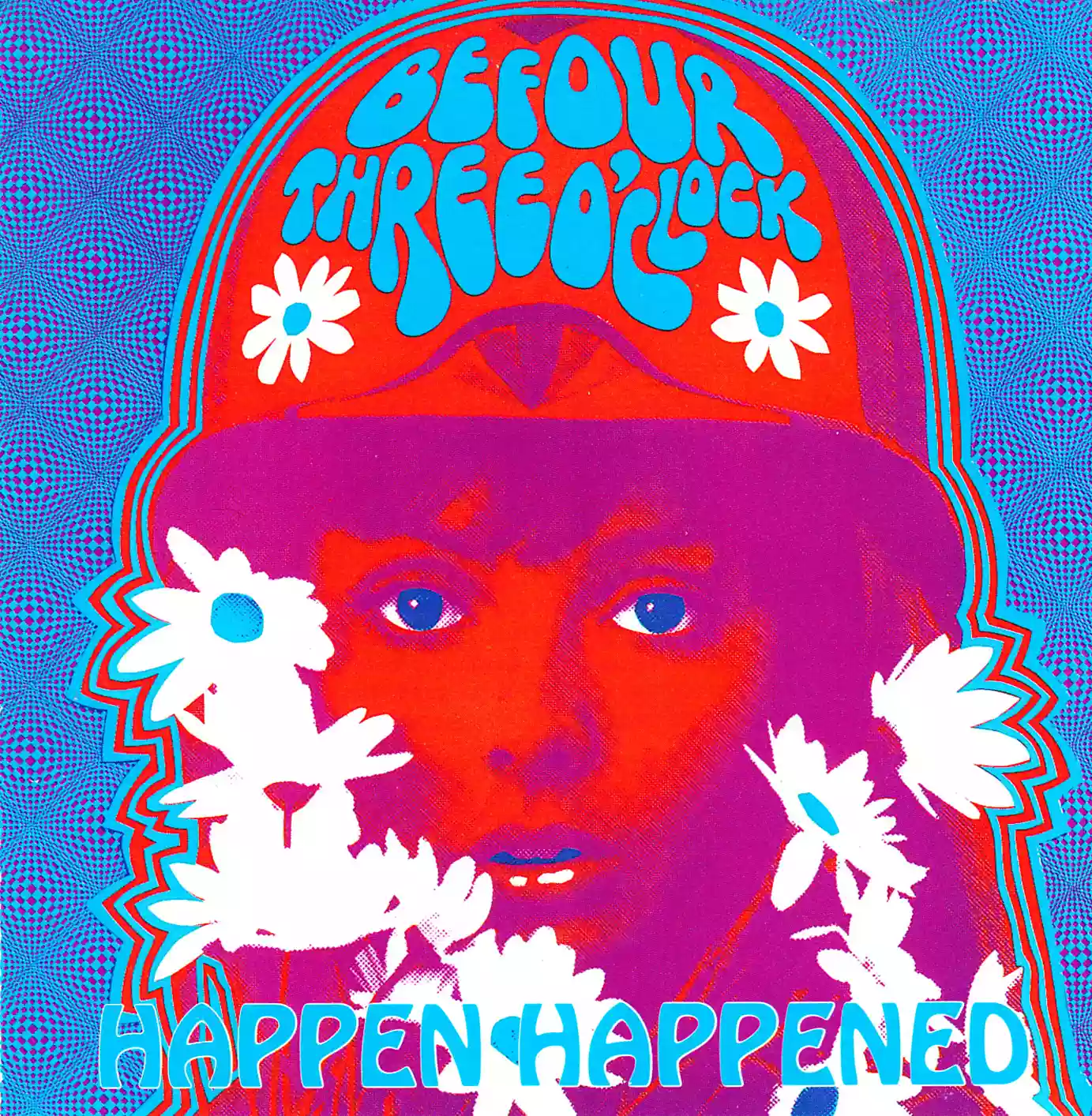
Be that as it may, Michael composes four tracks, recorded in a demo tape: “Happen Happened,” “For Hours,” “Fight Songs,” and “Mind Gardens”; two-fifths psycho, two-fifths garage, one-fifth punk.
Dennes
The demo tape ends up in the hands of Dennes, who is five years older than Michael and has spent those years building a reputation in the Californian underground music circles.
He plays in a band, the Minutemen, which in those days in 1981 has just released an EP and is completing their first album. Despite their material being just enough songs to count on your fingers, Dennes and his bandmates are already characters in their own way.
They even started their own record label, New Alliance.
Dennes really likes that demo tape, possibly due to Michael's eclectic and novel attitude toward garage-punk, which mirrors Dennes's own eclectic and novel attitude toward hardcore-punk.
If the Minutemen are a hardcore-punk band, then the Salvation Army is a garage-punk band.
The fact is that Michael and Dennes pick “Happen Happened” and “Mind Gardens” from the batch, and that's the first record release of the Salvation Army, in the form of a single.
Rodney
Some get swept up in enthusiasm, some lose it (enthusiasm).
Dennes encourages Michael to compose new material while the Salvation Army loses a member.
Michael has four brand-new tracks – “She Turns to Flowers,” “Grimly Forming,” “The Seventeen Forever,” and “Cellophane Nirvana” – and a rework of “Going Home” by the Great Society for a second demo tape.
In the meantime, John leaves, and Gregg takes over on guitar.
From that demo tape, Michael and Dennes were supposed to pick a couple of tracks again for the second Salvation Army single.
But things turn out differently.
Rodney is a DJ, hosts a radio show, falls in love with the new Salvation Army demo tape, and plays it constantly during his shows.
If John Peel paved the way for the Undertones, Rodney paves the way for the Salvation Army.
Lisa
Lisa works at Frontier, and her job is to scout new talents worthy of being signed.
Every Sunday night, she tunes into Rodney's show seeking inspiration, and those Salvation Army initially pique her curiosity, then win her over.
She courts them, flatters them with the promise of a full album just for them, “steals” them from New Alliance, and signs them to Frontier.
The promise becomes reality in May 1982: “The Salvation Army” is the first, self-titled album.
Inside, there is the first single and four tracks from the second demo tape, all appropriately revisited and corrected, and four new tracks, “Upside Down,” “While We Were in Your Room Talking to Your Wall,” “Minuet,” and “I’m Your Guru.”
The Salvation Army
Not Michael's band.
But the international evangelical movement, founded to propagate Christianity, help the needy, and demonstrate that in a world enslaved by materialism, it is possible to live a joyful and active Christianity.
Garage-punk is one of the many symbols of that materialistic world.
So, the movement kindly asks Michael to change the name; otherwise, he should expect a multifaceted lawsuit.
The Three O’Clock
The Salvation Army ends here, all their production is collected in “Happen Happened,” under the name Befour Three O’Clock, a musical entity granted fictitious life.
Long live the Three O’Clock.
They live on through a splendid EP, “Baroque Hoedown,” an excellent album, “Sixteen Tambourines,” and notable insights scattered across various other grooves.
Loading comments slowly
Summary by Bot
Formed in 1981, Befour Three O'Clock started as the Salvation Army, blending garage and punk rock with a gentler style. Their demos caught attention in the Californian underground scene, leading to single releases and a deal with Frontier Records. Legal issues forced a name change, but their early work remains influential. This review highlights the band's unique sound and key supporters who helped their rise.
Befour Three O'Clock
Formed in California in January 1981 by Michael (Quercio) with John and Troy (later Gregg), the group began as The Salvation Army. Early demos and singles led to a Frontier Records release; early material was later collected as Happen Happened under the Befour Three O'Clock name. The band is associated with the Paisley Underground scene and released the EP Baroque Hoedown and the album Sixteen Tambourines.01 Reviews
