
 •
Versione 1
Rating:
•
Versione 1
Rating:
THE REVIEW
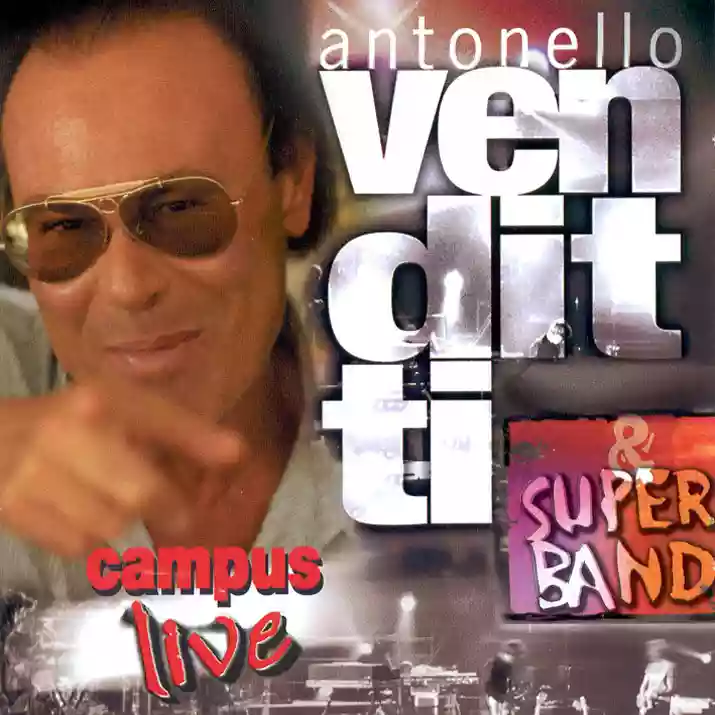
Fifth live by Venditti, excluding the performance with De Gregori, Dalla, and Monti in 1974, "Campus Live" represents an innovation in the arrangements of the songs compared to how they were proposed in previous years. His band advised him to abandon the piano, as had been happening gradually (amusingly?) in previous years, to sing his hits with a purely guitar arrangement at the Cinecittà Campus, from which the name of the work derives. The result is a performance of 15 tracks, including classics, recent releases, and an unreleased song. Regarding the classics, they are particularly transformed compared to the original version "Qui," with a different and more energetic final solo; "Roma Capoccia," one of only two tracks from the '70s, with an "up-to-date" introduction; "Sotto il segno dei pesci" which begins with chords that less closely follow the melody and do not immediately make the song recognizable; "Amici Mai," with a different sax solo and Venditti's voice emphasizing; and especially "Ci vorrebbe un amico," with a completely different introduction and the chorus lyrics not sung, even stating "Ci vorrebbe ci vorrebbe..." only to lead into "amico" at the final chorus. As mentioned, the role of the guitars, especially that of Marco Rinalduzzi, the true creator of this project, is fundamental. As for the new releases, "Che fantastica storia è la vita" from the previous year is reprised with Amedeo Bianchi's saxophone and not Gato Barbieri's, but it remains equally engaging; "Ruba" and "Lacrime di pioggia" also undergo the same treatment, giving more space to electric guitars. The only unreleased track, "Addio mia bella addio", closes the album and is recorded in the studio. It is a folk song sung by Italian soldiers in the Carso, which Venditti recorded in a demo in 1974. The song actually originated from an 1848 poem by Carlo Alberto Bosi. Noticing similarities between this track and an Anglo-American folk song, "Waltzing Matilda," Antonello Venditti wanted to mix the material to provide his version, with a rewritten text, referring to the situation after the Nassiriya massacre. At one point in the track, a female voice recites a Buddhist prayer.
However, the album is nothing exciting, apart from the transformed songs, the truly most important part of the album, and the vocalizations with which Venditti slightly changes the pieces, the rest is "the same old story." A half-successful project, almost impromptu, that does not reach three stars and seems rather a way to fill the gap that would later be filled by "Diamanti" in 2006. Antonello will be able to do better with "70.80 Ritorno al futuro," even if "Campus Live" manages to be a bit more interesting than "Circo Massimo 2001," perhaps his worst live performance.
Loading comments slowly
Summary by Bot
Campus Live is Antonello Venditti's fifth live album, featuring innovative guitar arrangements and transformed versions of his classics. The album includes new releases and an unreleased folk-inspired track. While the reinterpretations add interest, the album overall feels like an impromptu project and lacks excitement. It falls short of three stars but is somewhat stronger than some previous live works.Tracklist Lyrics
Antonello Venditti
Italian singer-songwriter and pianist born in Rome in 1949. Debuted in the early 1970s, rose with Lilly (1975) and Sotto il segno dei pesci (1978), and scored major 1980s hits like Cuore and In questo mondo di ladri. Known for Rome-themed anthems and vivid social storytelling.45 Reviews
