 •
Rating:
•
Rating:
THE REVIEW
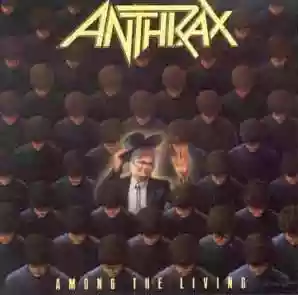
1986 was the crucial year for thrash metal. In this very year, the greatest masterpieces of the thrash genre were released, and for metal in general, "Master of Puppets" and "Reign in Blood" came out. But this was also a pivotal moment for heavy metal from across the ocean in terms of commercial success and the evolution of the genre. Coming off the success of the splendid "Spreading of Disease," they were now bound by the demands of many fans around the world. The undertaking wasn't simple given the beauty of "Spreading of Disease." The tracks have very elaborate and technical structures, and you can also hear the Bostonian school hardcore punk influences in songs like "Horror of it All" and the title track, which allow for greater longevity. The hardcore influences are also evident in the crazy S.O.D. project. Real pogo anthems like "Caught in a Mosh" and "Indians" are created, the sound of the guitars hardens even more, and yet solos aren't missing. Still, the section of Frank Bello and Charlie Benante becomes more immense in terms of tempo changes, demonstrating the maturity of the tracks. Against the wall of sound, the melodic voice of Joe Belladonna stands out; truly an extraordinary singer, in my opinion, and underrated by many. On the lyrics level, more mature themes are touched upon; the works of Stephen King are discussed, "I Am The Law" is inspired by the comic saga of Judge Dredd, while "Indians" addresses the problem of Native Americans. There is little to add here: this is Anthrax's best album, a cornerstone of thrash metal, as well as one of the best albums. From here on, the group will lose steam, but this album is an authentic masterpiece recommended to those who love thrash. Inchinimiacoci
Loading comments slowly
Summary by Bot
Anthrax's 1986 album Among The Living is hailed as a thrash metal cornerstone, combining technical complexity with hardcore punk energy. The album features standout tracks like "Caught in a Mosh" and addresses mature themes such as Native American issues and Stephen King inspirations. Joe Belladonna's melodic vocals and the band's instrumental maturity elevate this record to a masterpiece status recommended for thrash metal fans.Tracklist Lyrics Videos
Anthrax
Anthrax are an American heavy metal band from New York City, widely recognized as one of the key groups of 1980s thrash metal and commonly associated with the genre’s “Big Four.”22 Reviews
Other reviews
By trapano
The album is an extraordinary cocktail of speed, power, anger, but also class.
Belladonna’s voice perfectly matches the outbursts of Benante and the hard riffs of Spitz and Ian.
By jigoro
The album is excellent and among the best in Anthrax’s discography.
Joey Belladonna ... with his unique, clear, bright, inciting to 'moshing' voice ... makes us understand that, even in a genre not known for singers’ technical abilities, there is always the delightful exception.
