
 •
Rating:
•
Rating:
THE REVIEW
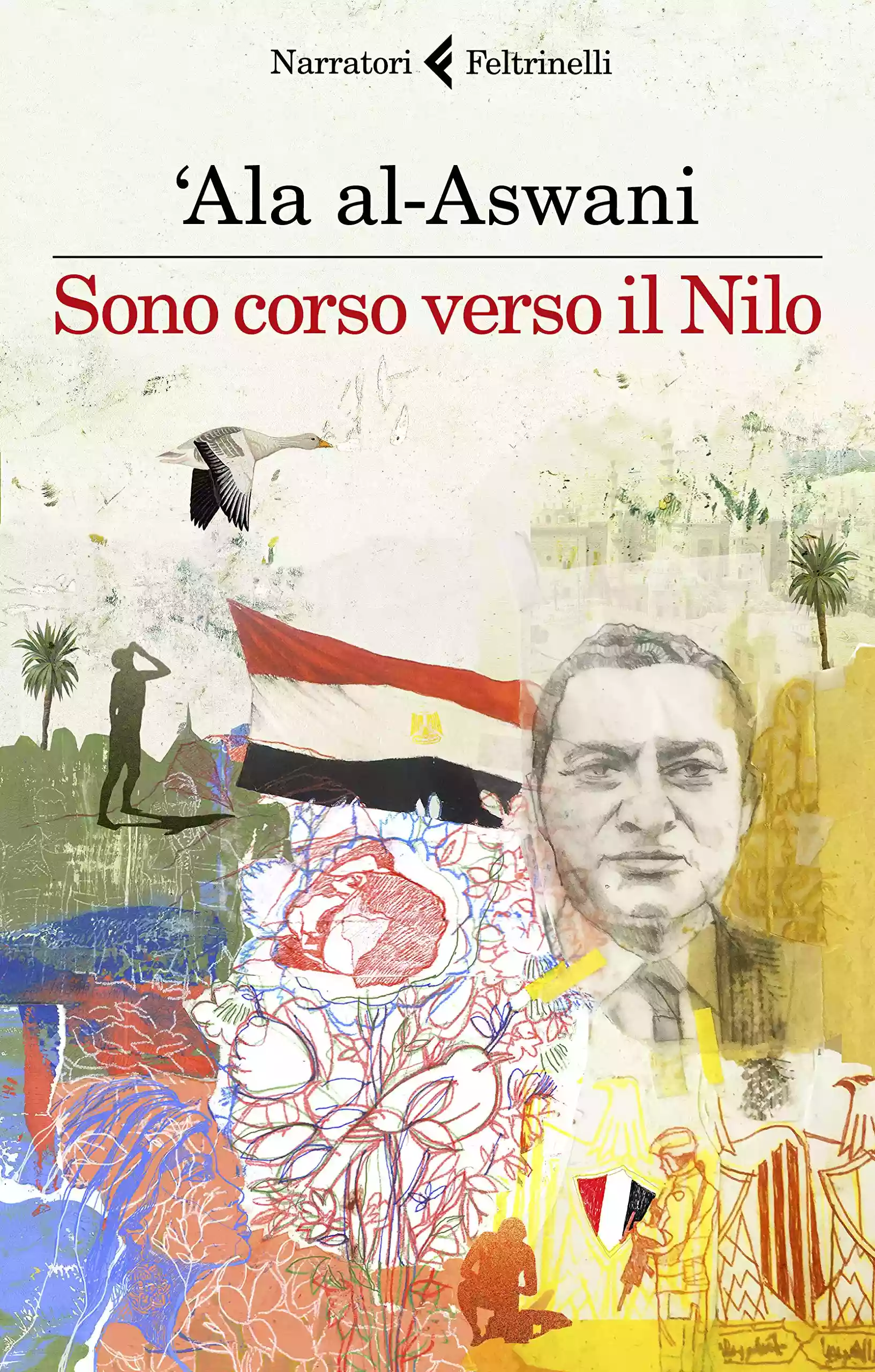
“I Ran Toward the Nile” is the last book I have read, written by ʿAlāʾ al-Aswānī in 2018, an Egyptian writer compared to the late Nagib Mahfuz (Nobel Prize for Literature in 1988).
I have read three other of his works in these recent weeks, namely “The Yacoubian Building” from 2002, rejected by many Arab publishers due to its themes (and now considered one of the bestsellers in the Arab world), published in Italy only in 2006, to which a film was added, based on the novel and presented also in 2006 at the Rome Festival under the same title.
Subsequently, I read “If I Were Not Egyptian” of 2004, a series of stories showcasing the various negative traits of Egyptians, ranging from vices (not unlike our own...) to malice, hypocrisy, envy, servility, and lack of respect towards everything and everyone, not without a good dose of corruption, themes I already found expressed in “The Yacoubian Building”.
Afterwards, I read “Cairo Automobile Club” from 2014, a bitter account of the foundation and operation of this institution run in the '40s by the British, who ruled Egypt as they pleased, where the themes are identical to the other novels and an unflattering portrayal of the Egyptian people and their rulers emerges (ehm, rule is the right word since "govern" is just a utopia).
In “I Ran Toward the Nile” we find the same negative themes, but this time it describes the youth uprising (repressed in every possible way up to murder and torture perpetrated by military/police services) known to us as the “Arab Spring” that would result in the major protests of “Tahrir Square” and lead to the resignation of the (corrupt/corrupter) dictator/president Muhammad Hosni Sayyid Ibrahim Mubārak.
Reading this book, I found myself more than once bitterly thinking that the atrocities continue to be perpetrated by those in power against the citizens, and consequently the tragic story of Giulio Regeni, crushed by the same Egyptian “apparatuses” described in the book, and nothing, indeed no, I doubt there will soon be (if there ever will be...) a truthful admission of what happened to him and that all the various politicians, military, and police officers involved will then be punished, because in the various books of ʿAlāʾ al-Aswānī one can read to what extent the long arm of the master (those in power) extends over its slaves (meaning not only its citizens but any human being who enters Egypt).
Loading comments slowly
Summary by Bot
‘I Ran Toward the Nile’ by ʿAlāʾ al-Aswānī portrays the harsh realities of Egypt’s Arab Spring and the ongoing oppression by those in power. The review highlights recurring themes of corruption, hypocrisy, and societal struggles found across the author’s works. The book offers a bitter reflection on Egypt’s political situation, drawing parallels to real-life tragedies such as the Giulio Regeni case. The reviewer rates the book moderately and appreciates its truthful and impactful narrative.
ʿAlāʾ al-Aswānī
Egyptian novelist known for works that depict corruption, social injustice and political repression; internationally known for The Yacoubian Building.01 Reviews
