
 •
Rating:
•
Rating:
THE REVIEW
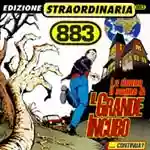
The 883. Alright, let's put aside for just a moment the usual judgments about Pezzali's "group", because here we're probably talking about the highest point (making due comparisons) reached by the Milanese musicians. Year of grace 1995, just two years earlier 883 had made themselves known with the hit "Hanno ucciso l'uomo ragno"; here the standards have largely changed compared to the beginnings. Pezzali's usual pre-adolescent lyrics certainly remain ("La Radio A 1000 Watt" and "Fattore S"), but they are better arranged, with greater use of keyboards and consequently, a greater predisposition to listening.
The turning point, however, is in the compositions that project directly into the pantheon of Italian classics of the '90s, whether one likes it or not: if "Tieni Il Tempo" was all the rage on the radios of the time thanks to its catchy accordion phrase, despite a relatively simple structure, "Una Canzone d'Amore" and "Gli Anni" literally marked a decade (the latter more than the former, to be fair), even if over time they tend to be diluted by lumping them together with everything else. If to these two pieces, you add others of more than decent value like "Il Grande Incubo", "Gli Avvoltoi", and "Ti Sento Vivere" and the overall good quality of the album, especially musically, it's clear why 883, for a short time, were a true cultural phenomenon in Italy.
After Repetto's farewell, 883 changed as well, increasingly in the hands of their leader with consequent drying up of the musical vein; and the image of Pezzali that is offered to us today is simply disheartening.
Loading comments slowly
Summary by Bot
This review highlights 883's 1995 album as a significant achievement in Italian pop music, with well-crafted compositions and memorable tracks that defined a decade. The album shows improved arrangements and iconic songs like "Gli Anni" and "Una Canzone d'Amore." Despite some immature lyrics, the music resonates and captures a cultural moment. The review also notes a decline in quality after lineup changes.Tracklist Lyrics Videos
883
883 were an Italian pop/pop-rock project initially formed as a duo by Max Pezzali and Mauro Repetto, breaking through in the early 1990s and becoming a major youth-culture phenomenon in Italy. Reviews repeatedly highlight their everyday, youth-focused storytelling and the later shift after Repetto’s departure, with reception ranging from affectionate nostalgia to harsh criticism of repetition and commercial decline.21 Reviews
Other reviews
By Milord
Love, friendship, desires, nostalgia: in one "word", 883.
If one day I could enter your dreams, I would like to draw my dreams on the blackboard of your heart...
By Darius
Listening to this album again, you can understand what 883 and their music were, simple but direct, banal but not predictable, perhaps crude but effective and successful.
The 883 can be unanimously considered one of the first groups/bands to address young people with an extremely blunt, simple, almost banal language, yet direct, effective, and possessing an energy.
