
 •
Rating:
•
Rating: THE REVIEW
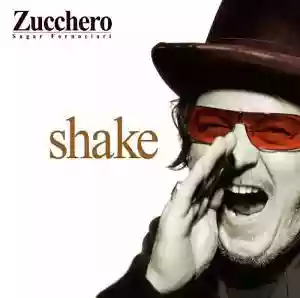
The latest "true" album by Adelmo Fornaciari (Zu & Co. is too sui generis to be compared to the others) may not be the most beautiful of the entire career of the famous bluesman from Roncocesi, but it still deserves to be listened to.
It's not possible to pinpoint a common denominator that would allow for all the "pieces" (there are 11) that Sugar offers us to be grouped together: however, certain trends can be observed. For example, the first three ("Sento le campane"; "Music in me"; "Porca l'oca") share a vibrant rhythm that recalls the funky – rock – blues vibes of America from over a century ago (a "hint" of this could be the places where these songs were conceived: Louisiana, Tutelo – Mississippi…). Then follow other more intimate melodies: "Ali d'oro", enriched by the voice of John Lee Hooker, the "noble father" of the album dedicated to him, the octogenarian bluesman who passed away shortly after; "Ahum", a deep journey through which one comes into contact with the most basic elements that exist within and around us: the natural elements (air, wind), and a time that seems simultaneously atmospheric and of the soul, a "non-place" where resides the "garden that you may never find" and where Sugar (but also each of us) hides. Truly beautiful (in my opinion, the most accomplished) "Dindondio", which seems to want to evoke the pure and clear Sundays of childhood, marked by the sound of bells and illuminated by symbols of peace and tranquility: swallows, flowers, bright May days... all accompanied by passionate melodic outbursts. And then there are the overused "Baila", where Sugar reconnects with his more "ignorant" tradition (like "Solo una sana e consapevole libidine", "Il grande Baboomba" and similar works) the twilight "Rossa mela della sera", where sensations are tinged with sunset colors and, finally, "Tobia", a sadly autobiographical song ("dedicated to my dog Tobia") in honor of the dog that is no longer present, where melody and lyrics are well matched (the latter being the work of a local legend: De Gregori, who has always done good service to Zucchero: think of "Diamante"). All this without ever forgetting, even amidst the "cosmopolitan" outbursts, the native Roncocesi with its dialect ("Ach pies i pir ach pies i pom ach pies la roba che ga' cal don"), a privileged channel through which passes the rawest and "peasant" nature of Sugar, accompanied by the usual erotic references, or rather – and more crudely – sexual ones (besides the mentioned dialect phrase and other references of the kind, think of "vai chica vai cocca che mi sa cocca che questa sera qualche cosa ti tocca", in "Baila").
The overall picture that emerges is that of a characteristic mixture between sacred and profane, between spirit and flesh, between poetic outbursts and echoes of childhood on one side and robust sex on the other, in the sign of an artist and a man who has "lost" himself many times and who never wants to "find" himself definitively.
Loading comments slowly
Summary by Bot
Zucchero's 'Shake' offers a diverse mix of blues, funk, and intimate melodies with no single unifying theme, yet rich with soulful rhythms and deep emotion. Highlights include collaborations with John Lee Hooker and a blend of poetic childhood imagery alongside bold, raw sexuality. The album balances sacred and profane themes, reflecting the artist's complexity. Though not his greatest work, it remains a rewarding listen.Tracklist Lyrics Videos
Zucchero
Adelmo Fornaciari (born 1955, Roncocesi) is an Italian singer-songwriter known by his stage name Zucchero. He rose to prominence in the 1980s with blues‑influenced pop, major albums such as Blue's and Oro, incenso & birra, and numerous international collaborations.35 Reviews
