
 •
Rating:
•
Rating:
THE REVIEW
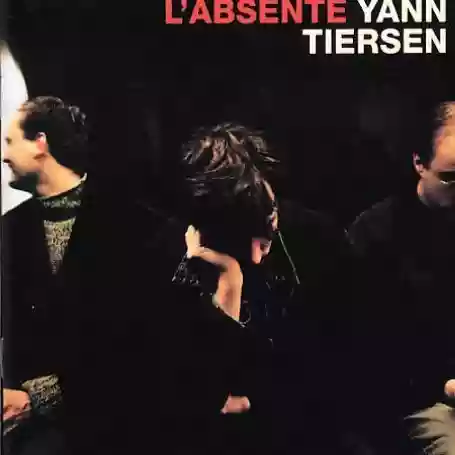
In some cases, an author manages to truly communicate something, a rarefaction, an urgency... an absence that shines through all the notes he composes. Our beloved Breton in this album chronologically pre-Amélie gets under the skin in late afternoons of days out of time, made of old toys discovered in the cellar, of broken bicycles, of sand in your shoes, of the moment you fall asleep on the metro and remember old, unimportant thoughts that still make you cry.
The imperfect loves of "La Parade" with its female voice that whispers to us, and we can almost smell her breath; the nocturnal interlude of "L'Echec", which is truly a waking up in the middle of the night and talking softly to the loved one, even if she isn't there, speaking in a soft voice, just for a little, not to disturb; the rhythm of "Bagatelle" and the humor of "La Lettre D'Explication": everything is always filled with a slow sadness and happiness at the same time, a joy tied to a lack that perhaps sublimates on those beaches where this music originates, in the north of France, in the region known as Finistère, at the end of the world. But Yann, the Corto Maltese of music, is like that, he is free to improvise with his melancholy, sailing from port to port, from the chanson "Le Jours Tristes", which shines even when stopping at simple songwriting, to the solo violin of "Qu'en reste-t-il" that concludes by assaulting the sky smiling and running. The center of the album is the title track, a dark piano piece and in some solutions even angry, where, thanks to a skillful but never abused use of the sustaining pedal, the notes of glances beyond that sea always stand out.
Out of time, a perpetual last day of summer.
Loading comments slowly
Summary by Bot
Yann Tiersen’s L'Absente captures an irreplaceable feeling of absence, blending sadness and joy. The album evokes nostalgic memories through its delicate melodies and rich atmosphere. Each track blends subtle vocals and instrumental mastery, transporting listeners to the coastal region of Brittany. The music’s mix of melancholy and humor highlights Tiersen’s unique compositional style. This album is a timeless experience, full of intimate, poetic moments.
Yann Tiersen
Yann Tiersen is a French composer and multi‑instrumentalist from Brittany, renowned for the scores to Le Fabuleux Destin d’Amélie Poulain and Good Bye Lenin!, and for albums that blend classical minimalism, folk textures and post‑rock dynamics.08 Reviews
