
 •
Rating:
•
Rating:
LA RECENSIONE
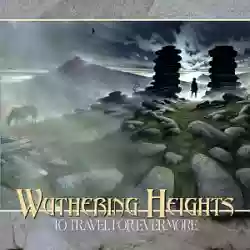
It is a true pleasure to discover that the CD purchased blindly and purely by chance in a used record store turns out to be a small masterpiece, capable of surprising and moving. "To Travel For Evermore" by the Danish Wuthering Heights is the second piece of a trilogy that can be considered a concept in its entirety; the theme addressed is that of a journey, understood as the journey of a man through life (the man, incidentally, is Eric Ravn, the band's leader, who described the whole work as very autobiographical).
Released in 2002, this technical and experimental album has pleasantly surprised me for various aspects, first among them the difficulty of placing it in a precise musical context: it is reductive to define it as progressive-symphonic, within it you can recognize styles and sounds ranging from the eighties to today. We find orchestral pieces, tracks with a medieval and epic flavor, folk nuances, and a good dose of power. These mutable atmospheres are seasoned (skillfully) with solos and arpeggios with a neoclassical flavor (in the Malmsteen style of the good times, to be clear), with excellent drumming that is appreciated also and especially for the use of odd times, and choruses, in full eighties style.
The album is a pleasure to listen to, and the tracks (although all of a certain length) fly by: I could mention “The Nevershining Stones” a small power gem enriched by excellent tempo changes, “Lost Realms” a great ballad with a neoclassical intro and intertwining choirs; the small suite “A Sinner’s Confession”, divided into three chapters, where the progressive component is more pronounced, and the sweet acoustic “River Oblivion”, which closes the album fading into a warm melody recalling the piece's title.
Noteworthy is also the presence of the Italian Lorenzo Deho on bass, from Time Machine (but he only appears as a guest star).
The album's only flaw: the guitars, although protagonists, in my opinion, are not recorded to perfection, and this is a real shame as a work of this level would have deserved a bit more attention during the recording phase.
In conclusion, it is a very interesting album that breaks away from the usual musical stereotypes, venturing track by track into different sounds, accompanying the listener on a journey that (I believe) will leave them pleasantly surprised.
Loading comments slowly
Summary by Bot
To Travel For Evermore by Danish band Wuthering Heights is a technically skilled and emotionally evocative concept album. It blends progressive, symphonic, folk, and neoclassical sounds into a diverse and enjoyable listening experience. The autobiographical journey theme adds depth, while standout tracks showcase tempo and stylistic variety. Despite minor flaws in guitar recording quality, the album impresses with its originality and musical craftsmanship.Tracklist
Wuthering Heights
Wuthering Heights are a Danish metal band formed in Copenhagen in 1997 by guitarist Erik Ravn. They are known for blending power and progressive metal with folk elements across albums like To Travel for Evermore, Far From the Madding Crowd, The Shadow Cabinet, and Salt. Later releases feature vocals by Nils Patrik Johansson.05 Reviews
Other reviews
By Hellring
"Too much power and not enough prog, too fast and not very 'thoughtful'."
"The debut is a halfway album, a product of the influences of Teutonic power groups and still not very personal."
