
 •
Rating:
•
Rating:
THE REVIEW
The debut with "Wild Life" in 1971 was not one of the happiest moments for the Wings. The work was put together very quickly and recorded at McCartney's home studio in Scotland, the album was also distinguished by the absence of the band's name on the cover, which created quite a few problems for Apple to promote it adequately. Subsequently, with sales not particularly exciting, a decision was made to add a sticker with the band's name and the association with McCartney.
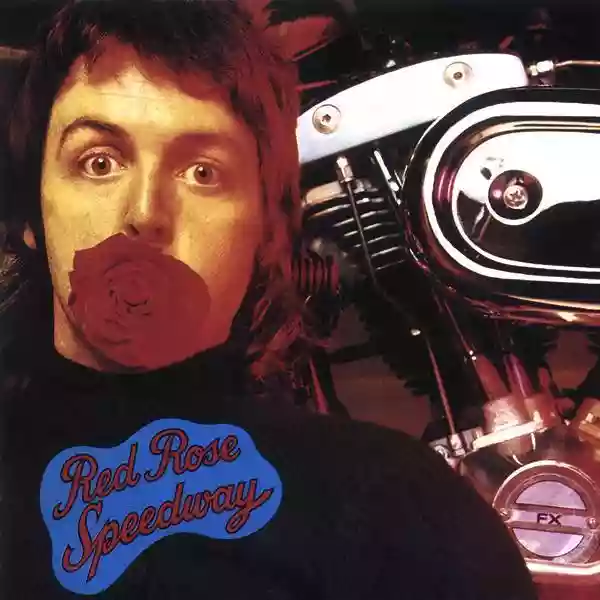
After a 1972 of apprenticeship between tours and the release of somewhat quirky singles ("Mary Had A Little Lamb"), 1973 will see the band chasing a more and more tangible success started with the single "Hi Hi Hi/C Moon". Paul has something very different in mind for the second album compared to the debut, and with the inclusion of Henry McCullough in the full lineup, the band has five members, and for the ex-Beatle, redemption must come. "Red Rose Speedway" initially was conceived as a double LP resulting from new material plus some leftovers from the "Ram" sessions, for Paul, the album had to be a fair balance between gritty instrumental tracks ("Jazz Street" and "Night Out") and delightful concessions to pop like the famous "My Love", already tested on tour the previous year. But the first version of the album was rejected. The Wings are fresh from the underwhelming sales of "Wild Life" and a double LP at that moment was considered pretentious and at high risk of being a flop. The Wings indirectly pay the price for Lennon's failure with "Sometimes In New York City" in 1972, a double LP composed of a pointless second disc of jam sessions and often irritating live tracks. The version that sees the light is thus devoid of much of the more interesting material that will end up in many bootlegs and never officially published again, this is a significant harm, and the final result is heavily penalized by EMI's cutting scissors. If "My Love" is Paul's most sugary romantic ballad, "Big Barn Bed" is the most decisive and captivating opener of the first solo McCartney, nothing to do with the rough chaos of "Mumbo" on "Wild Life". "When the Night" stands out for the first signs of the sound blend that will positively distinguish the group in the future, "Single Pigeon" is a pleasant song about loneliness but gets lost among the grooves of the album without great thrills. Among the instrumental tracks, the group manages to recover only "Loup (1st Indian on the Moon)", of clear Floydian matrix and with a stunning bass by Paul in great prominence. Curiously, the record was recorded in the studio next to the one used by Pink Floyd for "Dark Side of the Moon", engineer Alan Parsons divided his time between the two, and the Wings participated in the recording of many spoken vocal inserts on the colleagues' album.
"Red Rose Speedway" distinguishes itself for greater care in the sound and the arrangements and also in the packaging, which includes a very colorful booklet full of photos and drawings, but unfortunately, the published version is just a taste of what it initially was supposed to be. For example, the decent medley that closes the work was put together at the last moment once it was determined that it was impossible to release the double version. The cut material was perhaps intended by the band to end up on the next album, but curiously "Band On The Run" will see none of these tracks included. With the release of the new version on CD and vinyl, it is likely that the second disc will be added.
Loading comments slowly
Summary by Bot
The review reflects on Wings' growth from the commercially weak debut 'Wild Life' to the more polished 'Red Rose Speedway'. It discusses the album's evolution from a rejected double LP to a trimmed single disc, highlighting key tracks like 'My Love' and 'Big Barn Bed'. Despite its strengths, EMI's cuts somewhat hindered the album's potential. The review also notes the band's connection to contemporaries like Pink Floyd and anticipates future releases including lost material.Tracklist Lyrics
01 Big Barn Bed (03:52)
02 My Love (04:08)
03 Get on the Right Thing (04:17)
04 One More Kiss (02:30)
05 Little Lamb Dragonfly (06:20)
06 Single Pigeon (01:54)
07 When the Night (03:37)
08 Loup (1st Indian in the Moon) (04:24)
09 Medley (11:23)
12 The Mess (live version) (04:56)
13 I Lie Around (04:59)
14 The Mess (studio version) (04:54)
15 Tragedy (03:20)
16 A Love for You (05:11)
17 Best Friend (live version) (03:57)
Wings
Wings were a British rock/pop band formed by Paul McCartney after the Beatles, featuring Linda McCartney and longtime collaborator Denny Laine among a frequently changing lineup. The group released a run of major 1970s albums and toured extensively, including arena-scale shows documented on live releases and films.26 Reviews
