
 •
Rating:
•
Rating: THE REVIEW
Initially born as a solo project by the late Terje Bakken (better known by his stage name Valfar), Windir ("warrior" in the Sogndal dialect), belong to that subgenre that perhaps most closely aligns with our "common" vision of the Scandinavian countries: we're talking about the mix between black/folk/viking metal. Combining black metal, often likened to a dark, cursed genre, and so on, is certainly possible, as Windir demonstrate, but not only (let's also remember Enslaved or Borknagar).
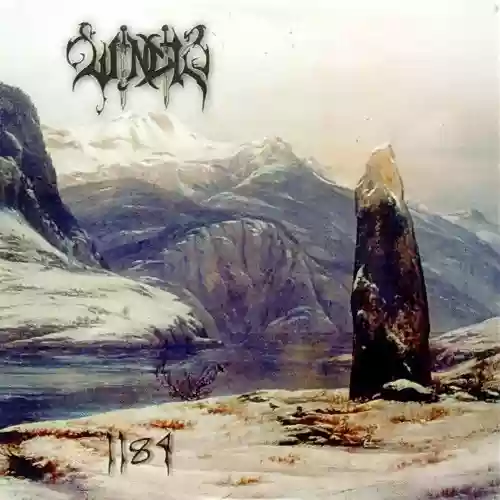
A peculiarity, even before talking about the purely technical side of the tracks, is the use of the dialect, from which the band takes its name, in the same lyrics of the album, perhaps emphasizing the heartfelt belonging to the Nordic lands. The same lands so evocative and cold, where Valfar would meet his death by hypothermia. The first thing that stands out about the album is certainly the stunning cover, almost a general summary of Nordic beauties. All of this enriched by the presence of a figure that seems to be wandering in search of something lost since time immemorial and in all of this, it's almost as if we can imagine Valfar himself, in a sort of incredible premonition, of the tragic and incredible situation, which would lead to the death of this excellent group's leader.
The album opens with the excellent intro "Todeswalzer", an aggressive intro, surrounded by an atmosphere curated and never too intrusive of Righ's keyboard, supporting the aggressive riffs of Strom and Sture Dingsøyr; essential, of course, to conclude, is the blast beat, well provided by Steingrim.
The title track "1184" plays on the use of the keyboard and rhythm guitar to recreate an atmosphere that almost seems to take us back in time, into the ancient traditions of Nordic myths and legends. The recreated melody seems, at certain moments, almost too repetitive, yet at the same time so hypnotic, only to be completely shattered by Valfar's angry voice.
"Dance of Mortal Lust" is practically a continuum of the previous title track, indeed it is difficult to notice the clear detachment between the two melodies, which are created and found between the two songs.
Also fantastic are "Heidra" and the subsequent "Destroy." The latter in particular opens like a battle march, then spills into real war. This is made by the frantic rhythm of Steingrim's drums, Valfar's angry voice (sometimes supported by other members of the group), guitars that seem to want to leap from the speakers with their sound and take us into a mystical, fantastic world, but perhaps underneath, even too dark.
At this point, we reach the penultimate track "Black New Age," a sweet melody that caresses us and leads us toward the conclusion of the album, which could not have a better name than "Journey to the End."
The final track almost requires a separate review. Indeed, if the first part of the song is clearly related to the rest of the album, you will notice well towards the middle of the same song, a clear detachment from the typical melodies of the rest of the album. Part entirely recreated with synth and drums, which might wrinkle the nose of many, but which I found quite pleasant and well-integrated in an album that, for the rest, is difficult to harshly criticize.
Loading comments slowly
Summary by Bot
Windir's 1184 is a compelling blend of black, folk, and Viking metal that deeply connects with Nordic culture and mythology. The album features powerful melodic riffs, atmospheric keyboards, and intense vocals by Valfar. Notable tracks include the hypnotic title track, aggressive war-themed songs, and a surprising synth-driven finale. The review highlights the album's emotional depth and technical strength, praising its authenticity and unique sound.Tracklist Lyrics Videos
Windir
Windir was a Norwegian metal band formed by Terje "Valfar" Bakken as a solo project. The band was active 1994–2004 and ceased after Valfar's death in 2004.02 Reviews
