
 •
Rating:
•
Rating:
THE REVIEW
We are numb agatopists in a perpetual search for satisfaction, agitators of sudden gnegnera, indeed, nothing more than divers of the unusual, part-time resuscitators of proverbial pearls before swine. But do not forget, swaying auscultators at every step, as this William Onyeabor seems to tell us, that music exists above all to burn extra calories and make you feel divine. And I, modestly, if of the second mode d'être I may once have had the rarest glimmers, of the first I have no experience whatsoever.
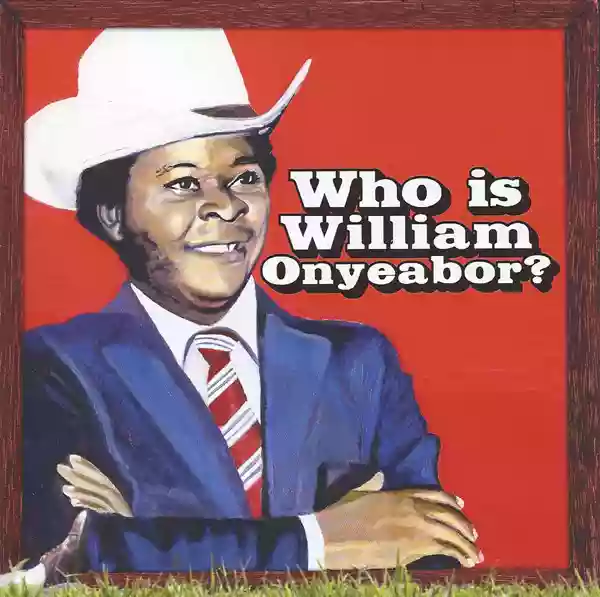
Nonetheless, I would like to recount to you the story of this here cowboy from Nigeria. Let's get down to it: William Onyeabor, who is he? — this is the title of the bombastic compilation put out by the byrnesque Luaka Bop. I too, like all of us non-Nigerians yet 'nfoiati di funk d’antan, had the burden of discovering the flaming music of the aforementioned thanks to that post-colonial label. Diomede! Long live D.B., come what may.
Alluring like few others, this enigmatic musician apparently had a rather modest life, which, however, I will not tell you about. What do you want from me? For goodness' sake, ask Lector: he is the chronicler of musicians forgotten by God and men, the dealer of the aforementioned pearls before swine.
What matters is that Willy O. is the author, between the second half of the fleeting Seventies and the middle of that plastified decade destined to follow it, of a handful of glittering records, at the very least enticing, not to say bedazzling. It is the rhythm, needless to say, that reigns supreme. And the voice—of the master—follows with a syncopation that’s no joke. The best tracks, or at least most of them, have been assembled in this collection, though these tracks are anything but collected: they’re overflowing, brimming, and all of the above. Pieces sometimes almost ten minutes long, obsessively repeating just a few harmonic rounds, but as soon as they’re over you want to listen to them all over again.
Onyeabor is a country priest one instinctively grows fond of. Forget spiritual, here we travel faster and more obliquely, not quite vertically. Above all, we like him because he gets butts moving (and the heads follow, as you know), with his groovy sermons without a pulpit, as if the synthesizer itself became the church organ and the sequins ecclesiastical vestments. I can’t tell you anything else, except: amen, go in peace.
Loading comments slowly
Summary by Bot
This review delves into the vibrant soundscapes of William Onyeabor's influential compilation. It praises the album's unique blend of funk and psychedelic influences, highlighting Onyeabor's enigmatic yet powerful presence in music. The reviewer appreciates the timelessness and freshness of Onyeabor's sound. The compilation is celebrated as a gateway to African experimental music. The tone is upbeat and recommends exploring Onyeabor's catalog.Tracklist Videos
William Onyeabor
William Onyeabor was a Nigerian singer, songwriter, producer, and pioneering figure of synth-driven funk. He self-released a string of albums between the late 1970s and mid-1980s, characterized by hypnotic grooves, electronic keyboards, and drum machines. His music reached a global audience with Luaka Bop’s 2013 compilation “World Psychedelic Classics 5: Who Is William Onyeabor?”.01 Reviews
