
 •
Rating:
•
Rating:
THE REVIEW
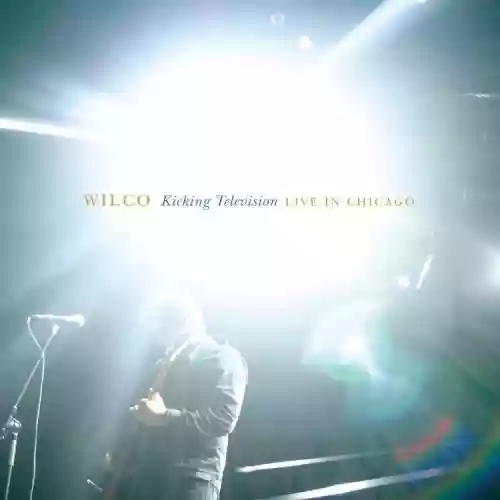
For 36 times. The ending of "Misunderstood" Jeff Tweedy repeats it 36 times. Misunderstood, indeed. And to think that it's a simple word, "nothing." But he can do it. At all.
That day in Chicago there was a strong wind, but it was an amplifying wind. A wind that carried the smell of the countryside, a scent that would have woken even Prince Valium. Wind that took me back to September 6th, when in an almost empty Mazda Palace, the Wilco intimately sent everyone present into ecstasy. Attending a Wilco live is like participating in a sacred performance. One cannot remain indifferent and time, understood as the generational gap and erosion of matter, resets. My mother is a witness to this. She still doesn't know how to pronounce it well "Willow, Vilcon" but there are more times I come home and there's Wilco playing than dinner.
Do you want to know why Wilco works so well? Because it never crossed their minds to discard an ear of their homeland's musical tradition to be avant-garde, to invent something new, to be the next big thing. They simply pulled out the instruments from the sack and started playing like their fathers, sifting, pausing, getting singed, laughing, driving. What critics call alt. folk or psych. folk isn't even that wrong, but it reeks too much of label, of barcode, of smoked salmon.
Let's be simple for once. Let's say that in "Late Greats" a distorted guitar can sound like a wind instrument. That "Hell Is Chrome" is like being rocked by King Kong. That Glenn Kotche's drums in "I'm Trying To Break Your Heart" sound like the Goddess Khalima. That a metal guitar can go hand in hand with a piano, read "A Shot In The Arm," and can even bring it to the theater. That any "Hummingbird" makes you crave a picnic like you wouldn't believe. That a "Heavy Metal Drummer" can fall in love with a woman and not just her chips. The part for the whole with Wilco doesn't work.
Loading comments slowly
Summary by Bot
This review praises Wilco’s live album Kicking Television for its authentic blend of alt-folk and heartfelt emotion. The live Chicago performance is described as a sacred event where music and tradition unite seamlessly. The reviewer highlights the band’s commitment to musical roots and innovative instrumentation with vivid imagery. Overall, the album is celebrated as a timeless and captivating live experience.Tracklist Lyrics Videos
Wilco
Wilco is an American band formed in 1994, originating from the breakup of Uncle Tupelo and led by songwriter Jeff Tweedy. Across their discography they’ve moved from alternative country roots into a broader indie-rock and Americana palette, and are widely recognized for both studio experimentation and strong live performances.19 Reviews
