
 •
Rating:
•
Rating: THE REVIEW
What do you say, shall we take a trip to Finland? Yes, why not, there are so many beautiful things to see: forests that cover 70% of the territory, the countless glacial lakes (almost 188,000), the reindeer farms in the tundra inhabited by the Sami people... Oh, but we need to talk about music? OK, then let's start from 1967, the year when Blues Section was born, the first in their country to move away from the universally recognized beat-pop language and lean towards certain jazz sounds, without losing the accessibility of their musical proposal. This formation had a short life because, after a year and a half and the release of a self-titled record, they disbanded, but from their ashes arose the two pillars on which the entire Finnish prog scene developed: Tasavallan Presidentti and Wigwam, about which we will now say two or three things.
The band was founded in 1969 by Ronnie Österberg, former drummer of Blues Section, and also featured the participation of British-born singer Jim Pembroke, who was also previously part of the group we just mentioned. In addition to the two long-time companions, we find Mats Hulden on bass, Nikke Nikamo on guitar, and Jukka Gustavson on organ and piano, as well as vocals on the pieces he wrote. The two singers, being the main composers and moreover working separately, contributed to creating two distinct styles within the band, as can be seen from the first record "Hard 'n' Horny", where one takes care of the material on side A, while the other takes over side B. In 1970, the release of "Tombstone Valentine", saw the arrival and already decisive contribution of the group's third historical composer, as well as a multi-instrumentalist handling bass, guitar, violin, and keyboards: Pekka Pohjola, who came to fill the vacancy left by Mats, determined to continue his studies, and Nikke, who left after some heated discussions with producer Kim Fowley.
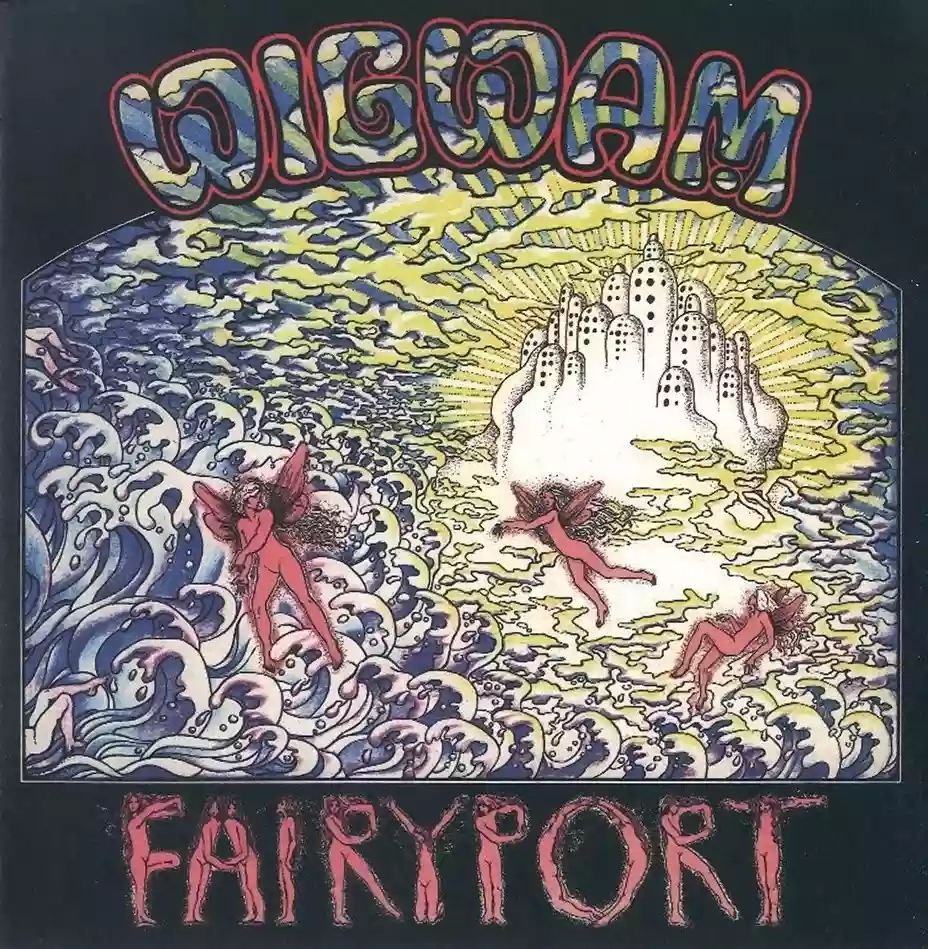
A year later, their third musical endeavor, "Fairyport", characterized by a wide sonic variety, yet at the same time an equilibrium among the various compositions, produced by the three minds leading the project, of rare excellence and harmony, sees the light of day. The episodes where the progressive imprint is deeper, bear Jukka's signature and develop on the tones of organ and piano, dazzled by the splendid voice of the keyboardist, with a timbre at times very Gabriel-like, supported by Ronnie's drumming, sometimes calm and gentle (Gray Traitors - Caffkaff, the Country Psychologist), sometimes agile and unpredictable (Losing Hold - the only track written with the help of the other two composers). Jim takes care of the shorter and more immediate pieces, but not less interesting, because the light rock of "Rockin' Ol' Galway" and "How to Make it Big in Hospital", where guest guitarist Jukka Tolonen also appears, is contrasted by the intimacy of "One More Try" and the concluding "Every Fold", both surpassed in grace only by the disarming sweetness of "Lost Without a Trace" where piano and acoustic guitar manage to emit sounds so delicate they seem like caresses.
The territory dominated by Pekka, purely instrumental, sees the bass and piano go hand in hand, pursued by the now more determined rhythm of the drums and enriched by fleeting harpsichord appearances (P.K.'s Super Market) or intense violin incursions (Hot Mice - a tribute to the Hot Rats of Zappa's memory...), the latter also accompanied by wind instruments, composed of the clarinets of Unto Haapa-aho and Risto Pensola, the saxophones of Eero Koivistoinen and Pekka Pöyry, the bassoon of Tapio Louhensalo and the oboe of Ilmari Varila. The wind section enters the scene especially in the instrumental digressions of the longer tracks, like the melodic "May Your Will Be Done, Dear Lord" or the wonderful "Fairyport", both the result of the usual Jukka's inexhaustible compositional genius, infallible here too with his incredible pianistic skill and his very particular but extremely convincing singing.
Originally, the work was released as a double album, containing a long live jam-session called "Rave-Up For the Roadies" (also present in the CD version), played masterfully but penalized by a recording quality not among the best and anyway not very in line with the rest of the record. After the subsequent Being of '74, the historic four-piece formation will dissolve, but Wigwam will not end with it as the two founders Ronnie and Jim will create a new incarnation of the band, while Jukka and Pekka will focus on their solo projects, which we might talk about, one day or another...
Loading comments slowly
Summary by Bot
The review explores Wigwam's 1971 album 'Fairyport,' highlighting its rich progressive rock sound and the balanced contributions of the band’s three main composers. It praises the album's sonic variety, melodic excellence, and the instrumental proficiency of members like Jukka Gustavson and Pekka Pohjola. The review also touches on the band's origins and the broader Finnish prog rock scene. Overall, 'Fairyport' is celebrated as a harmonious and distinguished work in the genre.Tracklist
Wigwam
Wigwam is a Finnish progressive-rock band founded in 1969 (formed from members connected to Blues Section) whose early lineup included Ronnie Österberg and Jim Pembroke, with key contributors Jukka Gustavson and Pekka Pohjola.02 Reviews
