
 •
Rating:
•
Rating:
THE REVIEW
Conflict, understood in the broadest sense of the term, is the cornerstone and driving force of many social dynamics, the center of change, leading to the exchange of various perspectives. And, most importantly, it metabolizes different premises to produce new results.
In the narrow musical realm, artistic-behavioral tensions and divergences are intrinsic and crucial components in a band's alchemy. Thanks to these ever-present conflicting dynamics within the group, the West Coast Pop Art Experimental Band was able to produce music that, while not indispensable, remains a brilliant example of West Coast psychedelia.
Nothing more than a group of teenagers when they recorded their first tracks in 1966, they had the (mis)fortune of meeting a wealthy lawyer, Bob Markley, during a private Yardbirds concert at his villa in L.A. With him, they found money, a recording contract, and the aforementioned tensions, which, while undermining their artistic activity on one side, served as their motivational engine on the other. Markley was the typical daddy's boy who happened to stumble into the hippie fervor of the period, utterly unable to play anything, but with a very clear idea in mind: women. His exact words. Not content, this skirt-chaser managed to outwit the others, becoming the sole holder of the rights to their music.
Despite all these drawbacks, the W.C.P.A.E.B. managed to produce four albums, of which only the first is unnecessary; among the remaining three, the most cohesive and with the best atmospheres is perhaps the second.
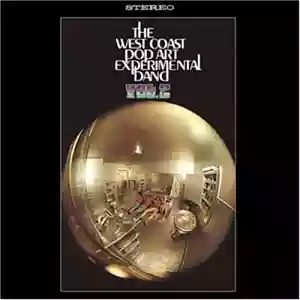
"Vol. 2" is preferred mainly for the simultaneous presence of the band's two souls: the naive and very freak side of "Smell Of Incense", a milestone of dreamy psychedelia, a very successful attempt to render the hippie dream into music, and the dark and outwardly committed side of the anti-militarist tribal anthem "Suppose They Give A War And No One Comes", the best track of their career and one of the few where Markley sings. The rest goes up and down: the opening "In The Arena", which satirizes the Watts riots of '65, has a great groove unexpectedly interrupted by impromptu vocalizations, "Unfree Child" is full of psychedelic nooks to hide in, "Carte Blanche" has a strange garage grimace, and "Queen Nymphet" raises the sugar level in the blood a bit too much.
So, we are not talking about a fundamental band or album but a production that, if thoroughly examined, can offer unexpected joys. I add, just to debunk a myth, that the group did not use any kind of drugs.
Loading comments slowly
Summary by Bot
The review highlights the internal conflicts that propelled West Coast Pop Art Experimental Band's creative output, focusing on their 1967 album Vol. 2. It praises the album for blending dreamy psychedelia with darker, socially conscious themes, particularly spotlighting tracks like 'Smell Of Incense' and 'Suppose They Give A War And No One Comes.' While acknowledging imperfections, the reviewer finds unexpected joys in the album's diverse sounds and historical context.Tracklist Videos
West Coast Pop Art Experimental Band
An American Los Angeles–area psychedelic rock group of the 1960s that released four albums in the late 1960s; their activity was notably affected by the involvement of Bob Markley, a wealthy lawyer who secured control of the group's rights.01 Reviews
