
 •
Rating:
•
Rating:
THE REVIEW
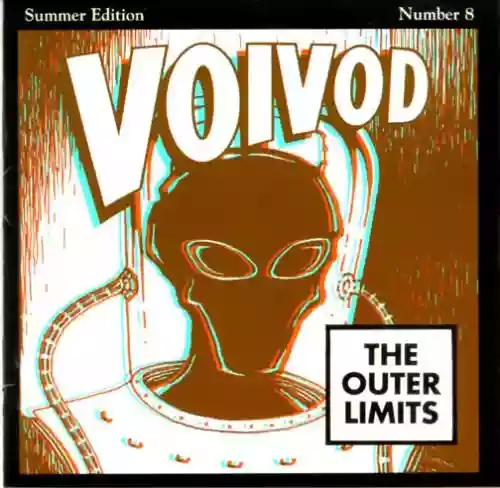
The Voivod discovered to their cost in 1991 that the years of thrash and streetwise metal were over. However, demonstrating that they had become a mature band, they quickly and gracefully buried the flop album “Angel Rat”; grace that permeates the entire subsequent release of '93: “The Outer Limits”.
“The Outer Limits” is the album where the band's progressive shift definitively takes hold. Practically speaking, we're talking about a greater emphasis on melody in compositions, a greater use of psychedelic sounds, and, rhythmically, obviously less regularity. The themes, however, remain more or less the same, strongly tied to cyberpunk culture.
The listening experience, however, begins, just to contradict myself, with a track that recalls the old days: engaging heavy metal, very biker style and Judas Priest-like. "Moonbeam Rider”, even the title evokes Pink Floyd-like images, yet the experimentation stops at ultra-reverberated riffs and arpeggios and a more catchy chorus than the usual thrash standards.
The transition is gradual, but we’re already there: “Le Pont Noir” is pure metal psychedelia, beautiful and mutating, to the point that it later explodes into a progressive and syncopated fury, only to close as it began. At this point, Voivod no longer surprise; the immersion in psychedelia reaches its peak with “The Nile Song”, and for the second time in their history, after “Astronomy Domine”, the Canadians embark on the reinterpretation of Pink Floyd songs. Once again, the result is more than good.
Track number five, “The Lost Machine”, real progressive rock now emanates from the instruments in the form of aggressive riffs, but permeated with madness and very technical and powerful bass lines.
A title that has little to do with metal introduces one of the album's most eccentric tracks.
“Time Warp” is a track that simultaneously recalls: the glam-stained hard rock of Judas from "Living After Midnight," the extreme technique of Megadeth from "Rust In Peace," and the progressive melodies that we will find a year later in some parts of "Awake" by Dream Theater.
How to define the seventh track? Completely nonsensical? Genius-like? Simply TOO long? Certainly, after a few listens, “Jack Luminous” will appear to be just quite nerve-wracking; continuing consistently, I concluded that it's illogical, but still too complicated to be fully enjoyable.
Tracks nine and ten are respectively comparable to Queensryche and the thrash punk rock of Motorhead.
A peculiar album that does not capture attention, but once deciphered, one cannot help but appreciate it if one loves American metal culture.
Loading comments slowly
Summary by Bot
Voivod's 'The Outer Limits' marks the band's mature shift from thrash to progressive metal, featuring melodic, psychedelic sounds and complex rhythms tied to cyberpunk themes. The album balances heavy metal roots with experimentation and homage to Pink Floyd. Despite some challenging longer tracks, the album rewards attentive listeners who appreciate American metal culture and innovation.Tracklist Lyrics Videos
Voivod
Voivod are a Canadian metal band from Quebec known for evolving from early punk-tinged thrash into a distinctive blend that incorporates progressive, psychedelic, and futuristic/cyber themes. Reviews repeatedly credit drummer Michel “Away” Langevin for artwork and rhythmic drive, and guitarist Denis “Piggy” D’Amour for the band’s defining guitar language.19 Reviews
