 •
Rating:
•
Rating:
THE REVIEW
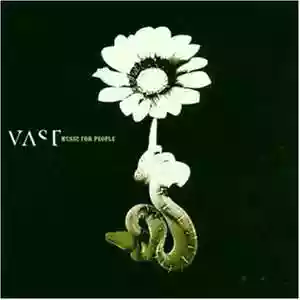
The second installment of the Vast saga by Jon Crosby is an open-hearted declaration of love towards melody. Every single note of this wonderful album is infused with it, even cleaner and more refined than the debut. Musically, the stronger sounds, products of industrial influences, are abandoned. Despite the names involved in the production of the album, including Alan Moulder (NIN) and David Botrill (Tool), the sounds become more polished, acoustic guitars take precedence over electric ones, which are limited to just a couple of tracks, and the tones generally become much more positive.
Anger has made way for joy. This is apparent even in the only track that could be considered in line with the '98 debut: “Free.” Here, the metallic power of the guitars is channeled into an anthem of freedom, which has little to do with some of the angry performances of the past. Powerful tones are still felt in “The Gates Of Rock'n'Roll,” “Song Without A Name” and partly in another symbolic track, the memorable “The Last One Alive,” where it's especially the acoustic atmospheres that lead the listener's ears into the fantastic world of “Music For People.” Pure and delicate melody is the absolute protagonist of the rest of the album: some songs are truly unforgettable: “I Don’t Have Anything,” “Blue,” “A Better Place,” “We Will Meet Again” and the concluding instrumental with ambient tones “Lady Of Dreams,” all pieces that leave a mark on the listener's heart and inevitably provoke a sense of inner peace. Here, all of Crosby's love for the '80s emerges: The Cure, Depeche Mode, U2, Joy Division, etc.
Two tracks stand somewhat apart from the tones of the album: “Land Of Shame,” which sounds like an electrified country song, and “My TV And You,” a little trip into the old Industrial neighborhood where Reznor and company lived, but with more of a bubblegum attitude, like chart-topping Manson. The formal elegance and intimacy of the melodies make this work an attempt at achieving a popular form of music that still presents as alternative. An attempt that could not have succeeded better, except that the world didn't quite notice it, allowing to pass unnoticed what is, indeed, a masterpiece, suitable even for an ear not well-tuned to less ordinary sounds.
Loading comments slowly
Summary by Bot
Vast's 'Music For People' marks a refined evolution from their debut, embracing cleaner, acoustic melodies and a more positive tone. The album distances itself from industrial sounds, focusing on joyful and polished compositions with clear '80s influences. Key tracks like 'Free', 'The Last One Alive', and 'Lady Of Dreams' showcase the heartfelt and intimate nature of the music. Despite high-quality production and memorable songs, the album remained underappreciated.Tracklist Lyrics
VAST
VAST is the American alternative rock project led by Jon Crosby. Blending melodic rock with industrial/electronic textures and sampled choral elements (Gregorian and Indian chants), the project debuted with Visual Audio Sensory Theater (1998), followed by Music for People (2000), Nude (2004), Turquoise & Crimson (2006), and the acoustic-leaning April (2006).05 Reviews
