
 •
Rating:
•
Rating:
THE REVIEW
Criticism can sometimes be profoundly ungenerous, if not downright cruel, especially towards the most generous of artists, those who see musical adventure as a 360-degree giving to the ears of the world. It happens, then, that people forget how behind the "music man" there is always a human being with all of their personal vulnerability; and, even more absurd and reprehensible, they forget how this painful burden is often the lifeblood of works that are too quickly relegated to oblivion.
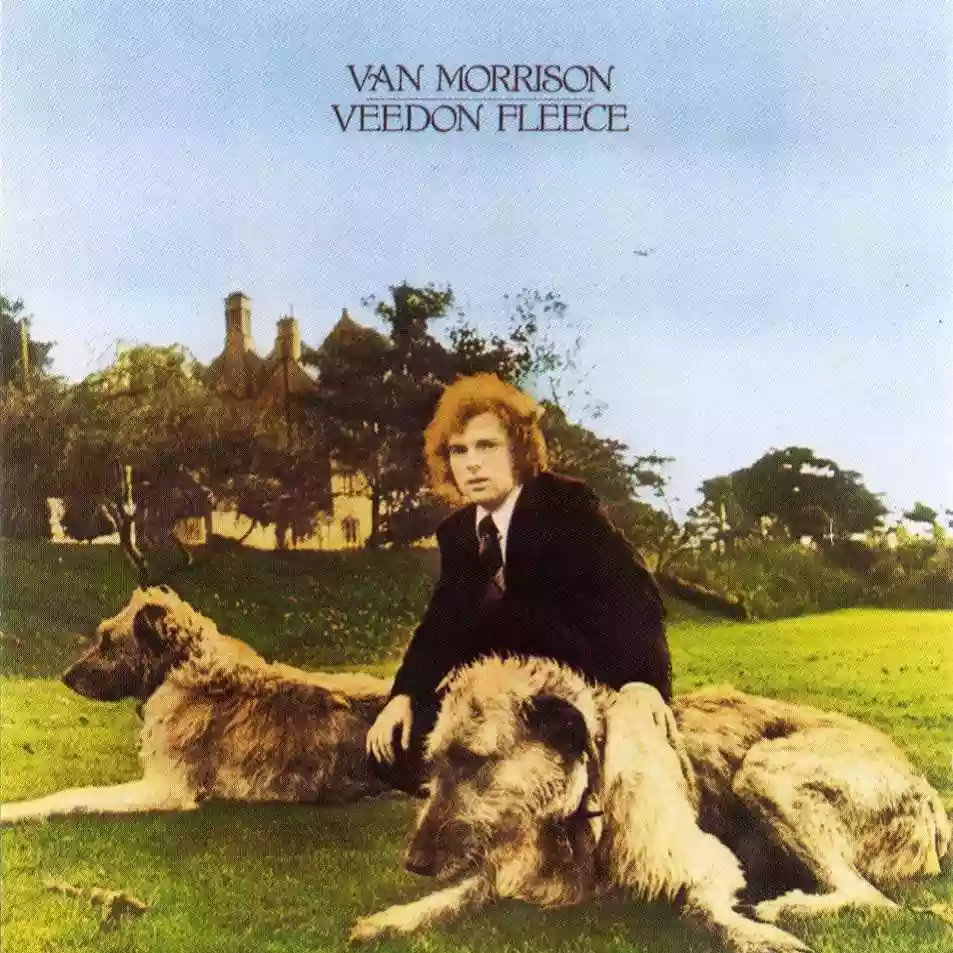
This seems to be what happens to Van Morrison at the dawn of 1974, at the peak of what had been his golden five years (from the glory of "Astral Weeks" onwards). It's almost as if the Van on the cover of "Veedon Fleece" seems like a different man. His melancholic gaze, immersed "into the mystic", is still his, but the vaguely "Pet Sounds" scenario clearly speaks of a desire for home and introspection. The story with Janet, not long ago celebrated in the joyful and proud singing of "You're My Woman" (from the remarkable "Tupelo Honey", 1971), is now sadly archived. An abyss opens that will lead Van to a profound rethinking (not only artistically), interrupted in part by the superb, unexpected second youth of "Into The Music" (1979) and resumed with different tones and modes in the 'Irish' phase of the '80s. Critically maligned, if not outright dismissed, at its release, "Veedon Fleece" pays the price for the challenging label it carries: that of a watershed album between two different artistic lives of Van Morrison.
Difficult, slow, and introspective, at times grumpy (the neurotic guitar of "Bulbs", the only concession to a pop vein absent since "Jackie Wilson Said"), it is a work that wrongly received a cold and dismissive reception. Yet, for those who approach it without distrust, it can truly become something like a sincere friend; one of those companions that doesn't abandon you in the heart of a weary autumn evening. Given that we are light-years away - not in terms of quality but in thematic setting - from the frenzied poetic breath of a "Madame George" as well as from the robust adrenaline shocks of gems like "Glad Tidings", "Domino", "Wild Night" - it can well be said that the poignant lament of "Fairplay" is an unforgettable opening. And unforgettable are the "louisarmstrongian" trills closing the dark elegy of "Cul De Sac", the heartfelt plea for presence in "Come Here My Love", the conciliatory and protective melody of "Comfort You".
I challenge anyone, then, to find in our man's vast discography something that comes close to the soulful vocal modulations of "Who Was That Masked Man" or the anarchic cry of nostalgia of that dive to the heart that is "Linden Arden Stole The Highlights". Certainly, someone will be left counting the minutes of "You Don't Pull No Punches", longing for the lively 'dancing' energy of "Caravan" or the entrancing piano of "Saint Dominic's Preview", but the ground on which we tread is different and ultimately, it matters little: the friend speaking to us is the same one who has accompanied and continues to accompany us through the twists and turns of an unparalleled artistic-existential experience, and he deserves unconditional listening.
Loading comments slowly
Summary by Bot
This review highlights Van Morrison's 1974 album Veedon Fleece as an underrated masterpiece reflecting deep introspection and personal vulnerability. It contrasts the album's slow and melancholic tone against his earlier more energetic works. The reviewer defends the album's artistic merit and emotional depth, urging listeners to embrace its unique qualities. Veedon Fleece emerges as a sincere companion in Van Morrison's discography, bridging two distinct phases of his career.Tracklist Lyrics Videos
Van Morrison
Van Morrison (born George Ivan Morrison) is a Northern Irish singer-songwriter and musician known for blending rock, folk, blues, jazz and soul across a long career beginning in the 1960s.34 Reviews
