
 •
Rating:
•
Rating:
THE REVIEW
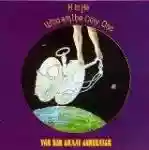
In 1970, right after "The Least we can do is wave to each other", for some considered their first true album, VDGG released "H to He Who Am the OnlyOne". It is a work that stands among the classics of their discography and features the notable guest presence of Robert Fripp from King Crimson, with his guitar in "The Emperor in His War Room".
The album opens with one of the group's most beloved classics among fans, "Killer", a very effective and immediately impactful track characterized by a striking sax and organ "riff" and Hammill's "expressionist" voice at the peak of his vocal abilities. The song tells the story of a monster from the depths, speaking of love and death. The following track, "House With No Door", is a very sweet gothic-romantic ballad (yet pervaded by an atmosphere of death) with Hammill on piano accompanied by Jackson's flute: we find ourselves in front of another timeless classic from VDGG, a track with a very effective and hauntingly poetic melody that borders on the sublime. The atmosphere always reminded me of Edgar Allan Poe's tales.
The second part of the album is characterized by the presence of three mini-suites, which demonstrate how the group was laying the "programmatic" groundwork for the next album, positioning themselves, although in a unique way compared to the competition, among contemporary groups of the time like ELP, Yes, and Genesis. "The Emperor in His War Room" (featuring the aforementioned Fripp) and "Lost" are fragmented and at times hyperbolic, though "The Emperor…" appears more compact and cohesive: the atmosphere is sepulchral and of black science fiction. "Pioneers Over C" is instead a long science fiction epic that begins with the hiss of an oscillator and then unfolds epically thanks to the celestial organ sounds of Banton and Hammill's apocalyptic-cosmic lyrics, once again revealing the stature of his "songwriting".
In essence, "He to H.." can be considered the album of VDGG's international consecration, who would soon reach mainstream success with the epochal masterpiece "Pawn Hearts".
Loading comments slowly
Summary by Bot
This review praises Van der Graaf Generator’s 1970 album 'H to He, Who Am the Only One' as a classic in progressive rock. Notable features include Robert Fripp’s guest guitar work and standout tracks like 'Killer' and 'House With No Door.' The album combines gothic and science fiction themes within complex musical suites. It marks a key step toward the band’s mainstream success with their next release.Tracklist Lyrics Videos
Van der Graaf Generator
Van der Graaf Generator are an English progressive rock group led by Peter Hammill, noted for a dark, dramatic, organ-and-sax-driven sound and intense theatrical vocals. Formed in the late 1960s, they were influential in early 1970s prog, split in the late 1970s and reunited in 2005.35 Reviews
Other reviews
By MuSo
Epic, monumental, aesthetically beautiful, diverse.
No need to beat around the bush.
By alan clark
You’re immediately hit by the killer riff of 'Killer' with its flutes and sax; Hammill’s desperate and ruthless voice narrates a monster’s solitude that reflects all of us.
Van Der Graaf Generator has often been labeled as 'dark' — unfairly so — this album is dominated by emptiness and bewilderment rather than darkness.
