
 •
Rating:
•
Rating:
THE REVIEW
We are in 1971, and Uriah Heep is still in the phase of maturing. The band's first album, Very 'eavy Very 'umble, presented the band in a yet "embryonic" state. The next one, Salisbury, however, while beginning to define what would become the band's distinctive sound, is a true experiment. Defining this album as rock (or hard rock) is rather reductive; inside it, we find jazz, blues, progressive rock, metal (!!), and classical. It's precisely this orgy of genres that elevates the quality of the album to make it a masterpiece, as well as technically rich and interesting.
The first genre touched by the band is hard rock, almost bordering on metal, in an engaging and powerful track, the first, Bird of Prey, in which the late Byron showcases all his vocal abilities. At the end of the track, the motif changes: it opens with the guitar in a bluesy solo and then returns to a more rock riff. The complete genre change occurs similarly in the next one, The park, consisting of a sweet melody of guitar and organ accompanied by Byron's falsetto; it all leaves room, three-quarters into the song, for an interesting jazz-flavored intermezzo. Time to Live and High Priestess, respectively the third and fifth tracks, are songs of a classical and simple hard rock, yet endowed with so much class, with a Mick Box in a state of grace. The fourth track is, along with The Wizard, the ballad par excellence of the band. Lady in Black is a true anthem to pacifism, a piece with a very simple structure but with an enthralling vocal performance (here sung by the great Hensley) and an unforgettable chorus. The album closes very soon, there are only six tracks, but the final piece is paradoxically the summa of the entire album, particularly of its experimental nature. The title track is an impressive suite of 16 minutes that combines classical, jazz, and other rock parts where all the band members showcase their high technical skills.
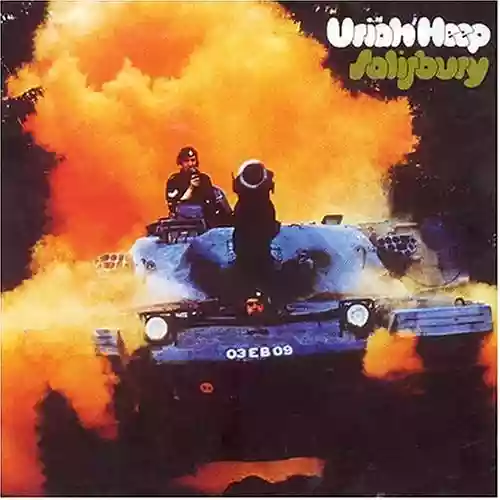
A small note should be made about the cover depicting a tank, which, along with the album title, refers to the town of Salisbury Plain in England, which hosts a military base.
Loading comments slowly
Summary by Bot
Released in 1971, Uriah Heep's Salisbury marks a pivotal phase in the band's evolution, blending multiple genres such as hard rock, jazz, blues, progressive, and classical. The album's six tracks showcase diverse styles, from the powerful hard rock opener 'Bird of Prey' to the iconic ballad 'Lady in Black'. Its 16-minute title track epitomizes the experimental and technical mastery of the band. The review highlights the album as a masterpiece rich in musical complexity and innovation.Tracklist Lyrics Videos
Uriah Heep
English rock band formed in 1969, led by guitarist Mick Box; notable for 1970s hard/progressive albums, Hammond-driven arrangements and close vocal harmonies. Continued recording and touring across decades with multiple lineup changes.32 Reviews
Other reviews
By The Guitarist
Salisbury is the magic, the grandeur, the expressiveness, the delirium concentrated in fifty minutes of music.
"Gypsy" is undoubtedly the best track ever composed by the band: a progressive delirium dominated by the power of the Hammond organ and the rhythmic ferocity of a guitar.
