
 •
Rating:
•
Rating:
THE REVIEW
I was still a kid who only listened to punk when Uochi Toki first hit my ears. How to define them? I didn’t understand anything I was listening to, I didn’t understand the why, I didn’t understand the beats, but I liked it: for me, they were as punk as the Sex Pistols.
Who are Uochi Toki? Much more than an autistic hermit hip-hop(?) group. Just look at their discography: "Vocapatch" and "Uochi Toki," the group's first two albums, are enigmatic, combining minimal hip-hop beats with hardcore punk fragments, all seasoned with a good dose of nonsense and brilliant insights in some of the lyrics. The first more canonical release is "Laze Biose," from 2006.
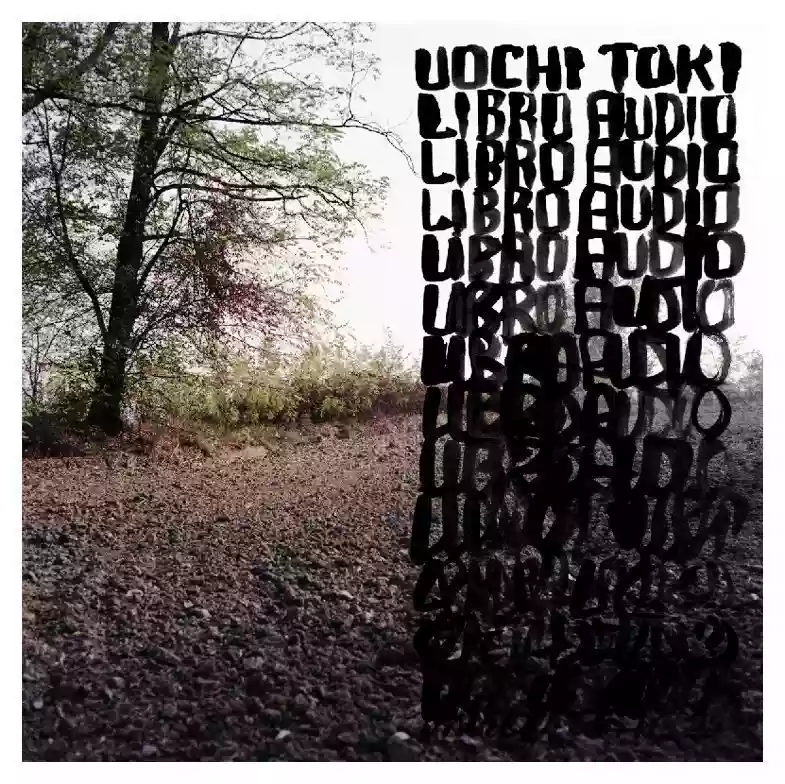
But the turning point came in 2009: for "La Tempesta," Enrico Molteni's label of Tre Allegri Ragazzi Morti, "Libro Audio" was released, an album of 12 tracks to be listened to one after another, like a book being narrated by the words of Napo, the duo's MC. As soon as it came out, a casual listen reminded me why I had always appreciated this group. An hour of absolute genius, both for the electronics and the lyrics. 12 stories of lived or imagined life, in which Napo's tirades, railing against everything and everyone, and the beats increasingly degenerate towards total chaos, in a kind of Beckettian vision of extreme nihilism, the futility of language, and the solitude of the "special" individual in a superficial world.
In any case, it is certain that Uochi are always innovative and push their abilities and the Italian language to the limit: true hip-hop futurism.
Speaking of individual tracks, after mentioning that each track deserves more than one careful listen (indeed, without careful listens, don't expect to even hear the simplest tracks), the most ingenious ones, because here we are talking about "genius," are definitely "Il Ballerino," "Il Piromane," "Il Nonno, il Bisnonno," the single that anticipated the album's release "Il Ladro," and "Il Claustrofilo," the cherry on top of "Libro Audio."
The only flaw is the group's excessive commitment, which makes the overall listening experience exhausting. In any case, it remains the group's most successful album, beyond the previous and even the subsequent parts. An excellent start for those who want to become passionate about this group and an interesting album for those who like alternative in general.
Loading comments slowly
Summary by Bot
Uochi Toki's 'Libro Audio' is praised for its innovative blend of hip-hop, electronics, and punk influences. The album challenges listeners with complex beats and thought-provoking lyrics. It narrates 12 interconnected stories with a nihilistic, introspective vision. Though demanding on the listener, it's considered the group's most successful and rewarding work. An essential exploration for fans of alternative and experimental music.Tracklist Videos
Uochi Toki
Uochi Toki are described in these reviews as an Italian experimental rap/spoken-word and electronics project centered on Napo (lyrics/voice) and Rico (electronics/bases), known for surreal, hermetic narration and abrasive, genre-skipping sound.17 Reviews
Other reviews
By AristarcoScannabue
Uochi Toki come to my [our] rescue, the most mind-bending duo in the country, an experiment of computerized cacophony within stories from a surrealist session held in a subway car traveling through a birch forest.
An absurd, sulfurous work, populated by unsettling presences, disillusioned and desperate, menacing, constantly evoking death, black, perfect for how it captures the mood, the emptiness, the vertigo of these years.
