
 •
Rating:
•
Rating:
THE REVIEW
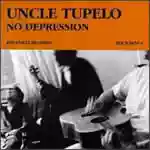
True fathers of alternative country, Uncle Tupelo was born in the second half of the Eighties in Belleville, Illinois. Jay Farrar and Jeff Tweedy, who grew up with the ballads of Hank Williams and the tradition of Woody Guthrie, Leadbelly, and the Carter Family, fully succeed in their intent to merge these roots loves with their other great passion, that for punk and noise (Black Flag, Husker Du, Sonic Youth). Their debut is precisely "No Depression," the title of a Thirties piece about the Great Depression by the Carter Family itself (to testify to the importance of this record, a magazine will be launched under the same name and will deal with the new country trends).
Assisted by the precise drummer Michael Heidorn, the two leaders create a vibrant album that reaches its peaks in the powerful Graveyard Shift, a wonderful almost hard-rock ride, and in the typical flavors of the intense Whiskey Bottle (also boasting an excellent acoustic version), as well as in the cover of the title-track, quite faithful to the original, and in the reinterpretation of the classic John Hardy by Leadbelly. The angry and effective music is accompanied by rather modest lyrics, where Farrar proves to be an attentive observer of daily reality. Also noteworthy are the fast Train, the most typically rural Screen Door, and the "metallic" version of Blues Die Hard (present in the reissue).
Although they were not the first to strive in the search for a union between punk and country, Uncle Tupelo has thus shown themselves to be worthy icons of the movement, steering in the following three works towards a strictly folk matrix indebted to Gram Parsons and Neil Young, only to break up due to disagreements between Farrar, who will go on to found Son Volt, and Tweedy, leader of the more famous Wilco.
Loading comments slowly
Summary by Bot
Uncle Tupelo's debut album No Depression is a landmark in alternative country, blending punk energy with traditional roots. The album features powerful tracks like Graveyard Shift and Whiskey Bottle, showcasing a vibrant fusion of genres. While lyrics are modest, the music's raw and emotional drive marks the band as true icons. Their sound later evolves towards folk influences before their split.Tracklist Lyrics Videos
Uncle Tupelo
Uncle Tupelo were an American alternative country band from Belleville, Illinois, active from 1987 to 1994. Led by Jay Farrar and Jeff Tweedy, they fused punk energy with country and folk traditions across albums including No Depression (1990), Still Feel Gone (1991), March 16–20, 1992 (1992), and Anodyne (1993). After the split, Farrar formed Son Volt and Tweedy co-founded Wilco.03 Reviews
