
 •
Rating:
•
Rating: THE REVIEW
This review has two sides: one emotional, the other critical. "Emotional" because in March 1997, returning from school, I, unaware of everything, discovered music thanks to the video "Discotheque" airing on MTV on any given afternoon. "Critical" because this album was mocked by purists of the Dublin quartet, who are constantly nostalgic for the first part of their glorious career. This is the premise.
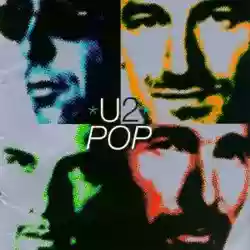
Let's get to it. "Pop" was born alongside the project of the world tour "Pop Mart Tour", the most expensive in music history, with enormous high screens, a giant mobile lemon, a semi-arch parody of McDonald’s, and special effects reminiscent of a sci-fi movie. In the background, the criticism of consumer society, and thus America once again as the world's economic center. The cover is blatantly inspired by Andy Warhol's work. To achieve this, musically speaking, Bono & company concluded their '90s trilogy that began in 1991 with Achtung Baby, and continued with Zooropa in '93, with an album that shocked the fans of the first era even more, with much more aggressive electronics than usual and clear dance references (dub, house, techno) while retaining the song form with their highly recognizable style, much more than they did in Zooropa.
Objective? Rock + new electronics, then, according to the fashion of the moment (Aphex Twin, Underworld, Prodigy). To achieve this, U2 brought in DJ producer Howie B. and sound engineer Steve Osborne in the studio, perfect men for this purpose who helped to accomplish yet another chameleonic transformation of the band. Extremes of this attitude were the single "Discotheque" (the parody video about YMCA is hilarious), the hallucinatory "Mofo" which would fit perfectly in any Chemical Brothers work and "Miami", a hypnotic tribute to the American city, the tomb of Gianni Versace, built on a drum loop and an almost rapped vocal part, with explosive guitar action at the end. Dazzling tracks like Numb years earlier. The Edge as usual delivered extraordinary work on the sounds, with a more experimental approach to electronics, and Bono, in addition to splendid work on the lyrics, possibly the best in his career (go and read the lyrics of "Wake up dead man" or "Please", a masterpiece of the album) brought his voice to a much warmer and soulful tone, mainly due to his throat problems related to smoking. Wonderful ballads like "Staring at the sun" and "If God will send his angels" accompany impactful moments like the epic "Gone" and the updated hard rock of "Last night on earth". Minor but interesting episodes are the blues of "The Playboy Mansion" supported by a wonderful wah guitar riff, and the dark "If you were that velvet dress".
The tour and the album, despite huge numbers, fell below expectations, and three years later U2 decided to return to the glories of their beginnings with the nice but not very convincing "All that you can't leave behind". For now, "Pop" remains the last great U2 album because it possesses that artistic courage that has always distinguished them on the world stage. Strong emotional impact, irony, and ability to keep up with the times without spoon-feeding the fans. These are the U2 of the '90s, a band that looked beyond without making comfortable compromises, producing albums that were certainly debatable, but full of charisma. For this reason, "Pop" is to be appreciated, rediscovered, and understood.
Rating: 4/5
Loading comments slowly
Summary by Bot
U2's 'Pop' album represents a daring blend of rock and electronic dance music, continuing their '90s trilogy of innovation. Despite mixed fan reactions, it showcases artistic bravery and strong lyrical work from Bono. Collaborations with producers Howie B and Steve Osborne added new depth, while the Pop Mart Tour underscored their ambitious vision. 'Pop' remains a bold and memorable chapter in U2's musical journey.
U2
U2 are an Irish rock band formed in Dublin in 1976 by Bono, The Edge, Adam Clayton and Larry Mullen Jr. Rising from post‑punk roots to global fame, they fused atmospheric guitar textures with anthemic songwriting and ambitious tours such as Zoo TV and U2 360°.129 Reviews
Other reviews
By Bleak
The album is, on the whole, well done, although excessively produced and played, and has no particular flaws except for the fact, for purists, of departing too much from the band’s past.
‘Pop’ is simply a good album. I say it bluntly, there’s no need to investigate too much on the meanings of the title or the intentions of the band; after all, in the world of music, no one (or almost no one) does anything for the love of art.
By Rax
‘Pop’ is the best album we’ve ever made. This is the music of the future.
Half of the songs on ‘Pop’ are characterless mediocrity which no one would have talked about if they weren’t U2 tracks.
