
 •
Rating:
•
Rating:
THE REVIEW
It starts with a rain of shards and debris like “Hanged”; an intro with a psychotic sound and a vaguely mocking tone. “Woodcat” sounds much like an enchanted nursery rhyme by Syd Barrett. Few dense sounds, harmonic singing, yet so subtly insistent that it penetrates the mind. It seems impossible to believe the words you're hearing.
The theatrical tones are heightened with “The Wind Up Bird”, a funny joke. The beats intersect with the baritone voice trying to sound sweet. It all takes the form of a playful electronic ballad of the Eels type. “Red & Green” continues in this direction, with more pathos; the synthetic sounds perfectly accompany the sweet, flowing, and relaxed ballad. Always intensely.
“Stories” starts with a fast arpeggio and a robotic voice that changes with the subsequent tempo changes, then settles, always traversed by creaks and electronic voices. In “Jenny Again”, another enchanted nursery rhyme, evocative atmospheres grow, thanks to the small noises always placed at the right moment, completing the sound, as well as the discreet guitar. The suggestion transforms into emotional momentum with “Man in a Box”, paced by crackling sounds, yet so melodic and relaxed as to captivate at first impact.
The melodic turn of “Jay Down” shouldn't be misleading because the sounds immediately become disorienting; everything happens in the subconscious. It's a slow spiral towards unknown places. Choirs evoke clouds in the sky, a cold voice seems to issue orders. It's all magically packaged inside a magma of hissing sounds so light they're not noticed, yet essential for creating these fascinating frescoes.
“It Because We’ve Got Hair” has a catchy rhythm, but it doesn't stray from the other songs. Always magically discreet and balanced in their splendid originality. “Sweet William” is particularly beautiful. A dark sound envelops it. It's a continuous crescendo that breaks into a brief, dense instrumental pause. Humorous but still pleasant ending.
“Engine Room” is an open construction site that opens in all directions. Fascinating and evocative, it's nothing but a summary of the album, where melancholic guitars merge with robotic voices, bells, and dark noises into a dreamy and evocative suite like never before.
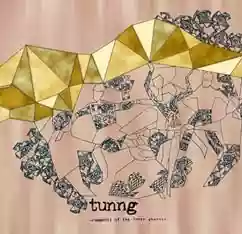
“Comments Of The Inner Chorus” is an album with no pretense. It's a humble, very delicate album. It can be listened to as an album of intimate ballads, but if you dig deep, you will find a work rich in details and perfectly balanced.
In this diversity of possible interpretation lies the richness of this album, which nonetheless requires more variety.
An enchanted and refined album.
Loading comments slowly
Summary by Bot
This detailed review praises Tunng's 'Comments Of The Inner Chorus' for its subtle blend of folk and electronic sounds. The album is described as delicate, rich in detail, and emotionally evocative. Each track contributes to a theatrical, enchanting listening experience with a focus on melody and atmosphere. The reviewer highlights the album's humility and originality, while noting a desire for more variety.Tracklist Lyrics Videos
Tunng
Tunng are a British folktronica group formed in London in 2003 by Mike Lindsay and Sam Genders. They’re known for blending acoustic folk instrumentation with glitchy electronics and intimate, harmony-rich vocals.04 Reviews
