
 •
Rating:
•
Rating:
THE REVIEW
Genre: Gothic Metal
Tristania has always proven to be a band of class and talent, which does not settle for resting on its laurels but seeks to evolve and propose something new. Their musical journey begins with “Widow’s Weed”, a true manifesto of the most melancholic and dark gothic metal. With “Beyond The Veil”, their music changes again thanks to the addition of orchestrations, choirs, and death riffs. With the subsequent “World Of Glass”, Tristania changes the game once more: first, the growl is partially replaced by the baritone, the choirs are much darker and are surely influenced by Gregorian chants; the real orchestrations have disappeared in favor of a single violin and samples and electronic inserts are frequently used.
If all that is not enough, the album is very heterogeneous and the songs are complex, complicated, devoid of any structure and any chorus: all atmosphere and choirs. Having made these considerations, it is easy to understand why many have criticized the aforementioned album: in my opinion, the album is very refined and complex, and despite the experimentation, it sounds very dark and gothic (could it be the choirs?).
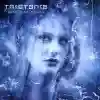
“World of Glass” is a concept album about the resignation of sin. The first track is “The Shining Path”, which opens with Gregorian choirs: the piece is very dark, a sound labyrinth with no exit, given the complexity of the track. “Wormwood” opens in the same way as the previous track, it is a solemn and lugubrious piece, with a slow pace throughout its duration. “Tender Trip on Earth” is a piece that anticipates what the group will accomplish with the subsequent “Ashes”.
“Lost” is one of the most experimental pieces of the entire work: from choirs to growls, from electronics to violin parts, it could be a dangerous piece for anyone but Tristania does a decent job. It changes completely with “Deadlocked”, an intense and emotional slow piece (Vibeke is truly divine) that offers almost magical moments, thanks also to the medieval flavor present in some parts of the song. “Selling Out” is a piece of almost doom-like origin, very slow and obsessive. “Hatred Grows” is one of the best tracks on the CD (if not the best), which is really varied in atmospheres: from desolate to desert, to even mystical. The title track is a piece that makes its use of choirs and baritone its strong point. The CD closes with "Crushed Dreams”, another highly experimental piece, even featuring industrial accents.
Overall, “World Of Glass” is an excellent work that is recommended for those who love more complex and refined music, although I must admit that the legendary “Beyond The Veil” remains my favorite of Tristania's works, despite the small difference between the two works.
Loading comments slowly
Summary by Bot
Tristania's 'World Of Glass' marks a shift towards more complex and darker gothic metal with experimental elements. The album features baritone vocals, Gregorian chant influences, and electronic inserts. It’s a concept album about sin’s resignation, blending intricate and atmospheric compositions. Despite its complexity and departure from earlier work, it remains a refined and compelling piece for fans of sophisticated gothic metal.Tracklist Lyrics Videos
Tristania
Tristania is a Norwegian gothic metal band formed in 1996, known for combining soprano and harsh male vocals, rich choral/violin arrangements, and doom/death undercurrents. Early works featured Vibeke Stene and Morten Veland; the band released acclaimed albums from Widow’s Weeds (1998) through Darkest White (2013).09 Reviews
