
 •
Rating:
•
Rating:
THE REVIEW
Steve Lukather eventually threw in the towel, putting an end to the Toto last year: "What's the point in going on without David (Paich, the keyboardist and main composer who left a few years ago) and without any of the Porcaro brothers? (the last one, bassist Mike, had given in to his serious physical ailments some time ago). Words of wisdom from the guitarist, and thus maximum respect to people who, despite the superficial labels of a bunch of hirelings and Californian posers cyclically received over their career, showed all their honorable ethics until the end, after giving it their all for thirty years through good times and bad and proving themselves at every concert (those who have seen them perform know it, on stage they have always been a war machine, with an incredible groove).
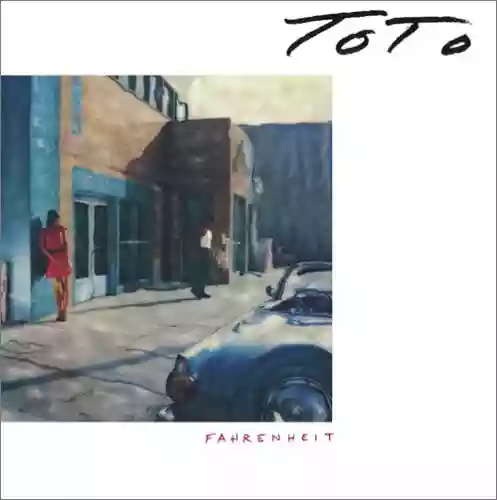
This, which is the sixth album of the band (year 1986), is certainly also one of the less visible in their repertoire... this is also shown by the fact of being their only work not yet covered on this age-old site.
The band is here dealing with a new singer, the third in the series. The iconic one, Bobby Kimball, had been kicked out after the tour following the best-selling fourth album "IV": success had gone to his head, he drank and snorted too much, and he had started to sing poorly. He would return in 1998, with success, drunkenness, and highness behind him, to share the last portion of the group's history.
After the brief stint with Fergie Frederiksen on the microphone, which lasted the space of an album and a tour since, apparently, even without chemically altering himself, the man turned out to be even more unreliable than Kimball, Toto undoubtedly chose Joseph Williams, a musician destined to wrestle all his life with the twenty-one Grammys and various other achievements put together by his father John, the man behind the music of "Star Wars," "Indiana Jones," "Harry Potter," "Munich," "Jaws," and many others.
After Kimball’s soul voice and Frederiksen’s hard rock tone, here comes the AOR timbre, high and melodic, of the talented Williams, who sings quite well on this record, but will do much better in the next one, "The Seventh" (much more substantial in terms of songwriting and for many, including myself, the group's best). Nevertheless, this album sees as many as four lead voices alternate, as the dull "Without Your Love" is sung by Paich, the acoustic and delicate "Lea" belongs to its composer the synthesizer Steve Porcaro, and finally the timely chart-topping ballad, this time titled " I'll Be Over You", is typically the guitarist’s business, who sings and plays it superbly, with a heart-wrenching, piercing solo.
Speaking of Lukather, there is something wrong with his usually supreme work on the instrument, which these recordings capture stubbornly experimenting on a particularly washed-out and wiry timbre, really nothing special (he himself would somehow disavow it in posthumous interviews). However, the rhythmic machine of the great and late Jeff Porcaro, a drummer of immense class, remains impeccable, capable in some cases of "making" a song on his own, leading the listener's ears to pay attention to his cymbals and drums above all else.
If you have nothing by Toto (shame on you!), then primarily head towards the first, self-titled album, the second "Hydra," the famous "IV," or the seventh "The Seventh One". For the group’s enthusiasts, this is, in any case, an excellent album: there's a wealth of class and ideas, only lacking that pair of monumental songs necessary to make it indispensable for those who appreciate elegant and superbly played rock.Loading comments slowly
Summary by Bot
Toto's sixth album 'Fahrenheit' showcases the band's transition with new vocalist Joseph Williams and the last recordings of drummer Jeff Porcaro. While not their most celebrated work, it contains moments of elegance and musical complexity. The album reflects experimentation and solid musicianship but lacks standout hits to make it indispensable. Fans of sophisticated 80s rock will appreciate its value despite its relative obscurity.Tracklist Lyrics Videos
Toto
Toto is an American rock band formed in Los Angeles, known for polished pop-rock/AOR craftsmanship, high-level musicianship, and major hits such as “Africa” and “Rosanna.”21 Reviews
