
 •
Rating:
•
Rating:
THE REVIEW
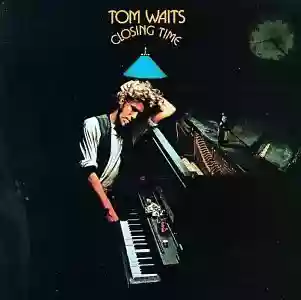
Tom Waits - "Closing Time" (1973)
A boy wanders the streets of America's late '60s underground.
He doesn't have much money in his pocket and to get by, he works as a dishwasher in a bar.
As soon as he's done, he escapes into the night and its inhabitants: prostitutes, hobos, drunks, poor poets.
His eyes are filled with hope and melancholy, and his heart is full of Bukowski, Miller, and the writers of the Beat Generation, those from the "wrong side" of the American Dream.
His father passed down to him the passion for jazz and the first piano chords.
One evening, under the influence of alcohol, he sits at the piano in the restaurant where he works and starts tinkling out songs that tell the stories of the people of the night. His people.
The audience laughs with him, enjoys, gets emotional, listens, follows him.
The owner of the place senses his talent and decides to bet on him.
Over time, Tom enters clubs no longer through the kitchen door but through the artist's entrance, accompanied by a band of great jazz musicians.
His first album is "Closing Time", dated 1973; the name refers to the closing time of venues.
It's time to close. The last customers say goodbye and leave. The owner tidies up the chairs and dries the glasses, until a moment ago filled with whiskey.
The shy boy sits at the old dusty piano leaning against the dark wall and begins to weave a delicate and sweet melody, surrendering to memories that see him in his old car, journeying who knows where and for who knows what adventures. It's "Ol' 55", a true love poem to his car, which will become one of the classics of Tom Waits' long musical career.
Meanwhile, subtly, an acoustic guitarist, a double bassist, a saxophonist, and a drummer equipped with brushes approach him.
The second track, "I hope that I don't fall in love with you", finally frees us to think about that person we avoided making eye contact with all evening because, even knowing we could never have them, just one more glance would have been enough to fall in love. But now that the place is empty and we just wanted one more chance to steal a look at their face among the crowd, we've realized we've just fallen in love with them.
In "Virginia Avenue", the pianist with the somewhat hoarse voice takes us by the hand on one of his many journeys through the night, when the venues are closed, people are already in bed, and a poor boy has nothing left but to go up and down the long road, daydreaming.
The walk through memories continues amid old shoes and yellowed postcards; "Old shoes & postcards" is a ballad for that distant love, never forgotten, which occasionally peeks into our hearts.
"Midnight Lullaby" lets us see, with the mind's eye, distant places because "when you dream, you can see for miles and miles."
"Martha" tells of a phone call that Tom, now old, makes to his first great love, remembering "the days of roses, poetry, and prose," holding back tears and realizing how much his life has changed.
Memories of love continue with "Rosie", the love that fled too soon leaving us only a melody to play; while, in "Lonely", with lonely eyes and face, we think back to what was and allow ourselves to the thought that, deep down, we still love them.
With "Ice Cream Man" the theme changes: it seems a music box is playing, and out comes Tom, telling us, to the notes of a rhythmic jazz, about the ice cream man who gives happiness and goodness when you're tired or hungry.
The subdued piano returns in "Little trip to heaven", which describes how everything is possible and fantastic now that we can look into the eyes of the person we love.
The journey is about to end, a cigarette, a glance at the moon and that lone star shining in the night, in "Grapefruit moon".
Tom has told his stories; for the moment he has nothing more to say.
But before leaving, he lets the music speak, surrendering to the intimate instrumental sonata of the title track, accompanied only by the muted sound of the trumpet.
The lights go out.
It's time to close.
This album will start the musical adventure of one of the greatest and most influential songwriters of all time.
An album far from the irreverent notes and the very deep voice of Tom Waits' artistic maturity albums, but not for this reason less valuable; indeed, it is a true little musical gem that, with delicacy and without making noise, strikes from the first listen.
An album to listen to, perhaps, on a quiet winter night, accompanied only by a dim light.
rating: 8/10
Loading comments slowly
Summary by Bot
Closing Time is Tom Waits' 1973 debut album, marked by delicate jazz sounds and intimate storytelling. The reviewer highlights its poetic and melancholic themes inspired by America's underground scene and Beat literature. The album evokes late-night moods and bittersweet memories through soft melodies and heartfelt lyrics. Though different from his later rough style, it remains a cherished musical gem.Tracklist Lyrics Videos
Tom Waits
Thomas Alan Waits (born 1949) is an American singer-songwriter, composer and actor known for his gravelly voice and eclectic blending of blues, jazz, rock and experimental music.51 Reviews
Other reviews
By Stephen Write
Closing Time is his debut album, probably one of his most accessible works where his voice is not yet entirely ravaged by alcohol.
If you haven’t listened to anything by this great artist yet, do it now, perhaps starting with this CD.
