
 •
Rating:
•
Rating:
THE REVIEW
There was a moment when Holly Golightly could have become famous.
It was 2006, the Italian national football team had just won the World Cup and fans in the stadium were chanting po popo po po poo po following the riff of the White Stripes’ “Seven Nation Army,” and many people went looking for the album that featured that track.
Now, inside that album there’s another delightful track called “It’s True That We Love One Another” where Holly Golightly hands dear Jack White a brutal brush-off as he pines for her and she mercilessly relegates him to the friend zone, chirping “I love Jack White like a little brother.”
Truly, there was a moment when Holly Golightly could have become famous, but of course, it turned out that the vast majority only knows “Seven Nation Army,” and you can count on one hand those who, twenty years later, remember the song where Holly sings with Jack and Meg.
On that album and that song, the White Stripes, but above all Jack, built their artistic—and even financial—fortune; Holly, instead, remained the queen of the Medway sound, then and forever.
What is the Medway sound? Here’s the quick version: in the south of England, there’s an area called Kent; the most well-known cities are Rochester and Chatham and, along with a few others, they make up the Medway Towns. From there, in the late ‘70s, came some extraordinary people and bands—I’ll just mention Billy Childish and the Milkshakes. They took the blues and the beat that belonged to the Animals, Rolling Stones, and Yardbirds, stripped them down to the bone, and played them with raw and rugged bravado.
Raw and rugged bravado that hid an immense love for those sounds.
After the Milkshakes, Billy formed the Headcoats; in the early ‘90s, he met four girls to share the road with, they followed him and so the Headcoatees were born; Holly was one of the four.
In rapid succession, one, two, three albums: two or three covers in each, the original songs all written by Billy.
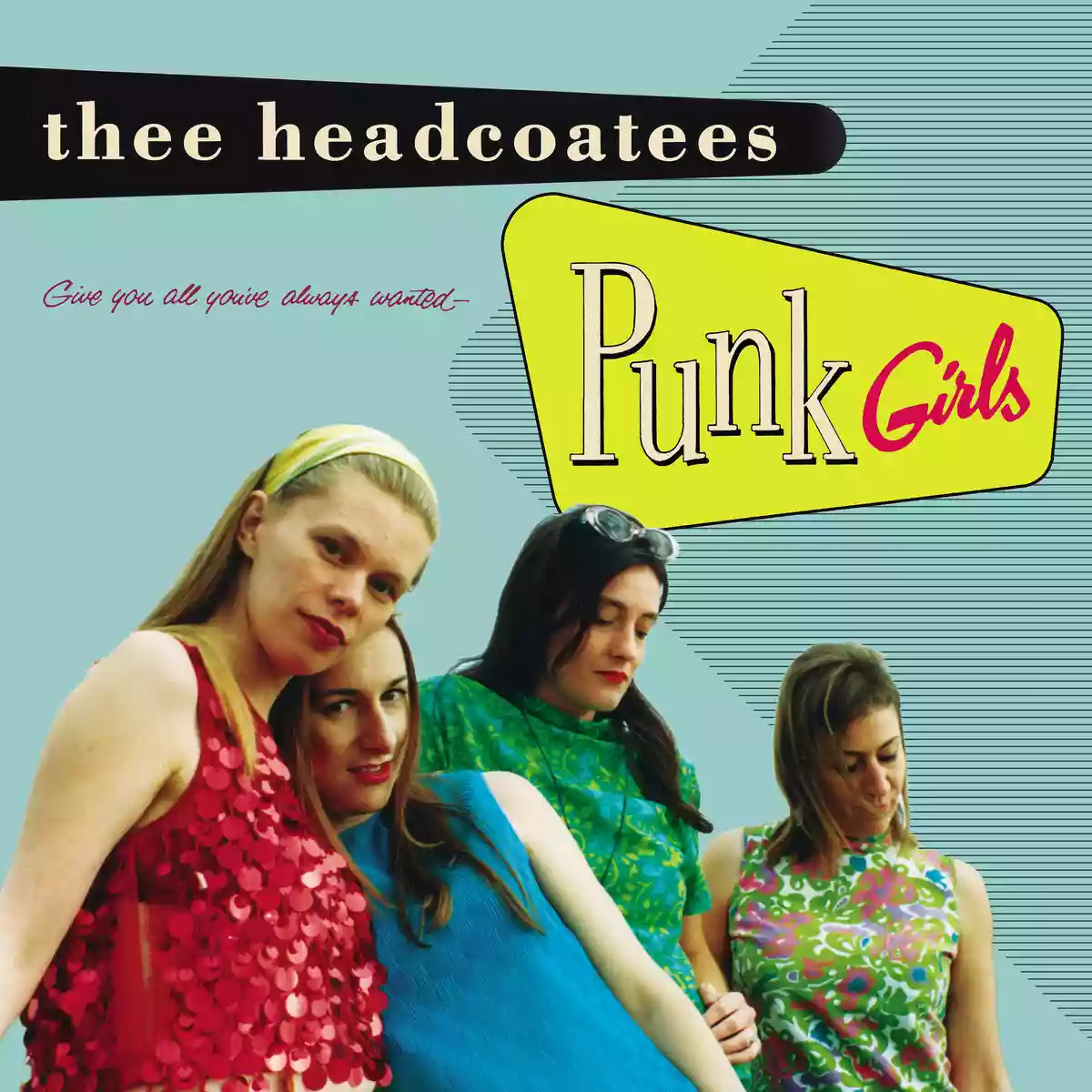
“Punk Girls” from 1997 is the fourth Headcoatees album, seven original songs, always written by Billy, and five covers, each more beautiful than the last; covers of famous tracks like “Teenage Kicks” and “Ça Plane Pour Moi,” passing through “Pinhead,” but also less known ones such as “Cara-lin” by the Strangeloves and “Shadow” by the Lurkers; and even the seven songs that aren’t covers, in the end, kind of are, but the passion pouring out from that “Stab Your Back” which is “Punk Girl,” or from an “I Want To Hold Your Hand” where “I want” effortlessly becomes “Don’t wanna”—well, the passion is so overwhelming that neither the Damned nor, much less, the Beatles had any objections.
A couple more albums, then the breakup in 1999 and a fine solo career for Holly, as well as for her partner-in-crime Ludella Black, and then the unexpected, surprising comeback last year.
There was a moment when Holly Golightly could have become as famous as the White Stripes; things went differently, but she is the queen of the Medway sound.
Loading comments slowly
Summary by Bot
This review covers Thee Headcoatees' album 'Punk Girls,' highlighting its raw garage punk vibe and energetic performance. The reviewer gives the album an average score, suggesting there are both strengths and shortcomings. The focus is on the band's attitude, retro style, and appeal to niche punk fans. Overall, it's a balanced perspective for those curious about 90s girl punk bands.
Thee Headcoatees
Thee Headcoatees were an all-female garage punk group from the Medway Towns in Kent, England. Formed in the early 1990s as a sister act to Billy Childish’s Thee Headcoats, the core lineup included Holly Golightly, Ludella Black, Kyra LaRubia, and Bongo Debbie. Active through the decade, they became cult favorites for gritty covers and Billy Childish–penned originals.01 Reviews
