
 •
Rating:
•
Rating:
THE REVIEW
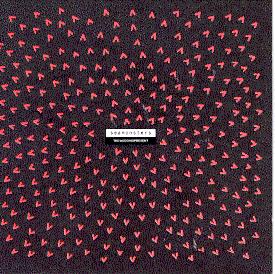
In the mythological world of social conventions, the repression of instincts, compromises with oneself, the renunciation of oneself; economic comfort at any cost, the irresistible yearning for the Comfortable Position: Olympus above all happiness, the Valhalla of the heroes of Unbridled Ambition. In that great ancient world - now buried by two decades of oil battles and various pitying veils - a small alternative hero: David Gedge from Leeds. Veteran of the exploits of George Best and Bizarro: triumphs of high, towering walls of guitars, intricate bass labyrinths, and memorable, immediately engaging melodies; fundamental chapters in the glorious book of British post-punk.
In nineteen ninety-one, Gedge lives his tragedy. A sailor at the mercy of the stormy waters of perdition, forgotten by the gods, without a friendly harbor, without a Penelope, prey to his demons: sea monsters, the supreme terror of every seafarer.
Gedge's sea monsters are diabolical manifestations of the ailments of his time: stone women, steel women, married and treacherous women, lying and deceitful women, harlots: they seduce and delude him, taking on the sweet forms of love but are nothing but mirages. They draw Gedge to them with the hopeful lights of their beacons, like a miserable insect, into the safe waters of their harbor, but they are the ones who suck the life out of him: You suck it all right out of me, sings the hero with his poignant, deep, heart-wrenching voice. Inhuman, empty, insidious, brazenly malignant, created by a discomfort much greater than themselves, daughters of evil and suffering. There is no hope for Gedge. The boy in the Corduroy photo has grown up quickly, is a man now drowning, dragging himself through the waves of sick loves, betraying, feeling betrayed, abandoning, being abandoned, alone. The many yous are distant and futile.
Seamonsters is the sound of this malignant, nocturnal sea: a storm of guitar distortions, sudden dissonances, sonic incursions - highlights include the furious, interminable breaks of Lovenest, at the end of a refrain reminiscent of Ian Curtis's obsessive monotony - electric ballads on the brink of a nervous breakdown, acoustic ballads disturbed by the thunders of an ever-prominent drum, a metallic, scratching bass - a rhythm section of great experience, as pragmatic as it is effectively destructive - post-hardcore accelerations amidst mists of feedback and walls of distortion raised by the excellent Solowka, at times overshadowing the rest, without however creating the sensory peace effect of certain shoegaze: because toiling underneath, beneath the foam, under the distorted waves of Dalliance, is the desperate pulsing of a disillusioned and disappointed man, seduced and abandoned by his sea monster, the married woman incapable of being swept away by passion, by life. A serial betrayer, a slave to the conventions of her society, a victim of a sick marriage.
In the sea of a depressive and impulsive shoegaze - a cross between the dark side of the Jesus and Mary Chain and the noisy fury of Sonic Youth - Gedge's baritone is a mournful sobbing of abandonments, an ecstatic whispering of fleeting amorous visions, a panting, weary whispering, a hoarse and tuneless outburst: seductive, tender in its limitations, at its highest levels of expressiveness. True, human, all too human.
The production by Albini is that of the uterine nightmare: a work according to the moderately deafening standards that will characterize In Utero some years later. A carefully crafted production to appear unrefined, very Shellac, a sound that after more than twenty years seems not to have aged a day.
The ending is dry, tragic: the vaginal monster prevails, the Octopussy wraps Gedge with its tentacles of seduction, inescapable. It's the final illusion and the hero, tormented, knowingly surrenders to it. Someone might shout for a happy ending, might think that choosing to delude oneself is a choice. The slow melancholy of Octopussy leaves no doubt: illusions. He drowns in illusions.
Loading comments slowly
Summary by Bot
Seamonsters by The Wedding Present is a landmark 1991 album capturing intense emotions through distorted guitars and raw lyrics. David Gedge's storytelling delves into painful love, betrayal, and personal struggle. The production by Steve Albini complements the album's stormy and dark atmosphere, making it a timeless post-punk classic. The review praises the emotional depth and musical complexity, emphasizing the album's enduring impact.Tracklist Lyrics Videos
The Wedding Present
The Wedding Present are an English indie rock band formed in Leeds in 1985 by David Gedge. Early releases George Best (1987) and Bizarro (1989) established their fast-strummed, guitar-led sound, while Seamonsters (1991) was produced by Steve Albini. In 1992 they released a series of monthly UK-charting singles known as The Hit Parade.03 Reviews
