
 •
Rating:
•
Rating:
THE REVIEW
"If I could live one day/ again, that day will be the one".
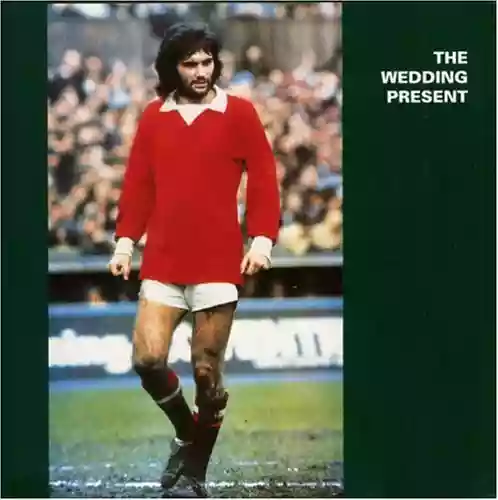
And this is probably the day when the protagonist and narrator of the song is - perhaps - abandoned by his partner: something like that, in any case. The themes addressed in the songs of this Wedding Present album are intimate and minimal - yet bold and "in capital letters". These are "important" and somewhat adult feelings and situations - treated with the lightness of the everyday. You won’t find the penchant for literary citations à la Morrissey - but there is indeed technique, a lot of wit, and the awareness that the lyrics of a song are "something more". Perhaps there isn't that pleasant dreamy and vaguely eccentric feeling you can hear in much mid-‘80s indie-pop: David Gedge, frontman of the group and author of the songs, clearly has his roots firmly planted on the ground - and his ground is Leeds, the post-industrial North of England - but he is not entirely unrelated to a twee sentiment - evidence of this is his ability to address emotions from the weak side, in opposition to the machismo of so much contemporary pop-rock trinket. On the album, you can hear echoes of punk, the Fall - but without the social irony - and some angularity in the style of Gang of Four. The Wedding Present then rework a large part of the '60s tradition (Kinks, Beatles, bubblegum) adapting it to the sensitivity of their time: we are talking about a band that plays pop more or less as it has always been known, but at a frantic pace, with pleasantly battered guitars, yet orchestrated with the taste worthy of the "precise" XTC. One of the most entertaining tracks is precisely the cover of "Getting Better" by the Beatles, which appears in the Plus edition of the album, that is, the reissue that, in addition to the true George Best, includes some of the singles released later (most of which are absolutely remarkable tracks: "Not From Where I Am Standing", "Nobody Is Twisting Your Arm", "Why Are You Being So Reasonable Now"). Thanks to the validity of their songs, the Wedding Present will manage to break into the charts (but their first album with a major will be a traditional Ukrainian music album, what a bunch, huh?!); their sound is still present almost everywhere, even if few contemporary bands seem to have noticed.
In times of archaeology like ours, an album like this deserves a pleasant rediscovery. George Best was the 2007 album for your friend and humble narrator: he hopes it can be a pleasant discovery for you too.
Loading comments slowly
Summary by Bot
The Wedding Present’s album George Best delivers intimate and bold themes with a grounded, post-industrial Leeds perspective. Featuring punk echoes and 60s-inspired pop, the album stands out for its wit and emotional depth. The review highlights the band's ability to create precise and energetic indie rock and praises the quality of tracks including notable reissue songs. A worthy rediscovery for indie fans.Tracklist Lyrics Videos
The Wedding Present
The Wedding Present are an English indie rock band formed in Leeds in 1985 by David Gedge. Early releases George Best (1987) and Bizarro (1989) established their fast-strummed, guitar-led sound, while Seamonsters (1991) was produced by Steve Albini. In 1992 they released a series of monthly UK-charting singles known as The Hit Parade.03 Reviews
