
 •
Rating:
•
Rating:
THE REVIEW
The Strawbs are an English band formed around the mid-sixties, mainly by the singer and guitarist Dave Cousins. In the early years, their music drew heavily from the roots of American folk before transitioning to a mixed genre that successfully combined folk, rock, and the progressive movement that was sweeping across the UK at the time.
I believe the group's history can be divided into several phases, starting from their beginnings with albums that had a strong American folk influence, such as 'Strawbs' and 'Dragonfly', released in 1969 and 1970 respectively. Besides Cousins, the lineup included Tony Hooper on the second guitar, John Ford on bass, Richard Hudson on drums, and future Fairport Convention singer Sandy Denny.
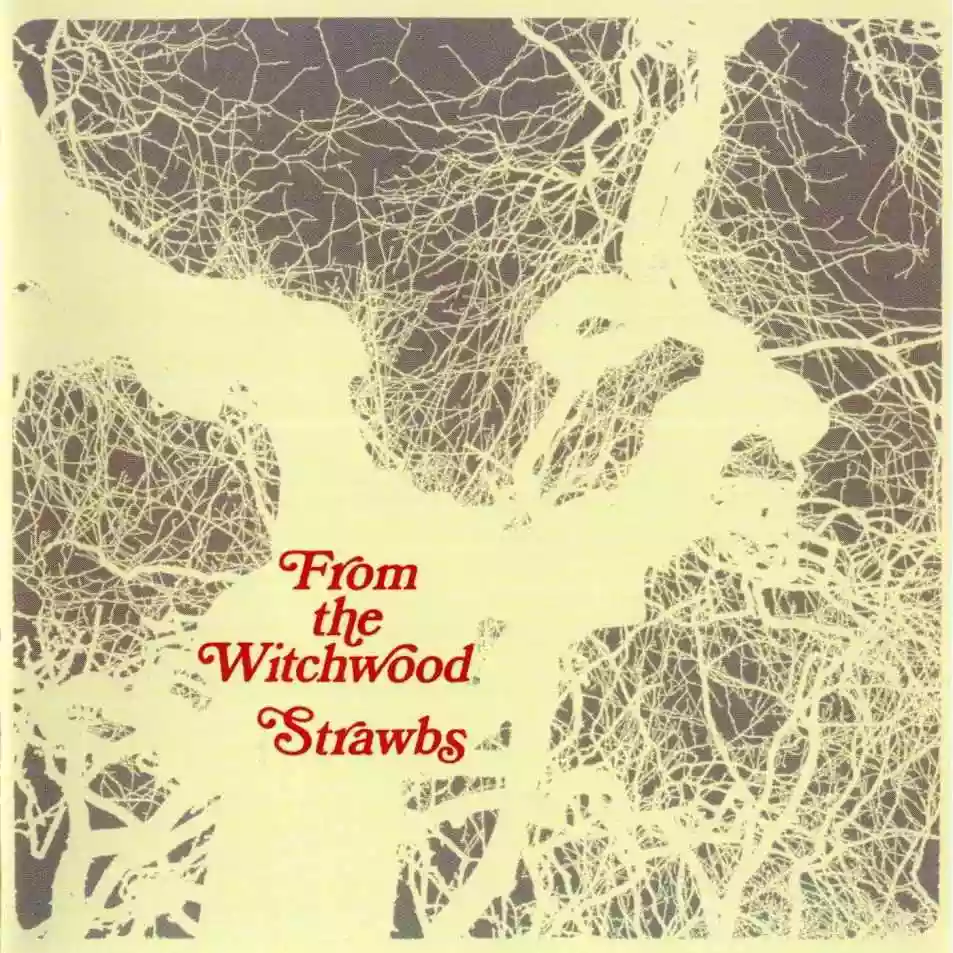
The band's poor sales and desire to explore other sounds led them to move towards a more progressive direction by recruiting a young, blond keyboardist with a regal future, the same Rick Wakeman who would later join Yes and become an example for future musicians. The entry of the new keyboardist, fresh out of the conservatory but already fairly well-known, shifted the band's style towards a baroque-influenced folk rock with compositions that also touched on very suggestive mystical themes. Wakeman arrived just in time to participate in the live album called 'Just A Collection Of Antiques And Curios' in 1970, recorded at Queen Elizabeth Hall, but it was on the studio album 'From The Witchwood' the following year that the keyboardist truly made his mark, displaying a genuinely masterful compositional brilliance. In my modest opinion, this work is perhaps less solemn and curious than its predecessors, but at the same time, much more complex and challenging. The standout tracks are Witchwood, The Hangman And The Papist, and the beautiful I'll Carry on Beside You.
With this album, one could say the second phase of the Strawbs' career ended, as by the end of 1971, Wakeman left the group for Yes, leaving an irreplaceable void in the band's artistic life. The following work, 'Grave New World' from 1972, saw Wakeman's successor, Blue Weaver, who brought the group's sound back to a very pleasant folk, but lacking the previous charm.
Subsequently, the Strawbs released another moderately successful album, 'Bursting At the Seams', but other significant departures like Hudson and Ford complicated their career, bringing the group back to much simpler and lighter folk-pop standards.
Loading comments slowly
Summary by Bot
The Strawbs' 1971 album From The Witchwood marks a key phase blending folk, rock, and progressive elements. Featuring Rick Wakeman's remarkable keyboard work, the album offers complex and mystical compositions. Standout tracks include 'Witchwood', 'The Hangman And The Papist', and 'I’ll Carry on Beside You'. The album captures the band at a creative climax before Wakeman's departure shifted their future sound.Tracklist Lyrics Videos
The Strawbs
English band formed around the mid-1960s led by Dave Cousins; evolved from folk roots into baroque-influenced progressive folk and worked with musicians such as Sandy Denny and Rick Wakeman.02 Reviews
