
 •
Rating:
•
Rating:
THE REVIEW
Year 1969.
The music world receives one of the most violent punches in the stomach ever delivered, and it does so in a totally revolutionary way: this is punk. Mind you, punk wasn't born yet, but this album shows how history sometimes contains potentially everything that happens regularly in the future, and "The Stooges" (the self-titled debut album by the band) is the confirmation. It's been called proto-punk, but the music and the spirit are already punk, certainly not yet exploded into a musical movement, as in '77; anarchy, perversion, the desire to break all the rules are perfectly evident here, and also the paranoia and frustration typical of a city like Detroit (where the band was formed), excluded from the various neo-cultural movements of cities like San Francisco or Los Angeles... or maybe New York, birthplace of older "brothers" Velvet Underground, a band as important today as it was underrated by critics and the public in the sixties.
In "The Stooges," there's a lot of Velvet: first of all the spirit and then the production of John Cale, the violist from New York, who also had a hand in the music here and there. The album opens with "1969": Ron Asheton's guitar initially echoes Jimi Hendrix before exploding into a disturbing distortion, one that hadn't been heard before (the technique is very raw, influencing millions of future guitarists, especially punk), with Iggy Pop’s paranoid singing, poor in lyricism but rich in anger and frustration; it's impossible to stay still, the visceral nature is evident. Then it moves to "I Wanna Be Your Dog" and the sound of the guitar seems to come out of a trash can. Decadence and perversion are the constants of the track, in which Iggy Pop sincerely declares his deviance: no one had ever been so radical.
The third track, "We Will Fall", shows how the band can touch the subconscious as well as the limbs, even if John Cale’s influence is very strong, playing his viola just as he had done with the Velvet Underground. Minimalism here is fundamental, the track lasts more than ten minutes, in which a malevolent choir persistently chants the magic formula "Oh gi ran ja ran ja ja ran" while the "Iguana" always recites his innermost desires, so much so that the impression is that of participating in a séance. With "No Fun" it returns to pogo (reaching one of the most intense moments of the album): the first part tells of human loneliness, perhaps following abandonment, once again in a very radical way, only to explode into lacerating guitar solos followed by the brutal screams of the Iguana (in that "well, come on!" is contained all the pain of loneliness); here Iggy "Stooge" cries, screams, howls, with moans that only Alan Vega years later managed to reevaluate in an even more distressing way.
"Real Cool Time" is an explosive, crackling piece, with a hendrixian wah that gives everything a Dionysian atmosphere. In "Ann", one of the most "calm" tracks, it seems Jim Morrison has married Hendrix's guitar, creating a very perverse atmosphere, almost wanting to show the two faces of love (the aura of the Doors was already present in "We Wil Fall"). "Not Right" and "Little Doll" perfectly conclude the album always staying on the theme of frustration and repressed erotic desires. In short, the Stones' rock has become much more violent and distorted, and Iggy Pop's live performances are unprecedented, reaching sensational levels of obscenity (along with the electrifying performances of the MC5, another band from Detroit). The Motor City has spoken.
Who could ever imagine that such roses would spring from manure? From now on, nothing will be the same: California failed (perhaps...) to make the world more beautiful and free, but by the end of '69, they had to reconsider; the world hasn't changed, on the contrary, it's even sicker, and the Stooges are the emblem of the failure of that utopia of peace and love that hasn't been reevaluated in the years to come.
This is rock’n’roll!
Loading comments slowly
Summary by Bot
The Stooges' 1969 self-titled debut album delivers a brutal and revolutionary sound that foreshadowed punk rock. With influences from the Velvet Underground and production by John Cale, the album exudes raw energy and visceral anger. The tracks mix minimalist and distorted styles, capturing themes of frustration, rebellion, and urban decay. The review praises Iggy Pop’s intense vocal delivery and the record’s lasting influence on punk and rock music.Tracklist Lyrics Videos
The Stooges
The Stooges were an American rock band formed in Michigan, widely cited as a key proto-punk act. Fronted by Iggy Pop, they became known for raw, distorted guitars, confrontational performances, and influential late-60s/early-70s albums including their 1969 debut and 1970’s Fun House. They later reunited and released The Weirdness.13 Reviews
Other reviews
By Pollack
The Stooges vented their typically adolescent anxieties in this frenzied, abrasive, misogynistic rock’n roll album.
It is above all the honesty, pure feelings, and disillusionment with which this album was played that will be hard to replicate.
By vito
A pagan rite of initiation into the music of the devil, the album without which probably no one would have ever talked about a certain 'punk rock'.
8 tracks for a total duration of just 35 minutes [...] episodes that alone are worth as much as an entire album from any rock band today.
By TraumaCronico
You don’t wash. You smoke. You do drugs. You dance like madmen. You don’t go to Church. Ever. Aren’t you ashamed?
Those damn rockers, they had done it without our knowledge, the biggest folly of their lives: They had listened to a Stooges record.
By Caspasian
After this record it’s over for everyone else, there’s no more room for anyone.
Don’t you want to turn up the volume to the maximum and blast it even louder, wishing that your amplifier and speakers explode?
By lector
Distilled anger, anguish, personal abysses and animalistic, fierce, lust for life.
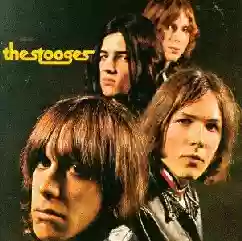
The black cover with yellow writing and those 4 faces, 4 ghosts from the sewers of Ann Arbor.
