 •
Rating:
•
Rating:
THE REVIEW
It is almost a mystery, the irresistible attraction that led in the late '70s in England for two seemingly opposite genres like punk and ska-reggae music to intersect and unite viscerally. Certainly, the intense cultural-musical period influenced it, shaken by a youthful rebellion that, although iconoclastic to the past, wanted to open everything to everyone and, in our case, desired to make the idea of "rock life" possible for anyone, regardless of race, social class, or bank account. In this Labour England, stirred by new freedoms, small local realities with unsuspected fermentations could find space, embracing the punk ethos understood more as the chance to "make music," to escape often bleak destinies with the help of few means and some good ideas.
In these suburbs, when unemployed, skin color doesn't matter anymore, and new generations begin to grow together, exchanging qualities, loves, records. And if someone had a mother obsessed with the Beatles, others had grandparents who emigrated from former Caribbean colonies, and maybe they heard at home some old vinyl of the Skatalites and Prince Buster. It was no coincidence that the broad reggae of giants like Bob Marley or Peter Tosh, prophets with great universal social messages and promoters of a much more technical and refined genre, did not take root much in Her Majesty's musical world. Or rather, it was celebrated and unanimously esteemed, but as an alien phenomenon, almost touristic, while at home there was an attempt to recover a much simpler, rawer, almost primitive sound.
Moreover, ska-reggae was relatively as easy to play as punk, and this discovery attracted emerging kids who began playing the first songs in the poorest neighborhoods. This bizarre and colorful overseas music began to be identified as "the punk vein" of Afro-American music. Social themes typical of the white movement of the time were naturally glued to it; however, these were not problems viewed from a detached point of view like those of Jimmy Cliff or the Wailers, these were the daily issues of common English kids wandering through the small suburbs of Sheffield or Manchester searching for a job or a woman.
The tones were less angry than usual protests, yet more powerful in their innocent evidence; while the music urged everyone to dance, in the most unrestrained and animalistic way (at first it's more of a wriggling than anything else), the musicians became (and often they really were) the friends who lived two blocks behind your house, who for an evening were on a stage talking to you about themselves, about you, about their "new" music.
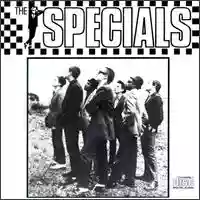
The ska-revival was undoubtedly inaugurated by the Specials and their mastermind, keyboardist/composer Jerry Dammers, the real Johnny Rotten of the genre. The Coventry group, stabilized in 1977 in a fantastic formation of seven (five whites and two blacks including Dammers), made their debut as the opening act of the Clash (who instead were moving, along with the ever-newborn Police, towards an original punk-reggae). It was an explosive start, where they introduced a new formula made of proletarian stories and vibrant dancehall: with the first single “Gangsters” came the first offers from majors, but Dammers preferred to found an independent record label himself, to freely develop his group and the many epigones (including Madness, Selecter, English Beat, etc.) already emerging. Thus was born the Two-Tone, “two tones”, that is, the black and white that characterized the band's look (the black suits with tie, glasses, and retro hat will become the ska uniform) and the "checkerboard" graphics of their work, symbol of the unconditional union of white and black musicians. And the Specials, with their first eponymous seminal album (produced in 1979 by a long nose like Elvis Costello), managed to talk about racism with such persuasive candor and charm that it didn't allow replicas.
In forty-five minutes, they give us just a taste of their live power, made of exciting and seemingly improvised performances given their spontaneity. With the fantastic vocalist Terry Hall, often accompanied by duets and passages with guitarist Lynval Golding and percussionist Neville Stamples, the most diverse themes are tackled, but always with typical English irony and the vivid realism of those who live or see those facts every day. From the bitter and disappointing nights when everything seems lousy from beer to the girls of “Nite Klub”, from the urban violence of “Concrete Jungle” to the pro-contraceptive anthem of “Too Much Too Young” and the hilarious two-voice marital trial of “Stupid Marriage”. The band's approach is often aggressive and raw, pungent without many words, as in the indictment against racism “It Doesn’t Make It Alright”: like other songs, it attracted controversy on the group, accustomed from the early appearances to criticism from the reviewers, for their indomitable and explicit desire to say at any cost what they thought was wrong with society. But astutely, the Specials soften their harsh and disenchanted tones with three splendid covers that bring a bit of Caribbean sun into the greyness of a collapsed and disoriented island. Therefore, the opening of the legendary “A Message To Rudy” by Dandy Livingstone immediately puts us on the right path, a serene and genuine atmosphere with which to follow the rest of the album; similarly, the subsequent “Too Hot” by Prince Buster, followed closely by the summery “Monkey Man” by the legendary Toots & The Maytals, serves as an indispensable restorative interval after the uncontainable energy of the original episodes. Even though the Specials slowly faded after an excellent and interesting follow-up (“More Specials”, 1980), the legacy of that unforgettable period, of these sweet and dreamy melodies, of these strange musician-friends-brothers, of that magical chemistry between audience and improper but beautiful rockstars, has never left us. And we continue to dance to these same notes, reflecting and smiling with the desire to let the Specials of then know that reality hasn't changed at all, and we still need little heroes like them.
Loading comments slowly
Summary by Bot
The Specials’ debut album is a landmark fusion of punk energy and ska rhythms born from the socio-political unrest of late 1970s England. Their Two-Tone movement symbolized racial unity and proletarian struggles through vivid, raw music. The review highlights their socially conscious lyrics blended with infectious dance beats, memorable covers, and a unique band chemistry. Despite controversy, their legacy endures as a testament to youthful rebellion and cultural fusion.Tracklist Lyrics Videos
The Specials
The Specials formed in Coventry in 1977 and ignited the UK’s 2 Tone ska revival with a sharp blend of ska, punk urgency, and socially charged lyrics. Their 1979 debut, produced by Elvis Costello, set the tone; the adventurous More Specials followed. After classic singles like Too Much Too Young and Ghost Town, members split, with The Special AKA later scoring the 1984 hit Free Nelson Mandela. Reunions led to the 2019 album Encore.03 Reviews
