
 •
Rating:
•
Rating:
THE REVIEW
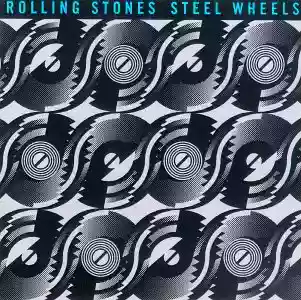
The year was 1989 and the world had strong doubts about the future of the Rolling Stones. Jagger had produced a couple of not-so-great solo albums (even though the first, "She's The Boss," had scandalously sold well) and even Keith Richards had started a sort of autonomous career with the X-Pensive Winos, sealed by a decent album called "Talk Is Cheap."
I don't want to sit here and debate whether it was the money, with the prospect of enormous earnings, or the actual desire to continue the adventure together, but this "Steel Wheels," while not being one of the Stones' best albums, is a very dignified work that shows the Stones in good form.
Moreover, and this is something I've noticed even in their less inspired albums, even here there are at least three or four tracks that "kick" like hell, and anyway, the "Rolling Stones" trademark is felt in almost the entire record. For yours truly, almost a die-hard Stones fan, it's a guarantee of quality.
Already the opening, with the classic riff of "Sad Sad Sad," is one of those tracks that makes us say: "Yes, it's really them, they're back!", "Mixed Emotions," the leading track of the album, is one of their less sneaky and more listenable commercial tracks even in the long run. "Terryfiyng" is a funky-r'n'r that shows us a rather inspired Jagger and excellent guitar inserts by Woody and Keith. To be truthful, it must be said that, exceptionally, Mick Jagger also plays guitar on this album, and even in the following tour, we sometimes see him strumming electric guitars.
Then there are the classic ballads like "Blinded By Love" and "Almost Hear You Sigh" (which in fact was the second single). The most danceable track, although this time everything remains in a strictly rock realm, is "Hearts For Sale" which is still one of the tracks from the album I most willingly listen to, with a superb guitar solo by Ronny Wood and a good performance by the rhythmic section, Keith Richards’ contribution is also good with the pure rock'n'roll of "Can't Be Seen" and especially with the enchanting final ballad "Slipping Away."
The highlight track for me is "Rock And A Hard Place," a piece with a great upbeat rhythm and sparkling guitars, a track that is pure Stones to the core. Until then it had been their only track with some vague reference to social concerns, where the five express some reservations about events like "Live Aid" or "Human Rights Now," where they doubt the real willingness of the protagonists to do charity rather than get some free publicity (oh dear, coming from the Stones, one might say "what a pulpit," but oh well...), the track is still very good and that’s enough.
There is also a curious but somewhat heavy incursion into ethnic territory with the Masters of Pan, who had already collaborated with Brian Jones in their time, with a very peculiar "Continental Drift," an excerpt of which would remain as the opening of the "Steel Wheels Tour" and the "Urban Jungle Tour" concerts (it’s the same year, 1990, but the American tour and the European tour had two different names). Finally, there's also a bit of rockabilly, albeit quirky, with "Break The Spell."
It is not an essential album in the group’s now forty-five-year career, but it's still a good record that's enjoyable to listen to, and after all, it's the only thing you can still ask of a group that has long made its history over the past thirty years. If the results were poor, one might ask them for retirement, but with albums like this one, which, I repeat, is far from being a masterpiece, they can well continue to proudly carry forward their legendary name.
Loading comments slowly
Summary by Bot
Steel Wheels, released in 1989, was a strong comeback for the Rolling Stones amid doubts about their future. Though not a masterpiece, the album features several standout tracks and showcases the band in good form. Highlights include rockers like "Sad Sad Sad" and "Rock And A Hard Place," as well as the danceable "Hearts For Sale." The album blends classic Stones energy with a touch of experimentation, making it a dignified addition to their long career.Tracklist Lyrics Videos
The Rolling Stones
English rock band formed in London in 1962. Key long-term members include Mick Jagger and Keith Richards. Known for blues-influenced rock, enduring live performances and a prolific discography.81 Reviews
