
 •
Rating:
•
Rating:
THE REVIEW
There are those who prefer live albums and those who prefer studio recordings. For the former, live performances showcase an additional component, the energy that emanates from them at the expense (often) of execution precision. For studio album enthusiasts, on the other hand, the creativity that develops within the walls of studios cannot be compared to any live performance, although it must be emphasized that performances are an obvious consequence of previously designed songs.
As far as I'm concerned, I believe that the true value of a band is demonstrated through live performances: the art of playing "historically" began in the performance of the artist in front of their audience, far from studios that could modify—and consequently falsify—their true ability. Want an example? Here you go: their Majesties the Beatles gave their best in the Apple studios after having abandoned live performances that can be euphemistically described as subpar. So, how to untie this knot? In reality, as all music teaches us, everyone has their own opinion, and everything is (more or less) subjective.
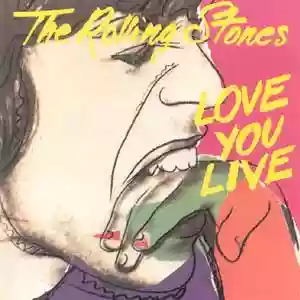
The premise was necessary to assess the first live double album in the Stones' discography. And then a question spontaneously arises: in this case, did the English group gain something from it? Well, judging by the sales of the time, it would seem so: number three on the UK charts in 1977. But our heroes have been in decline for a while, the fabulous 1966-72 series had ended long ago, Richards' usual problems don't help, Wood after the excellent '76 debut counts for little more than zero, and this inevitably reflects on the performances. So, to revive a career headed towards a slow but inexorable decline, the acclaimed J&R partnership had the idea of recording the best of concerts held between clubs and theaters, in three different cities (Los Angeles, London, and Toronto). The usual guests are present, Ian Stewart and Billy Preston, as well as Ollie Brown, but certainly, they aren't enough to elevate a general atmosphere of neglect, almost of haughty ostentation of their superiority. Despite the undeniable value of the songs and performers, the band is lackluster, led by a Jagger who tries his best, amidst mumbling and mumbling, and anyway little assisted by the others, especially Richards. They come out, piece by piece, blues classics by masters of the genre ("Little Red Rooster" by Chester A. Burnett, and "Around and Around" by Chuck Berry), and old hits ("Jumpin' Jack Flash", "Honky Tonk Women", "Brown Sugar", "Tumbling Dice"). The only highlights, "It's Only Rock 'n Roll", in which a piano worthy of the name is finally heard, and the fiery performance of "Star Star"; special mention finally for "Mannish Boy" in its wonderful reinterpretation, derived from Bo Diddley.
I would not recommend this LP to anyone looking to approach the English group for the first time, although paradoxically, my personal experience led me to act this way, until I had an almost complete discography. The Stones have done and can do much more.
Loading comments slowly
Summary by Bot
This review assesses The Rolling Stones' 1977 live double album Love You Live, praising its song selection but criticizing the band's lackluster performance amid a career decline. The reviewer values live performances as a true measure of a band's ability but finds this album uneven. Standout tracks include 'It's Only Rock 'n Roll' and 'Star Star', with generally mixed execution from the band members.Tracklist Lyrics Videos
The Rolling Stones
English rock band formed in London in 1962. Key long-term members include Mick Jagger and Keith Richards. Known for blues-influenced rock, enduring live performances and a prolific discography.81 Reviews
