
 •
Rating:
•
Rating:
THE REVIEW
Record labels have never had any scruples. If the band or artist they've produced achieves a semi-success of (almost) worldwide dimensions, a greatest hits or best of collection, call it what you want, is unavoidable. Always and in any case, even if the artist in question, apart from that semi-success, has nothing else to offer to the paying public.
Decca Record, founded in London in 1929, had a few people in its catalog, but not very famous, except for the Rolling Stones who, by the mid-Sixties, were, along with the Beatles, the most famous band on the planet. A band that, moreover, had already achieved quite a few successes, including the immortal "Satisfaction." Thus, it could no longer wait; it was time to capitalize, and so, after only six official albums (at least the first two of which packed with covers), the greatest hits was ready.
The album was released on April 2, 1966, a month before the launch of "Aftermath" (go figure).
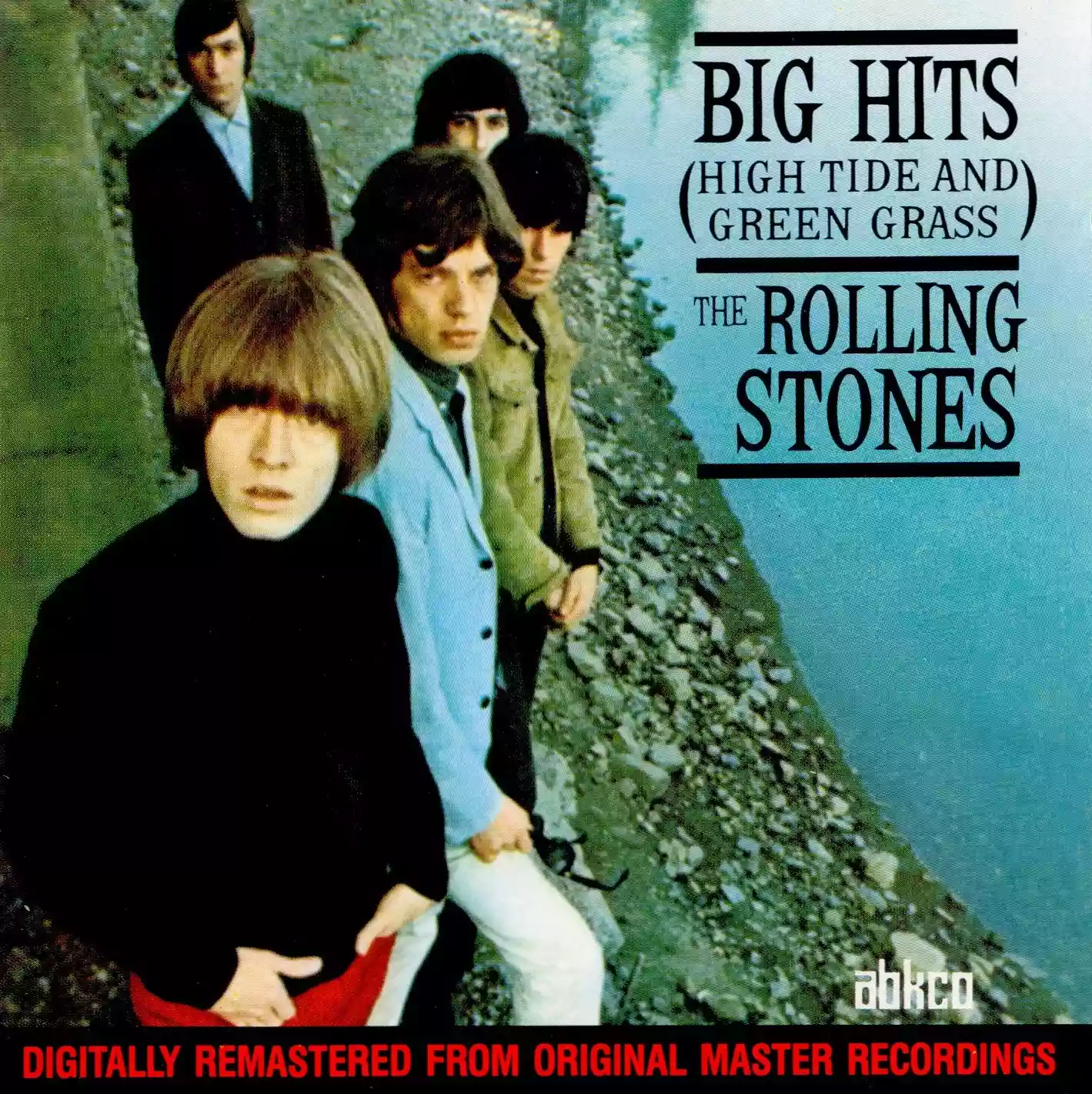
"Big Hits" contains all the best of the best of the Stones up to that period ("Satisfaction", "The last time", "Time is on my side", "Heart of stone", "Play with fire", just to name the most famous) and, like all Decca albums of the time, it was released in two different versions: first edition for the U.S. market, second edition for the UK market. The latter immediately seems decidedly better, but it's just a matter of dates. "Big Hits" in the UK was released on November 4, 1966, when "Aftermath" was already more than established, and "Paint it, black" and "Lady Jane" were added to the best of, not exactly light stuff.
The operation is evidently purely commercial, nothing more, but perhaps it had one merit: it was the first anthology to put together, on the same vinyl, all the Rolling Stones' 45 records. Today it seems obvious, back then it wasn't. In an era when iPods and mp3 players didn't exist, being able to have all the major singles of your favorite band together seemed almost avant-garde. "Big Hits" is also liked for this reason.
Naturally, the musical value in itself is indisputable, tracks like "19th Nervous Breakdown" or "Get off of my cloud" (in addition to the aforementioned ones) are not, and cannot be, even remotely questionable; they are an integral part of rock history (albeit a bit Jurassic, but ultimately, it doesn't matter).
Loading comments slowly
Summary by Bot
This review highlights the commercial nature of 'Big Hits (High Tide And Green Grass)' while praising its role as the first anthology to compile all of the Rolling Stones' major 45 singles on one vinyl. Released in 1966 by Decca Records, the album showcases timeless rock classics like 'Satisfaction' and '19th Nervous Breakdown.' The UK edition, released later in the year, improved the tracklist with additions from 'Aftermath.' Despite being a commercial move, the album's musical value is undeniable and a milestone in rock history.Tracklist Lyrics
The Rolling Stones
English rock band formed in London in 1962. Key long-term members include Mick Jagger and Keith Richards. Known for blues-influenced rock, enduring live performances and a prolific discography.81 Reviews
