
 •
Rating:
•
Rating:
THE REVIEW
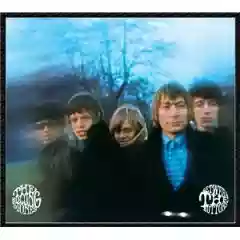
In 1966, the London group surprised almost everyone with their first album of original songs, after having previously covered many rock and blues pieces. Just one year later, the so-called "psychedelic turn" by artists like the Beatles and Dylan left a trail too deep not to be followed. And here is the "magic year," or if you will, the year of experimentation, given the work of "Their Satanic Majesties Request," which followed what feels the least like Rolling Stones among the entire discography. In fact, while "Their Satanic" symbolized a psychedelia at times even redundant, "Between The Buttons", though not overtly lysergic, still marks the beginning of this turn. The influence of the Beach Boys' "Pet Sounds," Bob Dylan, who in the same year released "Blonde On Blonde," and the aforementioned Beatles of "Revolver" is evident, and the album, the last in the discography to contain different tracks in the USA and Great Britain, is overall populated by nice but not exceptional songs. Not surprisingly, "Let's Spend The Night Together" and "Ruby Tuesday" were included, initially released as singles, at the expense of "Back Street Girl" and "Please Go Home".
The opening is entrusted as usual to a classic single - a gem that dominates the entire album; the famous piano riff by Ian Stewart takes us into a boogie of compelling effectiveness, very similar to "Sympathy For The Devil" for its instrumental composition and driving energy. The remaining compositions unfold on canons very uncharacteristic of the Rolling Stones, with piano and organ overshadowing the guitars, and the vocal part more prominent than ever. The band embarks on a journey through the experimentation of decidedly unusual genres: especially boogie-woogie and jazz ("Let's Spend The Night Together", "Something Happened To Me Yesterday", the great "Connection", and "Cool, Calm And Collected", with an unmissable vocal solo by Jagger), but also slow ballads accompanied by the organ ("Ruby Tuesday", "She Smiled Sweetly"), with Brian Jones and his indispensable sitar not missing, present throughout the album. The few rock surges are found in "All Sold Out" and "Miss Amanda Jones", but they remain the only ones: throughout the album, that jazz vein, peculiar to Jagger's blonde alter-ego, as well as Watts and Wyman (with essential support from Ian Stewart, Nicky Hopkins, and Jack Nitzsche), is fully reflected, not coincidentally the true protagonists of the work.
In short, an album for connoisseurs, we might say, perhaps the only one to deviate slightly from traditional themes. Soon, the '68 - '72 period would arrive, and that is history.
Loading comments slowly
Summary by Bot
Between The Buttons marks The Rolling Stones' subtle turn towards psychedelia with jazz and boogie influences. The album blends piano and organ-driven tracks with strong vocal highlights. Though not their most exceptional work, it features classics like 'Ruby Tuesday' and 'Let's Spend The Night Together.' This 1967 release stands as a unique and experimental moment in their discography.Tracklist Lyrics
The Rolling Stones
English rock band formed in London in 1962. Key long-term members include Mick Jagger and Keith Richards. Known for blues-influenced rock, enduring live performances and a prolific discography.81 Reviews
