
 •
Rating:
•
Rating:
THE REVIEW
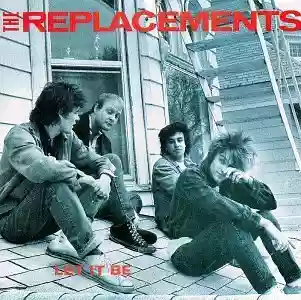
I have empathized with great records like this by becoming them in real life, practicing them in domestic niches and out in the streets, locating them in a part of my body that I have no sensitivity to but have made it a trade to suppose. In 1984, the masterpiece by the Replacements from Minneapolis was released, an indie band that started from Ramones-style punk and arrived at this exhilarating mix of Byrds, '70s hard rock, Stones, punk rage, roots influences, you can feel that genuine creative urgency typical of the highest, noblest rock outbursts that are perfect the first time. Besides being endowed with the pure splendor only great records possess, they actively contributed to opening new horizons for American rock and created a reference genre for several bands in the Nineties.
"I Will Dare" opens the album, sung melody, approximate and lively riffs, the sound is that visceral sound of the Minneapolis rock scene, like the early Soul Asylum, for example, "Favorite Thing" highlights the entire creative urgency of 80s American indie, the spark that ignites the powder of "We’re Coming Out", the angry Replacements, ultra-badass hard rock, adrenaline rushes, Westerberg's voice becomes hysterical, angry, insistent, desperate, slipping on ice, track launched like a battering ram, the guitar solo is so hysterical that it cannot resolve into rhetorical scales, see my forthcoming essay “the barriers of the eardrums of the musty”. The belligerent "Tommy Gets His Tonsils Out" is a kick in the derrière, why find increasingly strange words to look cool and intellectual when it is just a kick in the ass? Then two big ballads: "Androgynous" with Westerberg on the effect-laden piano, his conversational voice, and despite the madness-loser purges, he burps absolutely candid confessions. "Unsatisfied" brings the first tears: calibrated on high regions, moved and emotional. Perfect singing, with measured yet vibrant undulations. "Black Diamond," a Kiss cover, starts with a fatalistic arpeggio just like Westerberg's voice, only 30 seconds and then off into a mighty bridge: one of the best tracks, quintessence of every generational rock'n'roll, an introspective hybrid of anger and regret, with Westerberg and Bob Stinson interpreting it like two night wanderers. "Seen Your Video," almost entirely instrumental and an internal rollercoaster that does not resolve and sticks its ultra-saturated guitar pulsing to you, "Gary’s Got A Boner" (Gary's got a hard-on) is ragged and undisciplined punk, "Sixteen Blue," which follows, the third big ballad of the album, Byrdsian and adolescent flavors and that solo that starts in the finale, the specter of the death of youth captured in that nanosecond that you see hovering above such “sancta simplicitas” .
The last track "Answering Machine", for voice and distorted, pre-recorded guitar. In many ways, the language of early punk was a perfect synthesis of what rock music was (or was?), and after a few years, an evolution became practically inevitable. "Let It Be" celebrated, for example, American tradition with the new spirit in vogue in those cow-punk years, and it celebrated it with a truly intense mood.
Loading comments slowly
Summary by Bot
The review praises The Replacements' 1984 album Let It Be as a groundbreaking mix of punk, rock, and roots influences that set new horizons for American rock. It highlights standout tracks like "I Will Dare," "Androgynous," and "Black Diamond," emphasizing the band's raw energy and emotional depth. The album is seen as a milestone that inspired many bands in the 90s. The reviewer admires the genuine creative urgency and visceral sound characteristic of the Minneapolis scene.Tracklist Lyrics Videos
The Replacements
The Replacements are an American rock band formed in Minneapolis in 1979 by Paul Westerberg, Bob Stinson, Tommy Stinson, and Chris Mars. Evolving from punk roots into melodic alternative rock, they released influential albums including Let It Be (1984), Tim (1985), and Pleased to Meet Me (1987). They disbanded in 1991 and reunited from 2012 to 2015.09 Reviews
