
 •
Rating:
•
Rating:
THE REVIEW
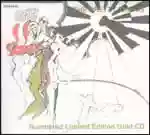
Among the unluckiest and most forgotten groups in rock history are the British Pretty Things and their album Sf Sorrow. Released in 1968, it competes for the title of the first rock opera (or concept album), a model that was later successfully adopted by other groups (Kinks, Who).
Psychedelia and good wholesome English pop dominate the album, giving rise to the most disparate and bizarre experiments without ever dismantling the 3-minute song format (except for the track "Well of Destiny"). Energetic, profound, never banal, and above all colorful, it stands as one of the best works of the '60s.
The story tells of the young Sebastian F. Sorrow, who, after the dramatic experiences of war, drugs, and the death of his girlfriend, withdraws into a grim solitude that scorns the values of contemporary society.
But let’s get to the songs. It opens with "S.F. Sorrow," a classic rock song filled with blues riffs, mellotron, and spine-tingling sixties choruses. "Bracelets of Finger" is introduced by an a cappella chorus that might be a bit too heavy, but quickly makes up for it with a powerful almost waltz like verse, then yields to a dreamy, lysergic chorus rich with Eastern atmospheres. Magnificent. It's a pity about that chorus, but no matter. It continues with "She Say Good Morning" with a heavy and festive pop singing worthy of the best Kinks and Beatles era "Day Tripper." "Private Sorrow" brings the listener back to Eastern tracks, while "Balloon Burning," "I See You," and "Old Man Going" race by in furious lysergic acid pop reminiscent somewhat of the Who but also the Rolling Stones, Pink Floyd... Then there’s "Death," a spectacular, ash-colored funeral march with absurd studio sounds, echoes, medieval rolls, and a touching and subdued lamentation that then gives way to a sitar solo. "Baroon Saturday" impresses with its rhythm and playful call-and-response voices, not forgetting the really genius overdubbed percussion tail similar to "Strawberry Fields."
"The Journey" is a lively, drugged ballad infused with joy, ending with a curious collage of previous songs... "Trust" is perhaps one of the best episodes of the album but also of English pop in general, making even the Lennon/McCartney duo envious...
We’ve reached the end of the trip, a farewell that the Pretty Things entrust to "Lonliest Person," where they put aside sitar, percussion, guitars, and choirs to deliver a timid, lacerating, and dramatic acoustic ballad, a sort of hymn to loneliness.
In the remastered version, 5 valid bonus tracks appear, including the Barrett-esque "Defecting Grey," "Mr Evasion" (which seems to come from a certain Revolver), and "Walking Through My Dreams" (again Who).
What more can be said, a masterpiece, a lost gem in the record ocean.
Oh, I almost forgot, produced by Norman Smith, the same of Piper at the Gates of Dawn by Pink Floyd.
Loading comments slowly
Summary by Bot
S.F. Sorrow by The Pretty Things is a pioneering rock opera from 1968, blending psychedelia with English pop through varied and colorful experiments. The album tells a dramatic story with compelling songs that range from bluesy rock to lysergic acid pop. Its production by Norman Smith and influence on later bands highlight its importance. A true lost masterpiece deserving more recognition.
The Pretty Things
The Pretty Things are a British rock band formed in London in 1963 by singer Phil May and guitarist Dick Taylor (an early member of the Rolling Stones). Emerging with raw R&B singles, they evolved into psychedelic pioneers with S.F. Sorrow (1968), often cited among the first rock operas, and followed with the expansive Parachute (1970).03 Reviews
