
 •
Rating:
•
Rating:
THE REVIEW
It must have been fun to live in Boston in the second half of the 80s. In the city of M.I.T., the golden decline of the Celtics of Larry Bird was on display, the last sparks in the cauldron of the old Garden after the triumphant title of 1986: yet another final with the Showtime Lakers, the brawls with the Bad Boys, the first appearances of God disguised as Michael Jordan, and rustic duels that remained indelible, like in game 7 against Atlanta in 1988, with the blond from French Lick in the role of the savior of the nation responding to the sculpted white weapon attacks of Dominique Wilkins.
And the music scene was nothing short of fertile and varied, with dozens of indie-bands born on the banks of the Charles River in the wake of the pioneers Mission of Burma: Pixies, Throwing Muses, and Galaxie 500 the most famous (not to mention Dinosaur Jr, who blossomed in nearby, Emily Dickinson-esque Amherst), making Boston the mecca of the finest college-rock. The Lemonheads were nurtured in that vein, initially offering a raw and rough hardcore mix between the power of Husker Du and the bawdy insights of the Replacements, with the bored Evan Dando in the role of a Paul Westerberg from the affluent neighborhoods; the results were brilliant, notably in "Hate your Friends" from 1987. The turning point came when co-founder Ben Deily left the group to return to University after "Lick", leaving the handsome Evan free to express his melodic side.
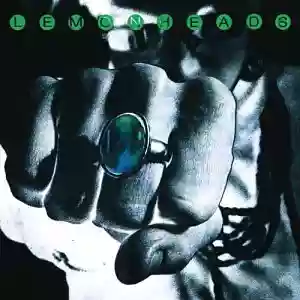
The result was in 1990 "Lovey," the first LP for the major label Atlantic, a compendium of what would soon be called indie-rock: the perfect intersection point between the harshness of the beginnings and the more sunny temptations that with the excellent "It's a Shame about Ray" and the more mannered "Come on feel" would make the handsome Dando a small star. Also a protagonist in the most glamorous chronicles and a time short-circuit with the cover of "Mrs Robinson," perfect for the politically correct goodness of the Babylonian Clinton years.
Among the most striking moments of the work in question, we cannot fail to mention the epileptic attack of "Ballarat", the emo-core forerunners of "Left for the Dead", the fractured rhythms of "Come downstairs," the gritty hard-rock pastiche of "The Door" and above all, the martial and sulfurous "Ride with me", a bow to the Neil Young who returned to scratch the six-string with Crazy Horse just that year. Dando's more epidermal side, instead, is sublimated in that authentic power-pop gem of rural hues, worthy of the great Gene Clark, which answers to the name of "Half the Time", with a skewed and sweet rhythm and an irresistible progression, or again the alluring harmonies of "Stove". All episodes that show a Dando with enormous potential as a songwriter, potential not fully exploited in the years to come (aside from the aforementioned "About Ray" and the isolated solo debut "Baby I'm Bored" in 2002) and dissipated among mediocre records, drug abuses, and silly dancer appearances - a la Mauro Repetto - in Oasis shows.
Also fundamental is the refined and soothing cover of the parsonsian "Brass Buttons" present here, which would pave the way for so much alt-country in the years to come, besides leading to the rediscovery among less traditionalist circuits of a genius like Gram Parsons. Genius like Larry Bird.
Loading comments slowly
Summary by Bot
Lovey marked a pivotal moment for The Lemonheads, blending their raw hardcore beginnings with melodic indie rock that forecasted later successes. The album highlights Evan Dando’s songwriting potential and touches on diverse styles from emo-core to power-pop. Key tracks like ‘Ballarat,’ ‘Ride with Me,’ and the alt-country cover ‘Brass Buttons’ demonstrate the band's range. Although Dando's promise was partly unrealized in later years, this album remains a key example of early '90s indie rock.
The Lemonheads
The Lemonheads are an American alternative rock band formed in Boston in 1986, fronted by singer-guitarist Evan Dando. They broke through with the 1992 album It’s a Shame About Ray and are also known for their cover of Mrs. Robinson.04 Reviews
