
 •
Rating:
•
Rating:
THE REVIEW
In 1993, in the wake of the success of the cover of “Mrs. Robinson”, which had represented the ideal link between the flower era of the late '60s and the restlessness of the infamous “X generation” so talked about at the dawn of the last decade, Evan Dando’s Lemonheads were the most famous American rock band in the world, blessed with sales even in England, hostile to flannel shirts and the many Kurt Cobain clones that popped up like mushrooms in the last spasms of Nirvana's unfortunate saga. Yet, to diminish the career of this band nurtured in the flourishing tradition of Boston's college rock scene to a mere hit slyly winking at a trendy revival is absolutely limiting and decidedly inaccurate, because it would mean turning one's back on an artistic journey that started at the end of the '80s with a handful of records mostly composed in Dando's room (former angry teenager, aspiring disillusioned and elusive poet, happily indulging in drug use), impulsive, tense, deliberately anti-commercial and deeply influenced by the cult hardcore groups at the time (Husker Du and Fugazi primarily) which nevertheless laid the foundation for what would become the very personal mood folk rock style of a record like “It’s A Shame About Ray” from 1992.
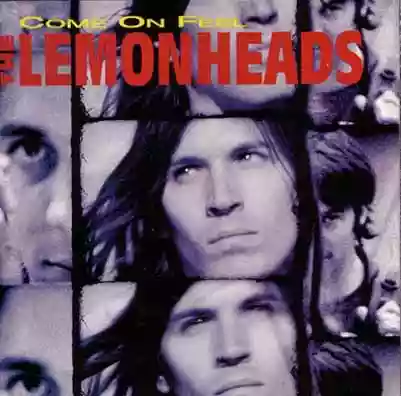
The Lemonheads, represented in “Come On Feel” essentially by Evan Dando alone and his partner Juliana Hatfield (an essential figure of American indie rock and a leading name in the entire riot girls movement with the Black Babies) reached the definitive acclaim of critics and the public without even changing much their way of composing and playing, but opening up to a more melodic and emotional style: the songs that make up this album (which even features unlikely contributions from artists as distant as Rick James and Belinda Carlisle) are typical cases where you can easily talk about “pop gems” without further violating an overused term. “Into Your Arms” (the Lemonheads' biggest hit excluding “Mrs. Robinson”), “It’s About Time”, and “Rest Assured” are three guitar pop masterpieces of innocent roughness, where the harmonies, indebted to the best Byrds and Big Star, hide the same anguished and intensely poignant mood that was proposed, in a boring and heavy way, by the grunge groups in vogue in those years. Evan Dando is the other side of Kurt Cobain: both expressed the melancholic and nervous side of adolescence with their songs, but with absolutely different compositional methods. In The Lemonheads' music, falsely sunny, happily apathetic, aggressively sweet, lies the melancholy of a thousand gloomy afternoons, of rare spring days, of winters spent at home with some friends smoking some weed, talking about some girl who is not interested and filling oneself with questions and doubts about one's present and future. The epic country of “Big Gay Heart” is almost a conceptual manifesto outlining the personality of an Evan Dando probably more than ever perfectly mastering his artistic language, able to constructively regulate a creative schizophrenia which ultimately leads him to transition, while always appearing absolutely consistent, from a “Style” tinged with punk noise rock anger to the cerebral folk of “Favorite T”, passing through the lopsided and dreamy pop of “Being Around” and the guitar rock of “Dawn Can’t Decide” to what is, along with “Confetti” and “Into Your Arms”, the melodic pinnacle of his musical adventure, the wonderful “Down About It”, a pop song soaked in frustrated nostalgia which might even suggest a cleaned-up version of the teenage outbursts of Husker Du's “Zen Arcade” if it weren’t for a chilling acoustic version (available in a special edition of the “Best Of” released a few years ago) that gives new light to the original piece, thanks also to the extraordinary performance of Juliana Hatfield, a confused and enchanting siren who surely represents one of the strengths of this album still far from an actual “rediscovery” by the new generations.
In any case, the Lemonheads certainly remain a chapter to be affectionately remembered by anyone who felt even marginally part of that “X generation” to which Evan Dando was attributed (wrongly, it could be argued, but that's how the story went) and I recommend this “forgotten” '90s album to spend a pleasant winter identifying with the bittersweet words and harmonies of a songwriter to whom many will, sooner or later, pay homage.
Loading comments slowly
Summary by Bot
The Lemonheads' 1993 album Come On Feel showcases Evan Dando's unique blend of melodic, emotional pop rock rooted in Boston's college rock tradition. Far from being just a hit-driven band, their music contrasts grunge's heaviness with sweet yet melancholic tones. Juliana Hatfield’s vocals add depth to an album filled with pop gems like 'Into Your Arms.' This work remains an underrated classic deserving rediscovery by new generations.Tracklist Lyrics Videos
The Lemonheads
The Lemonheads are an American alternative rock band formed in Boston in 1986, fronted by singer-guitarist Evan Dando. They broke through with the 1992 album It’s a Shame About Ray and are also known for their cover of Mrs. Robinson.04 Reviews
